


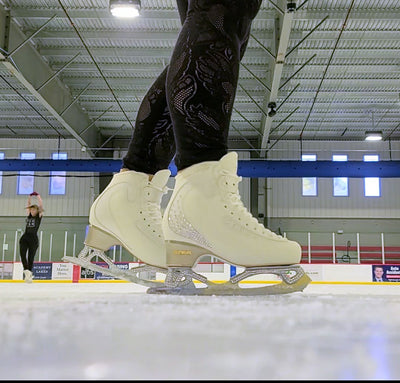

9 Signs Your Figure Skates Need Sharpening, a Repair or Replacing
Slipping edges, skidding stops, nicks, rust, loose screws, creased ankles and pain that won't settle: when to see a sharpener, a skate shop or buy new.
AST items: USPS's Christmas send-by date is Thursday, Dec. 17 for Ground Advantage.
Figure Skating Guides for Adult Skaters
Boots, blades, guards and soakers explained for adult skaters: what to buy, how it should fit and how to look after it.

Finding a rink and a class, what to wear, renting skates at first, and what your first few months on the ice look like.
Read the guide
What you need for your first few weeks, what to add once you buy skates, and what can wait.
Read the guide
Where to find a coach, what to look for in a trial lesson, and what to ask about fees before you start.
Read the guide


Free printable
Join our email list and we'll send the 37-page printable tracker straight to your inbox, with room for your practice sessions, your tests and all the little wins. You'll also get 10% off your first order of anything we make, and after that we'll only email you about new guides, new designs and sales worth knowing about.
Some links are affiliate links.


CRS Cross Padded Figure Skating Shorts
Nine EVA foam pads


CRS Cross Ankle Malleolar Gel Sleeves - Premium Ankle Padded Skate Sock
Ankle gel sleeves


CRS Cross Figure Skate Socks (2 Pair) - Knee High Tights For Skating
Microfiber, spandex


CRS Cross Boot Bumper Gel Pad Sleeve - Protection of Achilles Tendon & Lace Bite
Lace bite gel sleeve
12guides
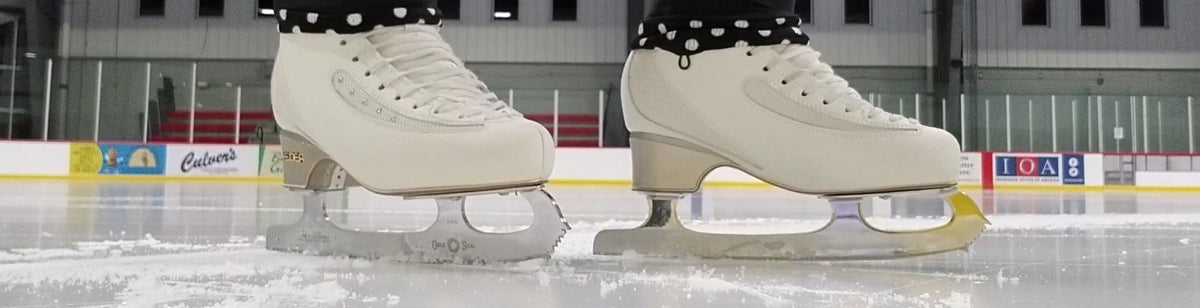
Slipping edges, skidding stops, nicks, rust, loose screws, creased ankles and pain that won't settle: when to see a sharpener, a skate shop or buy new.

Thin layers, the right socks, gloves, boot covers, leg warmers and a proper warm-up: how adult skaters stay warm enough to skate well at a cold rink.

Wear warm, stretchy layers you can move in, one pair of thin socks that come up above the boot, and gloves every time you skate. A helmet is a good idea while you're learning, and the jeans can stay at...

Used figure skates can save you money if the boots still support you, the blades have life left and the pair fits your feet. Here's how to check.

Hard guards protect your edges while you walk, and soakers go on once your blades are dry, for the bag. Never store skates in hard guards, and take the soakers off at home so the blades can finish drying.

What to wear and bring for your first sessions, which padding is worth having, when to buy your own skates, and what can wait.

Fit matters more than brand for your first figure skates, so we explain stiffness and compare picks from five brands.

Dry your blades after every session, put soakers on for the bag, and let everything dry at home away from heat. Every so often check the screws, edges, laces and boots, and know when to hand your skates to a...

Board spinners like the Spinboard and the EDEA spinner feel the most like real ice, while a fixed platform such as Jerry's Metal Spinner is better for speed and posture. We compare the main types, from foot disks to elite...

Most adults do well on a stock blade for basic skills and an intermediate blade such as the Coronation Ace or MK Professional once they start single jumps. We explain rocker, toe pick and hollow, compare the main brands and...

The right boots for an adult are the ones that fit your foot and suit your level, rather than the stiffest pair on the wall. We cover stiffness ratings, common fit problems, heat molding and break-in, and the buying mistakes...

A plain-English glossary of figure skating gear: the parts of the boot and blade, fit and break-in words, blade specs like rocker and hollow, mounting and sharpening, and what goes in your skating bag.
No. Adults start figure skating at every age, from their 20s to their 70s and beyond, and many rinks run classes just for adults. Your body can still learn new skills and build strength and coordination at any age, and the adult skating crowd is a friendly one to join.
To start, you only need a pair of figure skates and comfortable athletic clothes, and most rinks rent skates, so you don't have to buy your own right away. Once you know you're sticking with it, boots and blades that fit properly make skating more comfortable and help you progress. For your first pair, we'd suggest getting fitted at a pro shop rather than buying online.
Most adult skaters see steady improvement once they're skating a few times a week. Skating regularly matters more than skating for hours, and a shorter session of focused practice does more than a long one without a plan. Many coaches suggest adding off-ice exercises for flexibility, strength and jump technique, and building up gradually so your body keeps up.
Yes. U.S. Figure Skating holds three adult sectional championships and the U.S. Adult Figure Skating Championships every year, with singles events from adult pre-bronze up to the masters levels. ISI (Ice Sports Industry) runs competitions too, and newer skaters often find them a friendly place to start. You never have to compete, but plenty of adult skaters find that having an event on the calendar keeps them going.
Start by calling your local ice rink and asking about their Learn to Skate program. Most offer group classes just for adults. You can also search the Learn to Skate USA directory or check with your regional U.S. Figure Skating club. Many coaches offer private lessons for adults too, and most are glad to hear from an adult who wants to learn.
ISI (Ice Sports Industry) and USFS (U.S. Figure Skating) are two different organizations with their own testing and level structures. ISI levels go from Pre-Alpha through Delta and then Freestyle 1-10, and tend to be more recreational-focused. U.S. Figure Skating's standard tests now run from Pre-Preliminary to Gold, and adults have their own test track from Adult Pre-Bronze up. Its competitions still use levels from Pre-Preliminary to Senior. Many adult skaters test through both systems. Our terminology guides break down each system in detail.
Falling is a normal part of learning to skate, and most falls end in nothing worse than a bruise. Protective gear like wrist guards, knee pads and a helmet can make you feel more confident and lower the risk of getting hurt, especially while you're starting out. A good coach teaches you how to fall safely early on, and the fear usually eases as you get steadier.
Sticker packs
Mix any designs you like. Three stickers get 18% off, five get 25% and ten get 32%.


