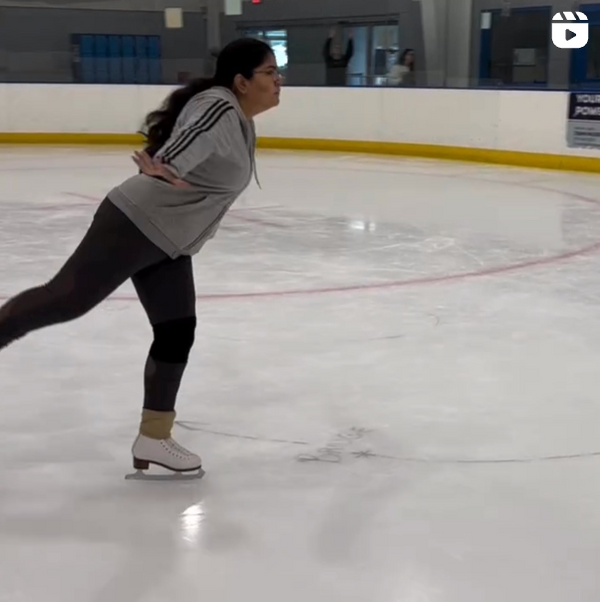

For your first time on the ice, wear warm, stretchy layers you can bend your knees in, like leggings or athletic pants, a fitted long-sleeved top and a light jacket you can take off. Add one pair of thin socks that come up above the boot, and gloves every time you skate. Leave the jeans and scarves at home, and wear a helmet while you're learning.
Key takeaways
- Dress in thin layers you can add and take off. Rinks feel cold when you stand still and warm once you're moving.
- Stretchy pants, a fitted long-sleeved top and a light jacket work well. Jeans are stiff, and they get cold and heavy once they're wet.
- Wear one pair of thin socks that come up above the top of the boot, and gloves every single time.
- A helmet is a good idea while you're learning, and padded shorts or knee pads under your leggings are completely normal.
Working out what to wear for your first time on the ice is one of those small worries that can feel bigger than it is. You probably own most of what you need already. Rinks are cold and you'll sit down on the ice now and then, so the aim is clothes that keep you warm and let you move.
This guide covers what to wear for a first lesson or a public session, what to leave at home, and how your clothes change once you're skating every week. If your first class is coming up, our first lesson checklist covers everything else to sort out before you go.
How cold the rink feels
Rinks are kept cold so the ice stays hard, and the air near the ice feels chilly even on a hot day. Once you start moving, though, you warm up quickly, and then you cool down just as fast when you stop to listen to your instructor or catch your breath. That's why a few thin layers work better than one big coat.

Dress the way you would for a workout on a cool day, not for building a snowman. A fitted top, a warm middle layer and a light jacket you can unzip give you plenty of options. It's easier to take a layer off than to wish you'd brought one, so bring the jacket even if it ends up on the bench.
A first-session outfit, top to toe
Athletic clothes you'd wear for a run or a gym class on a cool day are ideal, and plenty of adults show up to their first lesson in exactly that. The table goes from top to toe. Nothing in it needs to be made for skating.

| What | What works | Why |
|---|---|---|
| Top | A fitted long-sleeved top, ideally a sweat-wicking athletic one | Long sleeves protect your arms when you fall, and a fitted top doesn't get in the way. |
| Middle layer | A light fleece, zip-up or sweater | Easy to take off once you warm up and put back on when you stop. |
| Pants | Leggings, yoga pants or athletic pants with some stretch | You'll bend your knees a lot, and stretchy fabric moves with you. |
| Socks | One pair of thin socks that come up above the top of the boot | Thick or doubled socks change how the skate fits, and short socks let the boot rub. |
| Hands | Gloves, any warm pair | Your hands touch the ice every time you fall or get up. |
| Head | A helmet while you're learning, and long hair tied back | A helmet matters most on backward falls. Loose hair gets in your eyes. |
Fit matters more than fashion here. Very baggy clothes can catch, flap about or hide a wobbly knee from your instructor, and anything tight around the knees makes it hard to bend. Your pants should meet your socks without bunching up inside the boot.
Sweat-wicking athletic fabric is more comfortable than cotton, which soaks up sweat and then feels cold once you stop moving. It doesn't need to be anything special, though. If all you have is a soft pair of joggers and a long-sleeved T-shirt, that's fine for a first try.
What to leave at home
A few things make skating harder, and they're easy to leave behind. Jeans are the big one, because they're stiff, they don't let you bend your knees, and they get cold and heavy once you've sat down on the ice a few times. A heavy winter coat is too warm once you're moving and makes it hard to use your arms for balance.
Skip scarves and anything long or dangly, which can catch or get in your way, and leave chunky jewelry at home. Shorts and short sleeves leave bare skin to meet the ice when you fall, which stings. Snow pants will do in a pinch, but they're bulky, and athletic pants are much easier to skate in.
Socks, tights and your skates
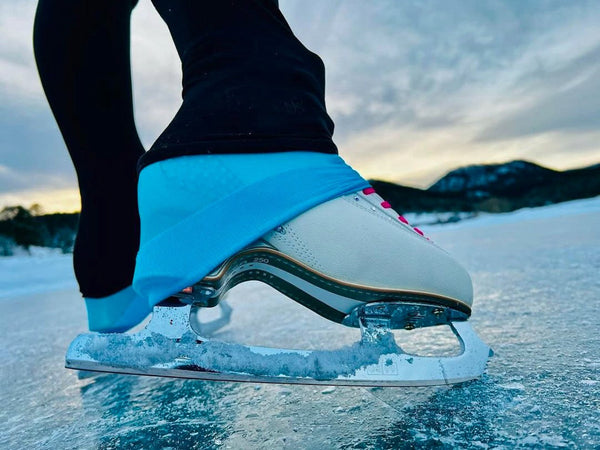
Socks deserve a little thought, because they change how your skates fit. Wear one pair of thin socks that come up higher than the top of the boot, so the boot doesn't rub on bare skin. Thick socks, or two pairs, take up room the boot needs to hold your foot, and they can bunch into sore spots.
If you're renting, the same rule applies. If a rental skate pinches or your heel lifts, ask for a different pair rather than adding socks to fill the gap. If your feet run cold, thin wool or synthetic socks are warmer than thin cotton ones.
Once you have your own skates, wear the same socks or tights you were fitted in, and our fitting guide explains why. Many figure skaters end up in skating tights, either footed tights under the boot or over-the-boot tights that cover the top of the skate. Neither is needed for a first lesson.
Gloves, helmets and padding
Gloves are the one thing not to forget. Your hands will touch the ice when you fall and when you get up, and other skaters' blades are sharp. Any warm pair that lets you grip the boards is fine for your first few sessions, and if you'd like a pair made for skating, we carry CRS Cross padded skating gloves.
A helmet is a good idea while you're learning, adults included, and it matters most on backward falls. U.S. Figure Skating recommends helmets for beginners of all ages, and Learn to Skate programs usually suggest a hockey or multi-sport helmet. It should sit level and snug, with the chin strap buckled. Some rinks have their own helmet rules for classes, so ask yours.
Padded shorts or knee pads under your leggings take the sting out of falls, and nobody at the rink will think twice about them. Thin, flexible pads fit under your clothes better than bulky ones. If you'd like padded shorts made for skating, we carry CRS Cross padded skating shorts.
Wrist guards can be a backup while you learn, but they don't replace keeping your hands in when you fall. Our guide to falling safely shows you how to land, and it's worth reading before your first session.
Dressing for regular practice
Once you're skating every week, your clothes start to matter in a slightly different way. Fitted layers let your coach see your knees, hips and posture, which helps them spot what to work on. Many skaters settle on skating leggings or athletic pants, a fitted long-sleeved top and a zip-up they take on and off through the session.

Before you step on, try a quick squat and reach your arms overhead in everything you're wearing. If anything pinches, rides up or flaps about, swap it before it bothers you halfway through a session. Keep long hair tied back with soft hair ties, and avoid clips or pins that could fall onto the ice.
Some skaters like a practice dress or skirt, often for run-throughs of a program, and plenty never wear one. Wear whatever helps you feel like a skater. Our skating bag checklist covers the spare layers, gloves and everything else worth keeping with you at the rink.
Tests and competitions
Test and competition outfits are their own topic, with skating dresses or fitted pants, skating tights and hair that survives a spin. Our page on preparing for your first adult competition covers what to wear on the day and what to check before you skate in it. For a test, ask your coach what skaters at your club usually wear.
Every rink is a little different, and some have their own rules on helmets or clothing for classes. If you're not sure, ask at the front desk. Then go and enjoy the ice.
Sources
The advice here comes from adult skaters' experience and the beginner guidance below, and it matches our guides to your first lesson and to falling safely. Rinks set their own rules, so check with yours.
- U.S. Figure Skating, Let's Get Started (beginner brochure): helmets recommended for beginner skaters of all ages.
- Learn to Skate USA first-day and helmet materials, as published by member rinks: warm, comfortable layers, gloves or mittens, a hockey or multi-sport helmet for beginners, and thin socks that come up above the top of the skate.