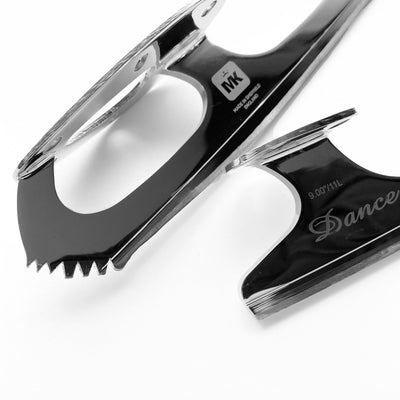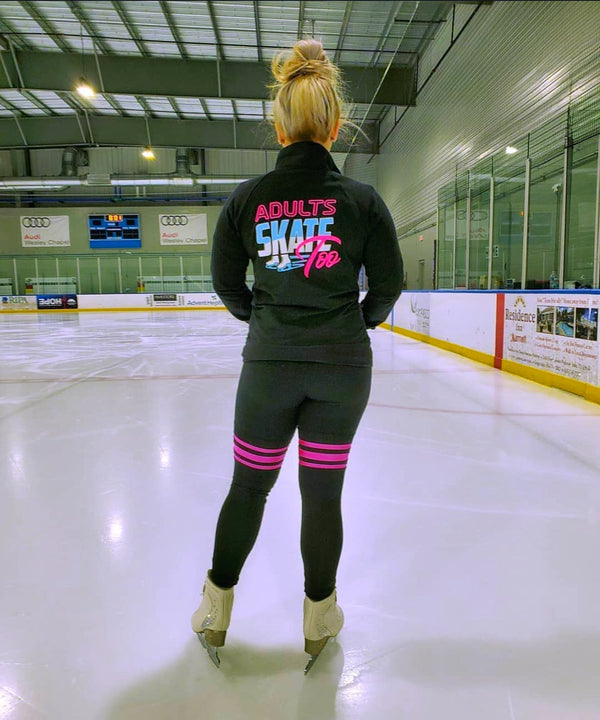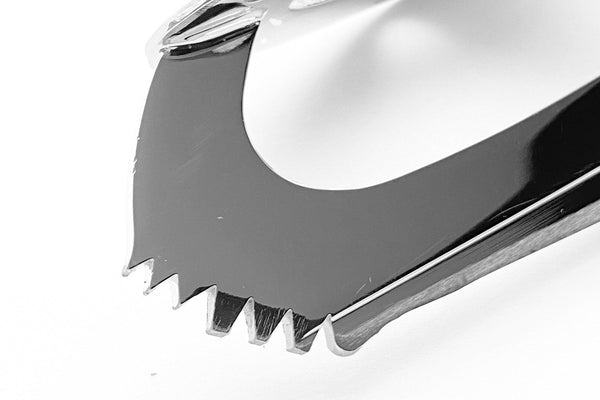

Hard guards and soakers do two different jobs. Hard guards protect your edges while you walk to and from the ice, and soakers go on once you've dried your blades, to soak up what's left and protect the edges in your bag. Never store skates in hard guards, because they trap moisture against the steel, and take the soakers off at home so the blades can finish drying.
Key takeaways
- Hard guards are for walking. Put them on as soon as you step off the ice and take them off right before you step back on.
- Dry your blades with a towel, then put soakers on before the skates go in your bag.
- Never store skates in hard guards. They trap moisture against the steel, which is how rust starts.
- At home, take the skates out of the bag and slip the soakers off so the blades can finish drying.
- Never walk in soakers, and never step onto the ice with your guards still on.
Guards and soakers look like two versions of the same thing, and plenty of new skaters use them the wrong way around for a while. They aren't interchangeable. One protects your edges from the floor, the other protects your blades from moisture, and you need both once you own skates.
If you're still on rental skates, the rink looks after the blades, so you don't need either yet. Come back to this page when you buy your own pair.
What hard guards are for
Hard guards are plastic or rubber covers that clip over the blade so you can walk on floors that would nick or dull the edge, like concrete, tile and anything outdoors. Wear them whenever you walk anywhere other than the rink's rubber flooring, and watch for grit even there. Most skaters put them on as soon as they step off the ice and take them off right before they step back on.

Guards are for walking, not for skating or storage. Never step onto the ice with them on, because they have no grip on ice and it's a classic way to fall. Once you've stopped walking, take them off, since water and grit collect inside a guard and sit right against the steel.
Tip the water out of your guards after each session and let them dry at home too. Check inside them for grit or bits of debris before you put them on. A cracked guard, or one with a sole that's worn through, doesn't protect much, so replace it.
What soakers are for
Soakers are soft fabric covers, usually terry cloth, microfiber or fleece, that go over your blades once you've dried them. They soak up the moisture a towel leaves behind, including the condensation that forms as cold blades warm up. They also stop the edges knocking against each other or anything else in your bag.
Soakers can't cope with a wet blade, though, so they don't replace the towel. Dry the blades first, including the sides and around the screws, then put the soakers on. Never walk in soakers, even for a few steps. They have no grip, and they do nothing to protect the edge from a hard floor.
Wash your soakers and your towel now and then, and let them dry fully before you use them again. A damp soaker holds water against the blade, which defeats the point. Some skaters keep a spare pair so there's always a dry one in the bag.


Your water bottle is looking a bit bare
Holographic skating stickers, kiss-cut and water-resistant. Pick three and the price drops on its own.
Build a bundleGuards and soakers side by side
The short version is guards for walking, soakers for the bag. Getting it the wrong way around is how skaters end up with rusty blades or nicked edges, and a chipped or badly rusted edge means a trip to your sharpener.
| Hard guards | Soakers | |
|---|---|---|
| Made of | Hard plastic or rubber | Soft, absorbent fabric |
| Their job | Protecting the edges from floors while you walk | Soaking up leftover moisture and protecting the edges in your bag |
| When they go on | As soon as you step off the ice | Once the blades are dry, before the skates go in the bag |
| When they come off | Right before you step onto the ice, and before the skates go in the bag | At home, so the blades can finish drying in the air |
| Never | Store skates in them, or step onto the ice in them | Walk in them, or put them on wet blades |
The after-skating routine
The routine takes a couple of minutes once it's a habit, and it does more for your blades than anything else you do off the ice. Put your hard guards on as you step off the ice and walk to the bench. Once you sit down, take them off and dry each blade with your towel, including the sides, the toe pick and around the screws.
Then put the soakers on and pack the skates so the blades can't knock together or rattle around loose. Tip any water out of the guards and keep them in the same pocket every time, so you're not hunting for them next session. At home, take the skates out of the bag, slip the soakers off so the blades can finish drying, and hang the towel and soakers up to dry.
The bit at home is the one people skip. Cold blades pick up condensation as they warm up, and a soaker that has done its job is damp by the time you get home. Leaving skates zipped in a bag overnight is how rust and that famous skate-bag smell get started.
Our skating bag checklist covers packing the rest of your gear, and Skate Care 101 covers the boots as well as the blades. If your edges already feel slippery, our guide to when to sharpen your skates explains what to look for.
Easy mistakes to avoid
Storing skates in hard guards is the big one. It feels protective, but the guard holds water against the steel, and that's how rust spots start along the edge. Guards come off before the skates go in the bag, every time.
Putting soakers straight onto wet blades comes a close second. The soaker gets soaked and then sits against the steel all the way home, so towel off first. Walking in soakers and stepping onto the ice with guards still on are the other two to watch, and both can end in a fall as well as a damaged blade.
Watch out for loose guards, too. A guard that pops off as you walk puts your edge straight onto the floor, and one that wobbles can trip you up. If yours twist or slide around, adjust them or get a pair that fits better.
At the boards, keep your guards where they can't get knocked onto the ice, because a guard on the ice can catch someone's blade. Our page on rink etiquette covers that and the other unwritten rules at the door.
Choosing guards and soakers
Guards need to fit your blade. Some come in sizes, and others adjust with springs or screws so one pair fits a range of blade lengths, though some need trimming to length when you first set them up. A good fit holds the whole blade snugly, toe pick included, without twisting when you rock the skate from side to side. Some guards have a grippier sole, which helps on slippery lobby floors.
Soakers come in sizes based on your boot or blade size. Look for a pair that covers the whole blade without slipping off, and in a fabric you can wash easily. Fun prints are very much allowed.
If you need all three, we carry a CRS Cross guards, soakers and towel set. Its guards adjust with springs and may need trimming to fit your blades, and the soakers come in sizes by boot size, so check the size chart before you order.
This is general advice from adult skaters. Your sharpener and your skate shop see your blades up close, so if their advice differs from this page, go with theirs.
Sources
The routine here matches our sharpening and skating bag guides, and the details come from the blade care advice below. Your sharpener knows your blades best, so ask them if anything here doesn't suit your skates.
- Riedell Skates blog, How to Take Care of Your Figure Skate Blades (for Beginners): guards on as soon as you leave the ice or rubber flooring, sand and dirt on rubber floors, and soakers to draw off moisture and protect the edges in the bag.
- Fred Bartick, Proper Blade Care Tips (iCoachSkating): guards collect moisture, dirt and grit, so wear them only to walk, and take the soakers off at home so the blades can dry.
- CRS Cross, Skate Guards, Soakers and Towel Gift Set product description: never store blades in hard guards, dry them with the towel and store them in soakers, and spring guards that may need cutting to fit.