
For a practice session, pack your skates with hard guards and soakers, a towel for your blades, gloves, a warm layer, water, a snack, spare laces and blister pads. Add your music on your phone if you'll play it on freestyle. Before your skates go back in the bag, dry the blades and swap the guards for soakers, then take the skates out to air when you get home.
Key takeaways
- Skates, hard guards, soakers and a towel go in every time. Most of the rest is there to keep you warm and comfortable.
- Hard guards are for walking. Dry your blades and put soakers on before the skates go in the bag, because hard guards trap moisture and cause rust.
- For a test or competition, pack the night before, add your outfit and a spare pair of tights, and bring a backup copy of your music.
- Take your skates out of the bag when you get home so they can air out, and don't leave them in a hot car.
Most skaters can tell you about the day they got to the rink and realized something was missing. Usually it's gloves or a hair tie, sometimes it's a soaker that went for a wander, and once in a while it's the skates. Packing your bag the same way every time makes those days a lot rarer.
This page covers what to bring to practice, to lessons and to a test or competition, and how to keep your blades dry between sessions. You don't need much to start, and you don't need a special bag. A gym bag or a backpack works fine while you figure out what you actually use.
What to pack for a practice session
The core of your bag is the same for every session: your skates, hard guards for the walk to the ice, soakers for afterward and a small towel to dry your blades. Everything else is about comfort. Rinks are cold, and you'll warm up quickly once you're moving, then cool down just as fast when you stop to watch someone or listen to your coach.

| What to pack | Why it's in the bag |
|---|---|
| Skates, hard guards and soakers | Guards protect your blades on the walk to the ice. Soakers go on afterward, once the blades are dry. |
| A small towel | For drying your blades, including the sides and around the screws, before the soakers go on. |
| Gloves | Warm hands, and protection from scrapes and other skaters' blades if you fall. |
| A warm layer | A light jacket or fleece you can take off as you warm up and put back on when you stop. |
| Water and a snack | Skating is harder work than it looks, and a snack helps if you're coming straight from work. |
| Spare laces | Laces fray and snap, and a broken one can end your session early. |
| Blister pads and bandages | Cover a hot spot as soon as you feel it, before it turns into a blister. |
| Tissues, lip balm and hair ties | Cold rink air gives a lot of people a runny nose and dry lips, and hair ties keep long hair out of your face. |
| Your phone | For your program music on freestyle, filming your own skating where the rink allows it, and getting home. |
If you're still renting skates, you can leave the guards, soakers and towel out for now, because the rink looks after rental blades. Gloves and a warm layer matter from your very first session. Our guide to what to wear ice skating covers clothes in more detail.
Packing for lessons
A lesson needs the same bag as a practice session, plus something to note down what your coach tells you. A small notebook or the notes app on your phone both work, as long as you write it up straight after the lesson while you still remember. If you like having goals to work toward, the free goals tracker in the signup below this guide is made for that.
Get there early enough to lace up and warm up before the lesson starts, so your lesson time goes on skating. If your coach has asked you to bring something, like your program music, pack it the night before. Heading to your very first class? Our first lesson checklist covers what else to sort out beforehand.
Packing for a test or competition day
Test and competition days are when a forgotten item hurts most, so pack the night before and check the bag again in the morning. On top of your usual kit, bring the outfit you're testing or competing in, a spare pair of tights in case one gets a run, and whatever you need to keep your hair up. Pack warm clothes to wear over your outfit, too, because there's usually some waiting around.
If you're skating to music, the competition announcement will tell you how and when to send it, and it's worth bringing a backup copy on the day as well. Read the announcement for anything else you need to bring, and pack food and water, because these days can run long. If your blades are due a sharpening, have it done early enough to get a few practice sessions on the new edges first.
Our page on preparing for your first adult competition walks through the day itself, and our guide to U.S. Figure Skating tests for adults explains how tests work. It's also worth asking your coach what they like their skaters to bring. They've been to plenty of test sessions and competitions, and they'll know what tends to get forgotten.
Keeping your blades dry in the bag
How you pack your skates matters as much as what you pack. Hard guards are for walking, and they go on as soon as you step off the ice. Before the skates go in your bag, take the guards off, dry the blades properly with your towel and put soakers on instead. Hard guards trap moisture against the steel, which is how rust starts.
Soakers soak up what's left after a good wipe, but they can't cope with a wet blade, so don't skip the towel. Pack your skates so the blades can't knock together or rattle around loose. Our sharpening guide covers the rest of the routine for keeping your edges sharp longer, and our article on guards and soakers explains the difference between the two.
If you need all three, we carry a CRS Cross guards, soakers and towel set. Whatever you use, keep the guards and soakers in the same pocket every time, so you're not hunting for them at the door with wet blades.
Choosing a skating bag
You don't need a special bag to start. A gym bag or backpack works, as long as your skates fit comfortably and the bag isn't sealed tight, because damp skates need some air. If you're skating a lot, a skate bag or backpack with its own ventilated pocket for skates keeps them away from your clothes and your lunch.

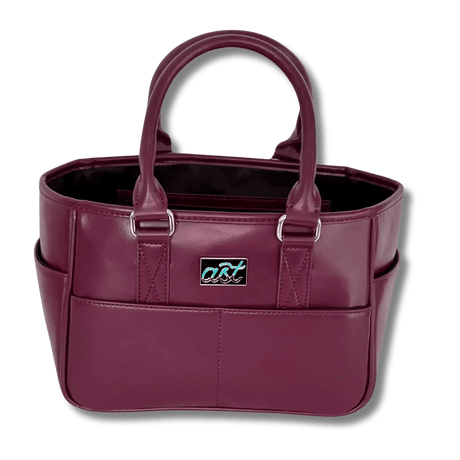
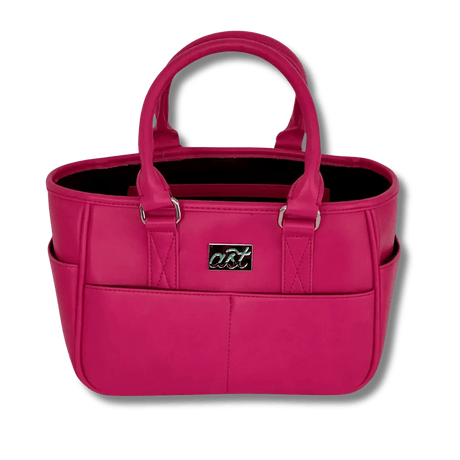
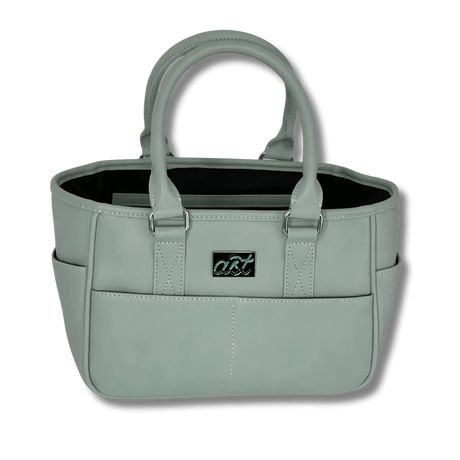
A lot of skaters also keep a small tote by the boards for the things they reach for during a session, like gloves, tissues, water and a phone. Our own Rink Side Tote was designed by adult skaters for exactly that. It stands up on its own, has inner pockets for small things and is sized to sit by the boards. It isn't made to carry skates, so it goes alongside your skate bag rather than replacing it.
If you need something bigger for the skates themselves, like a rolling bag or a skate backpack, we've put together a Skate Bags and Packing list on our Amazon storefront, along with a garment bag for competition dresses and a few small packing helpers.
Heads up: this guide contains an Amazon affiliate link. If you buy through it, Adults Skate Too earns a small commission at no extra cost to you. Details.
Between sessions: home, the car and restocking
When you get home, take your skates out of the bag so they can air out, and slip the soakers off so the blades can finish drying. Hang your towel up to dry, and wash your soakers and towel now and then. Leaving damp skates zipped in a bag overnight is how rust and that famous skate-bag smell get started.
Don't leave your skates in a hot car. Heat isn't good for boots, many of which are made to soften and reshape when they're heated, or for the glue that holds them together. A freezing car isn't much better, because nothing makes a cold morning worse than stiff, icy boots. Bring the bag inside with you, which also keeps it away from anyone eyeing up a parked car.
Every so often, empty the bag completely, restock your blister pads and tissues, throw out old snacks and check your laces for fraying. It's a good moment to look over your blades for nicks or rust too. If your coach suggests carrying a small screwdriver for loose blade screws, keep one in the bag, and have a skate shop look at any screw that keeps working loose.
This is general advice from adult skaters. Your coach and your skate shop know your skates and your rink, so if their advice differs from this page, go with theirs.