
For most adults starting out, complete skates are the better buy: the boot comes with a blade already mounted, it costs less, and the stock blade is fine for basic skills and early jumps. Buying the boot and blade separately starts to make sense once you're working on harder jumps, need a boot that's only sold on its own, or want a better blade than a set comes with.
Key takeaways
- Complete skates, also called sets, run from $165 to just over $500 at the makers' list prices and are ready to skate once the blades are sharpened, which suits most adults in group classes and early lessons.
- Separate boots and blades cost more, since Riedell's list prices for its boots alone run from $449 to $989 before a blade is added, and they make sense when your skating or your feet call for them.
- Fit matters more than which way you buy, so get fitted in person if you can.
Shop for figure skates and you'll find two ways to buy them. Some come as a set, with the blade already mounted on the boot. Others are sold as a boot on its own, so you choose a blade separately and have a technician mount it. Both are good options, and the right one depends mostly on what you're skating now and what you're working toward.
This page covers what each costs, how they compare and which suits which kind of skater, plus how mounting works and when it makes sense to put a better blade on a set. For specific models, our guide to the best figure skates for adult beginners has picks at every level.
What's the difference?
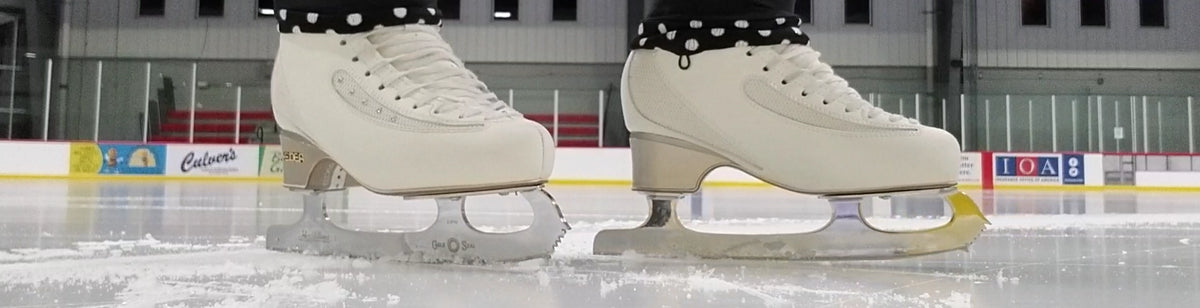
Complete skates, also called skate sets, are a boot sold with a blade the maker has already mounted. Most beginner and lower intermediate skates come this way, like the Riedell Ruby and Topaz (with Luna and Capri blades), the Jackson Artiste and the Jackson Freestyle Fusion. The maker picks a blade that suits the boot's level, so there's nothing to match up yourself.

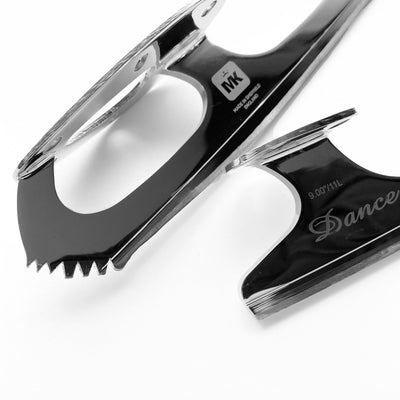
Separate boots and blades means buying the boot on its own, choosing a blade and having a skate technician mount it. Many intermediate and advanced boots are sold this way, and Riedell, for example, sells its boots on their own from the 223 Stride up as well as in sets. In return, you can pair the boot that fits your foot with the blade that suits your skating.
What each option costs
Complete skates for adults run from $165, Riedell's list price for a Ruby, to just over $500 for a men's Jackson Freestyle Fusion at Jackson's list price. Going separate, you pay for the boot, the blade and the mounting. Riedell's list prices for its boots alone run from $449 to $989, and the blades most adults move up to, the John Wilson Coronation Ace and MK Professional, come on top of that.
| Skate, boot or blade | Sold as | List price |
|---|---|---|
| Riedell Ruby | Set (Luna blade) | $165 (Riedell list price) |
| Riedell Topaz | Set (Capri blade) | $219 (Riedell list price) |
| Jackson Artiste | Set | from $269.95 (Jackson list price) |
| Jackson Elle Fusion | Set | from $429.95 (Jackson list price) |
| Jackson Freestyle Fusion | Set | from $469.95 (Jackson list price) |
| Riedell boots (Lyra to 975 Instructor) | Boot | $449 to $989 (Riedell list price) |
Even the lowest of those boot prices is more than four of the five sets above cost, and a blade and mounting still come on top, so going separate only pays off when you'll use what it gives you. Prices change by retailer and season, so treat these as a guide, and for the rest of what skating costs, see the real cost of adult figure skating.
Does separate work out cheaper over time?
You'll sometimes read that separate boots and blades save money over time, because a good blade can move to your next boots. That can happen, but it isn't guaranteed, since it depends on how worn the blade is and whether it lines up with the new boot. For most adults, a set is the cheaper way to start, and separate gear is worth it for the support and the blade, not to save money.


Your water bottle is looking a bit bare
Holographic skating stickers, kiss-cut and water-resistant. Pick three and the price drops on its own.
Build a bundleHow they compare
The table sums up the main differences. Neither option is better across the board, and plenty of adults skate happily in a set for years. The question is whether your skating, or your feet, need something a set can't give you.
| Complete skates | Separate boots and blades | |
|---|---|---|
| Typical cost | $165 to just over $500 at list price | From $449 for a Riedell boot, plus a blade and mounting |
| Ready to skate | Once the blades are sharpened | After mounting and sharpening |
| Blade | Chosen by the maker to suit the boot | Your choice |
| Boot choice | Mostly beginner to lower intermediate models | Every level |
| Best for | Basic skills through single jumps | The axel and doubles, competing, hard-to-fit feet |
| Trade-off | The stock blade can hold you back at higher levels | Costs more and means more decisions |
The biggest practical difference is the blade. Stock blades on sets are fine for basic skills, spins and small jumps. Once you're working on the axel and doubles, an intermediate blade, with a bigger toe pick for takeoffs and steel that holds an edge longer, starts to matter, and that's usually when adults look at separate gear.
Which one suits you
Your level, how often you skate and the shape of your feet decide this more than your budget does. Here's how it usually works out for adults. If you have a coach, ask them too, because they can see what your skates are doing for you on the ice.
Starting out or skating for fun
If you're in group lessons, skating public sessions or working through basic skills, a set is the better buy. A beginner set from a figure skating brand lists at $165 to about $280 and gives an adult enough support, while separate gear at this stage mostly pays for performance you can't use yet. Spend at least $150, because cheaper skates rarely support an adult, and our recreational picks are good places to start.
Taking lessons and learning single jumps
Sets go further than many people expect. Stiffer sets like the Jackson Freestyle Fusion and Riedell 223 Stride are built for adults learning jumps, and the Freestyle supports single jumps up to the axel. Our picks for adults learning jumps compares them, and the boot match quiz can help you narrow it down.
Working on the axel or doubles, or competing
This is where separate boots and blades usually make sense. You'll want a stiffer boot, and most boots at that level are only sold on their own. Most progressing adults pair it with a Coronation Ace or MK Professional, and our blade guide explains how to choose. Advanced blades are worth it only once you're training doubles regularly, and our reviews of the Pattern 99 and Gold Seal look at two of the best known.
Hard-to-fit feet
If no set fits you well, going separate opens up many more boots and brands. Our boot guide covers how each brand fits and what to do about bunions, high arches and narrow heels.
Putting a better blade on a set
If your set still fits and supports you but the blade is holding you back, you can have the stock blade taken off and a better one mounted. It costs less than a whole new setup, because you pay for the blade and the mounting but not a new boot. Ask a skate technician first, because they can tell you whether your boot will take the new blade.

It works best when the boot is in good shape and stiff enough for what you're working on. It isn't worth doing if the boot is too soft, worn out or doesn't fit, or if you're working on elements that need a stiffer boot. As our blade guide puts it, a high-level blade on a soft boot is overkill, because the boot can't give the ankle support the blade assumes.
How blade mounting works
Mounting means fixing the blade to the sole and heel of the boot with screws. Where the blade sits under your foot affects your balance on every edge, so it's a job for a skate technician at a skate shop or your rink's pro shop, not something to try at home. Some shops start with a temporary mount, using only a few screws, so you can skate on it and have the position adjusted before it's fixed in place.
What mounting costs and how long it takes depend on the shop, so ask when you drop your skates off, especially if you have a test or competition coming up. New blades usually need sharpening before you skate on them, and our guide to when to sharpen your skates has more.
If you're replacing your boots and want to keep your blades, ask the technician whether they can be safely remounted. It depends on how worn the blades are and whether they line up with the new boot's sole and heel. Sometimes new blades are the better buy.
Whatever you choose, fit comes first
A set that fits well will serve you better than an expensive boot that hurts, so get fitted in person if you can. Skate sizes usually run smaller than street shoes and vary by maker, and many shops offer virtual fittings. Our fitting guide covers measuring your feet and breaking in new boots, and our guide to new vs used figure skates covers what to check on a secondhand pair.
Sources
Prices are the makers' own US list prices, from Riedell's 2026 price list and Jackson's US store, checked in October 2026, and they change by retailer and season. Model details match our guides to boots, blades and the best skates for adult beginners.
- Riedell, 2026 ice catalog, price list (US MSRP): Ruby and Topaz sets and boots.
- Riedell, 2025 ice catalog and product listings: Ruby, Topaz and 223 Stride sets.
- Riedell Ice, FAQs: separate boots as well as skate sets from the Stride 23/223 up.
- Jackson Ultima, product listings for the Artiste, Elle Fusion and Freestyle Fusion sets.
- Jackson Skate, Jackson's US store (jacksonskate.com), product pages for the Artiste, Elle and Freestyle: list prices, checked October 13, 2026.