
Used figure skates can save you money, as long as the boots still have their support, the blades have life left and the pair fits your feet rather than the last owner's. New skates are the better buy if your feet are hard to fit, you can't try the pair on, or a used pair needs so much work that the savings disappear. Either way, have a used pair checked and sharpened before you skate on it.
Key takeaways
- Fit comes first. A used pair is only a bargain if it fits your feet and suits your level.
- On used boots, look for soft or deeply creased ankles, a squashy heel, loose soles and worn-out padding. Any of those means the support is going.
- Every sharpening takes a little steel off a blade, so ask a sharpener how much life a used pair has left, and check for rust, nicks and loose mounting.
- Take a used pair to a skate shop before your first session, to check the boots and mounting and sharpen the blades.
Skates are the biggest thing most new adult skaters buy, so it makes sense to look at used pairs. Plenty of good skates come up secondhand, often because a skater outgrew them, moved up a level or stopped skating. The catch is that a used pair comes with someone else's wear, and sometimes someone else's foot shape, built in.
This guide covers how to decide, what to check on used boots and blades, where to look, and when a new pair is the better buy. For how skates should fit in the first place, start with our figure skate fitting guide, because everything below comes back to fit.
How to decide between new and used
The real question isn't new or used. It's whether a particular pair fits you, suits your level and is in good enough shape to support you. A well-fitting used boot with plenty of support left beats a new boot that pinches, and a used boot that's broken down isn't a bargain at any price.
Used skates make the most sense when you're still finding out whether skating will stick, when you'd like a better boot than your budget allows new, or when someone at your rink is selling a pair close to your size and level. Before you start looking, know your foot measurements and roughly what stiffness you need. Our guide to the best figure skates for adult beginners and our boot match quiz can help with both.
Be careful with bargains above your level. A stiff boot built for double jumps is still the wrong boot for a beginner, however good the price, because it makes it hard to bend your knees and learn the basics. Our boot guide explains why buying a boot to grow into usually backfires.
What to check on used boots
Boots usually wear out before blades do, so start with them. Look at each ankle and press on it. Some creasing is normal, but deep creases, or an ankle that folds over easily when you push it, mean the boot has lost a lot of its support. Skaters who jump a lot wear boots out faster, so ask the seller what level the skates were used for and how often.

Squeeze the back of the heel. It should feel firm, not squashy. Look along the join between the sole and the upper for gaps, and check the sole for cracks, especially around the screw holes where the blade attaches. A boot that's starting to come apart needs a skate shop's opinion before you hand over any money.
Then look inside. Padding that's flattened, torn or crumbling won't cushion your foot, and mold or a smell that won't go away means the lining is worn out. Check the hooks and eyelets too. Laces are cheap to replace, but a broken hook or a torn eyelet means a repair.


Your water bottle is looking a bit bare
Holographic skating stickers, kiss-cut and water-resistant. Pick three and the price drops on its own.
Build a bundleFit and the last owner's feet
A boot that has been skated in for a while has taken on the shape of the foot that wore it. If your feet are a similar shape, a used pair can feel comfortable quickly. If they're not, you may find pressure points where the last skater's foot was different from yours, or loose spots where theirs was bigger.
Ask whether the boots were heat molded or punched, which is when a fitter stretches one spot. A boot shaped around someone else's bunion or ankle bone can leave a gap or a bump in the wrong place for you. Some boots can be heat molded again, which may help a pair that's close, but not all can. Molding won't fix a boot that's the wrong size or already soft, so ask a fitter what's possible for that model.
Check the size marked inside the boot against the maker's size chart and your own measurements, because sizes vary from one maker to the next. Then try the skates on in your skating socks or tights and lace them properly. Your heel should stay put when you bend your knees, and nothing should pinch. If you can't try a pair on before you buy, it's a much bigger gamble.
What to check on used blades
Every sharpening takes off a little steel. Over years of sharpening, a blade gets lower and can lose some of its rocker, the curve along the bottom that helps you turn and spin. That's hard to judge by eye, so ask the seller how old the blades are and when they were last sharpened, and have a sharpener tell you how much life is left.
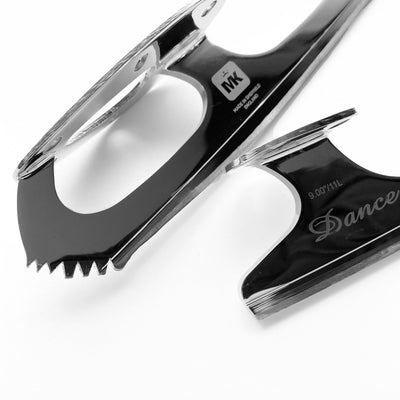
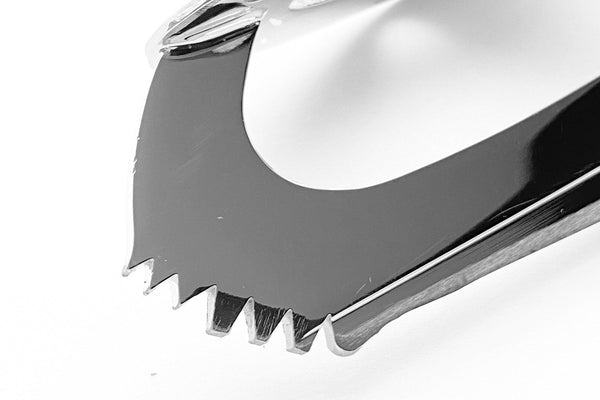
Look along each blade for rust, nicks and chips. Light surface rust can sometimes be cleaned off, but deep pitting or a chipped edge needs a sharpener's opinion, and may not be worth fixing. Sight along the blade from the heel to check it's straight, and look at the toe picks for chips or heavy wear.
Then check the mounting. Hold the boot and try to move the blade. It shouldn't wiggle or click, and every screw should be in place and tight. Extra filled holes in the sole usually mean the blades have been moved or replaced. That's fine if a technician did it, but ask a skate shop to check the blade sits where it should under your foot.
Last, make sure the blade suits your skating. A beginner set usually comes with an entry-level blade, which is all you need while you learn. An advanced blade on a used pair isn't a free upgrade if its bigger toe picks keep catching. Our blade guide explains the levels.
| Check | Good sign | Get it checked, or walk away |
|---|---|---|
| Ankles | Light creasing, and the ankle feels firm when you press it | Deep creases, or an ankle that folds over easily |
| Heel | Firm when you squeeze it | Soft or squashy |
| Sole | Firmly attached, no cracks | Gaps where it meets the boot, cracks around the screw holes |
| Padding and lining | Intact and clean | Flattened, torn or crumbling padding, mold or a lasting smell |
| Fit | Heel stays put, nothing pinches | Heel lifts, or pressure points from the last owner's foot shape |
| Blades | Straight, with clean edges and plenty of sharpenings left | Deep rust, chips, a bend, or blades a sharpener says are worn down |
| Mounting | Solid, with every screw tight | A blade that wiggles or clicks, or stripped screw holes |
Where to find used skates
Start close to home. Rink pro shops and skate shops sometimes sell used skates or take them on consignment, and skating clubs often hold skate swaps or sales. Coaches and other skaters at your rink are worth asking too, because they often know who's selling and how the skates were used.
Local skating groups online and general marketplaces have more choice, but you do all the checking yourself, often without trying the skates on. Ask for clear photos of the ankles, the heel, the inside of the boots, the soles and mounting, and both blades from the side. If a seller can't tell you the size, roughly how old the boots are or when the blades were last sharpened, keep looking.
Skip cheap skates from department stores or unknown online brands, new or used. They don't have the structure or support a figure skate needs, and they won't hold up under an adult for long. Used skates from a figure skating brand are a much better use of the same money.
Getting a used pair checked and sharpened
Before your first session, take your used skates to a skate shop or a sharpener who works on figure skates. Ask them to look over the boots, tighten or replace the mounting screws, check that the blades are straight and sitting in the right place, and sharpen them. Tell them the skates are new to you, so they can suggest a hollow for you rather than copying the last owner's.
Bring up anything that bothered you when you tried them on. A fitter may be able to stretch a tight spot, add padding or suggest an insole. If the boots are good but the blades are worn out, new blades can be mounted on them, and good blades can sometimes be moved onto new boots later. Our sharpening guide explains what to expect after a fresh sharpening.
If the skates didn't come with guards and soakers, add them to your list. Hard guards protect the blades when you walk, and soft soakers keep them dry in your bag. Our guide to guards and soakers explains the difference.
When new skates are the better buy
Buy new if your feet are hard to fit. Wide or narrow feet, bunions, high arches or old injuries need a boot that fits you from the start, and a fitter can match you to a model and heat mold it where the boot allows. The same goes if you've had foot pain in skates before.
New is also the better buy when you can't try a used pair on, when the only used pairs in your size are too soft or too stiff for your level, or when a used pair would need new blades, new padding and repairs before you could skate in it. Add those costs up before you decide. A new pair from a skate shop also comes with fitting help and any warranty the maker offers.
If you're buying new from a shop, settle the fit before the blades are mounted or sharpened, and ask about returns first. Once skates have been on the ice, they can be much harder to take back. For what skating costs at each stage, see the real cost of adult figure skating.
This is general advice from adult skaters. A good fitter can see and feel things a guide can't, so if their advice differs from this page, go with theirs.
Sources
The fit, heat molding and sharpening advice here matches our own fitting and sharpening guides. The used-skate checks reflect skating club buying advice and common practice among fitters and sharpeners, so have a skate shop look at any pair you're serious about.
- Adults Skate Too, How to Fit Figure Skates (and Break Them In): fit checks, sizing by maker's chart, heat molding and punching.
- Adults Skate Too, When to Sharpen Your Skates (and How to Tell): steel lost to sharpening, rocker wear, rust and new-to-you blades.
- MIT Figure Skating Club, How to Buy and Care for Figure Skates: used skates sold through clubs, and checking fit before sharpening.
- Bowling Green State University Ice Arena, skate buying information: checking used blades for sharpenings left and their original shape.