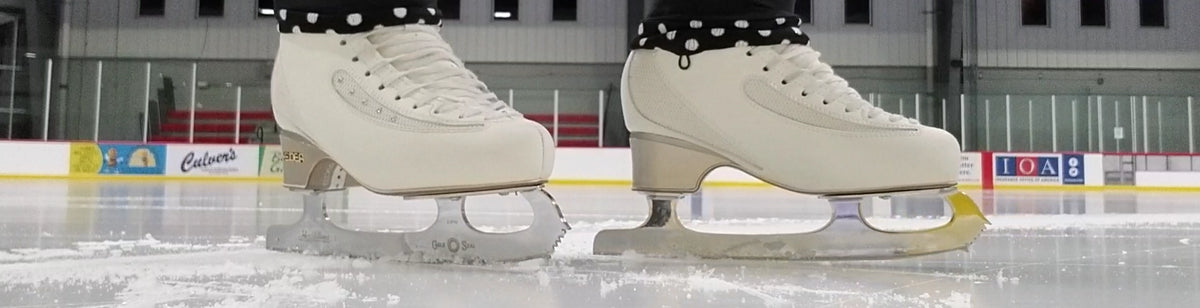

U.S. Figure Skating tests are optional skills checks you skate in front of judges at a club's test session. Adults 21 and over can test on the standard track or on the adult track, which runs Pre-Bronze, Bronze, Silver and Gold, with adult Intermediate, Novice, Junior and Senior after that. Since July 2023, the old Moves in the Field tests have been called Skating Skills.
Key takeaways
- Testing is optional. Plenty of adults skate happily for years without testing, and plenty love having a test to work toward.
- Adults 21 and over can choose the adult track or the standard track, and adult skating skills tests from Bronze up come in a 21+ version and a 50+ version.
- Since July 2023, Moves in the Field is called Skating Skills and the free skate tests are called singles tests. A lot of what's online still uses the old names.
- You need a U.S. Figure Skating membership to test, the host club sets the fees, and the result is either a pass or a retry.
- Your coach or your club's test chair will have the current requirements for each test.
If you've spent any time around a rink, you've heard someone say they're working on their Bronze, or that they passed a skating skills test last weekend. Those are U.S. Figure Skating tests, and they're one of the clearest ways to mark progress in this sport. They can also be confusing, partly because the names changed in 2023 and a lot of what's online still uses the old ones.
This page explains how the system fits together for adults in the United States. It doesn't list what's on each test, because the requirements are set in the U.S. Figure Skating rulebook and get updated, and your coach or your club's test chair will have the current version. If you skate in another country, your national federation runs its own tests, and they won't match these.
What a test is
A test is a set of skills you skate for one or more judges at a test session, usually hosted by a local figure skating club. Each test has a list of required elements, and the judges decide whether you've met the standard for that level. There's no ranking against other skaters, which is the big difference from a competition. You're only measured against the test itself.
A passed test stays on your record with U.S. Figure Skating. That matters if you compete, because the tests you've passed help decide which levels you can enter at U.S. Figure Skating competitions. If you only ever skate for fun, the level is simply yours to enjoy. Learn to Skate USA class levels are a separate thing, so finishing a group class level isn't the same as passing a test.
The adult track and the standard track
Adults aged 21 and over get a choice. The adult track is a separate series of tests just for adults, and the standard track is the same series of tests younger skaters take. You can test on either. Which one suits you depends on your goals, so it's worth talking through with your coach before your first test.
The adult track runs Pre-Bronze, Bronze, Silver and Gold. Adults who have passed Gold can carry on to adult Intermediate, Novice, Junior and Senior tests. Adult skating skills tests from Bronze up are offered in a 21+ version and a 50+ version for skaters 50 and over, and your coach can help you decide which one to take.
The 2023 name changes
On July 1, 2023, U.S. Figure Skating renamed several tests. Moves in the Field, the tests made up of edge, turn and stroking patterns, became Skating Skills, and the free skate tests became singles tests. The standard-track levels were renamed at the same time, which is why an older article and a newer one can describe the same test in completely different words.
The renaming also means two different tests can now share a name. Standard-track Bronze, for example, is not the same test as Adult Bronze. When someone mentions a level, it's worth asking which track they mean. The table shows how the standard-track skating skills levels changed.
| Old name (Moves in the Field) | New name (Skating Skills) |
|---|---|
| Pre-Preliminary | Pre-Preliminary |
| Preliminary | Preliminary |
| Pre-Juvenile | Pre-Bronze |
| Juvenile | Bronze |
| Intermediate | Pre-Silver |
| Novice | Silver |
| Junior | Pre-Gold |
| Senior | Gold |
Skating skills, singles and dance
Skating skills tests are set patterns of edges, turns and stroking that show how well you control your blade and carry speed. Singles tests are a program skated to music that includes the jumps, spins and footwork required for that level. These are the two kinds of test most adults take, and your coach will know which to take first and how the two fit together at each level.
There are also dance tests, including adult pattern dance and free dance tests, and they're a nice option if you like moving to music more than jumping. U.S. Figure Skating has pairs tests too. If dance appeals to you, ask a coach who teaches it, because the tests and the training look quite different.
How a test session works
Clubs hold test sessions on set dates and post a registration deadline for each one. To test, you need to be a U.S. Figure Skating member, and you sign up through the club hosting the session. The host club sets the fees, and some charge more for skaters from other clubs, so check before you register. Coaches often charge for coming to a test too, which is worth asking about early.
On the day, you'll check in, warm up and then skate your test while the judges watch. Your coach will usually be at the boards to send you off. It goes by much faster than you expect, and being nervous is completely normal.
The result is either a pass or a retry. A retry isn't a fail. It means not yet, and you can take the test again after a waiting period. Whatever the result, read the judges' comments with your coach, because they tell you exactly what to work on next.
Should you test?
Testing is optional, and there's no right answer. Some adults love having a clear goal with a date on it, and passing a test is a proud moment at any age. Others skate for fun and fitness and would rather spend the money on ice time. Both are completely valid ways to be a skater.
If you're unsure, treat your first test as an experiment. Pick the first level on the adult track, work toward it with your coach, and see how you feel about the process. If you're thinking about competing, testing becomes more useful, since your tests help set your competition level, and our page on preparing for your first adult competition covers that side.
Getting ready for your first test
Start by asking your coach which test makes sense first and what's on it. A good sign you're ready is when you can skate every element comfortably on an ordinary day, not just a good one. Practice the whole test in order, including the bits in between the elements, so the sequence feels familiar.
A few weeks out, try a mock test. Ask your coach or a skating friend to watch you skate it once from start to finish, without stopping, the way you will on the day. It shows you where nerves creep in, and it gives you a chance to practice carrying on after a wobble.
If nerves are a big part of it for you, you're in good company. Our page on building confidence on the ice has ideas that work for tests too. Our goal-setting guide can help you plan the weeks leading up to it. And if someone's asking what you'd like before test season, the Adult Test Prep Pack is in our gift guide.
U.S. Figure Skating updates its rules, so check the current rulebook or ask your club's test chair before you rely on any detail here. This page explains how the system fits together, and your coach and your club have the specifics.