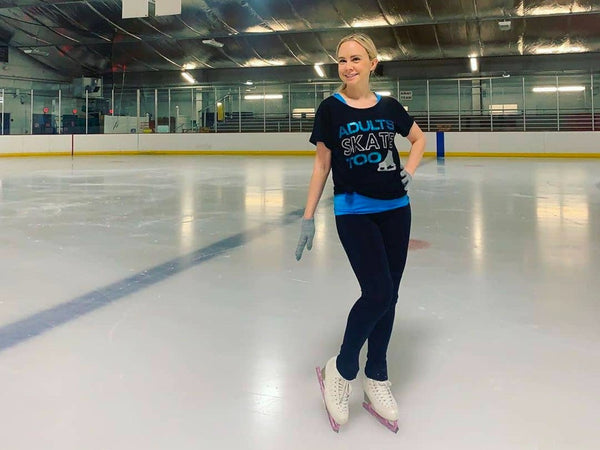

Rinks are kept cold so the ice stays hard, and you cool down fast every time you stop moving. The fix is thin layers you can add and take off, thin warm socks, gloves, something over your boots and a proper warm-up before you step on. These ten habits keep adult skaters warm enough to skate well.
Key takeaways
- Thin layers beat one big coat, because you warm up quickly on the ice and cool down fast when you stop.
- Wear one pair of thin socks, since thick socks or two pairs change how your skates fit.
- Boot covers and leg warmers that zip on over your skates keep your feet and legs warm between drills.
- Warm up off the ice first, because a warm-up raises your body temperature before you lace up.
Rinks are kept cold so the ice stays hard, and the air near the ice feels chilly even on a hot day. Once you start moving you warm up quickly, then cool down just as fast when you stop to listen to your coach or catch your breath. Cold hands and numb toes make it hard to concentrate, and stiff muscles make it hard to skate well.
Most of what helps is simple, and you probably own some of it already. This list goes from your clothes to your feet to what you do before and between sessions. Our guide to what to wear ice skating covers clothes for a first lesson in more detail.
1. Thin layers, not one big coat
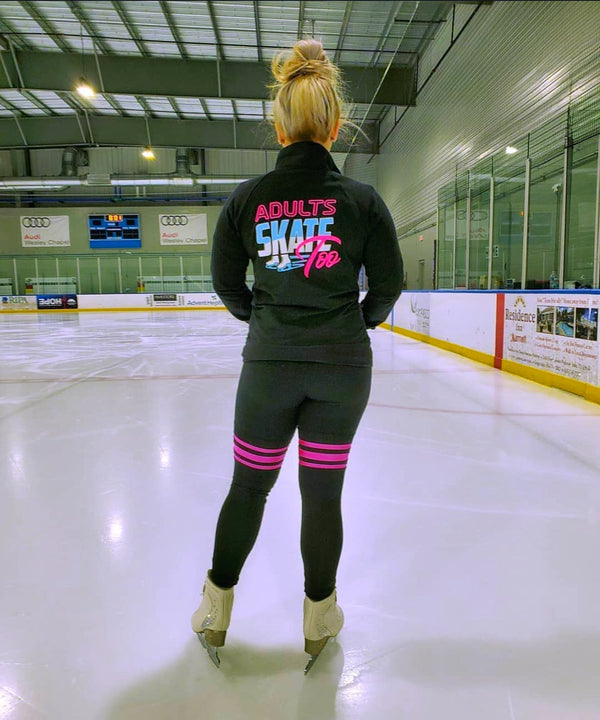
A few thin layers work better than one big coat, because you can add and remove them as you warm up and cool down. A fitted top, a warm middle layer and a light jacket give you plenty of options. A heavy winter coat is too warm once you're moving, and it makes it hard to use your arms for balance. Dress the way you would for a workout on a cool day, not for building a snowman.
2. Fabric that wicks sweat
Sweat-wicking athletic fabric is more comfortable than cotton, which soaks up sweat and then feels cold once you stop moving. That matters most on long sessions, when you warm up, sweat a little and then stand at the boards while your coach talks. Jeans are the worst choice, because they're stiff and get cold and heavy once they're wet from a fall. Leggings or athletic pants with some stretch are much easier to skate in.


Your water bottle is looking a bit bare
Holographic skating stickers, kiss-cut and water-resistant. Pick three and the price drops on its own.
Build a bundle3. Gloves every time
Gloves are the one thing not to forget, because your hands touch the ice when you fall and when you get up. Any warm pair that lets you grip the boards is fine to start with. If your hands run cold, CRS Cross Padded Skating Gloves are fleece lined and water resistant, with pads to soften falls. Wet gloves get cold fast, so a spare pair in your bag helps on long days.
4. One pair of thin, warm socks
It's tempting to pile on socks, but thick socks or two pairs take up room the boot needs to hold your foot, and they can bunch into sore spots. Wear one pair of thin socks that come up higher than the top of the boot. If your feet run cold, thin wool or synthetic socks are warmer than thin cotton ones. Once you have your own skates, wear the same socks or tights you were fitted in.
5. Thermal boot covers
Boot covers go over the outside of your skates and keep in body heat, so they add warmth without bulky socks. CRS Cross Thermal Skate Boot Covers are neoprene lined with insulated fleece, and they help keep toes and feet warm. An extended front zipper lets you put them on or take them off while you're wearing your skates. They're designed to fit snugly, so check the size chart against your skate size.
6. Leg warmers or over-the-boot tights
Leg warmers keep your calves and ankles warm while you stand around between turns. The CRS Cross set is lined with plush fleece, and the zippers mean you can take them off without taking off your skates. Many figure skaters also wear over-the-boot tights or flared leggings that cover the top of the skate. Neither is needed for a first lesson, but both help once you're skating every week.
7. A hat for before and after
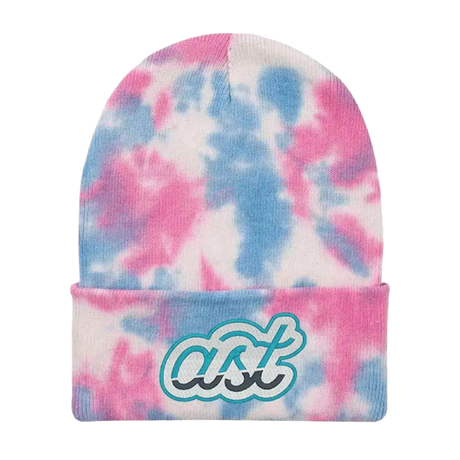
A beanie keeps you warm in the lobby and on the walk to your car. Our AST Patch Cotton Candy Beanie is a soft, lightweight cotton blend made for cold rink days. On the ice, a headband over your ears is easier to skate in, and the CRS Cross leg warmers come with a matching one. Keep long hair tied back with soft hair ties rather than clips that could fall onto the ice.
8. A warm-up before you lace up
Coach Stephanie Siclari suggests taking 5 to 20 minutes to warm up and do dynamic stretches before you lace up your skates. A good warm-up raises your body temperature, which helps your muscles contract and relax more easily. A few minutes of marching or gentle jogging, then leg swings, lunges and arm circles, gets you ready. Save the slow, held stretches for after your session, when your muscles are warm.
9. Keep moving between drills
You cool down fast when you stop, so keep your jacket close and put it on while you wait. It's easier to take a layer off than to wish you'd brought one, so bring the jacket even if it ends up on the bench. Easy stroking around the edge of a session between harder drills keeps your legs warm too, as long as you stay out of other skaters' way.
10. A spare layer and a snack
Our skating bag checklist puts gloves, a warm layer, water and a snack in every practice bag. Skating is harder work than it looks, and a snack helps if you're coming straight from work. A dry top to change into afterward makes the drive home a lot nicer, because a damp layer gets cold fast. Gloves and a warm layer matter from your very first session, so pack them before anything else.
Sources
- Adults Skate Too, What to Wear Ice Skating: layers, fabric, socks, gloves, tights and hair, which Erika wrote and checked.
- Adults Skate Too, Skating Bag Checklist: what goes in a practice bag.
- Adults Skate Too, Warming Up and Stretching Before Skating, with coach Stephanie Siclari: warm-up length and why it helps.
- Adults Skate Too, Ice Skating Tips for Adult Beginners: a simple warm-up and where to skate on a session.
- Adults Skate Too product pages for the CRS Cross gloves, boot covers, leg warmers and leggings and the AST beanie, read live on Oct 13 2026.