
What to Wear Ice Skating: A Complete Guide for Adult Beginners
Practical, budget-friendly clothing tips for adults trying ice skating for the first time
Staring at your closet wondering what to wear ice skating as a beginner? You're not alone – most adult beginners worry more about looking foolish in the wrong outfit than actually falling on the ice!
Here's the thing: I've watched countless adults walk into rinks for their first lesson, and the ones who feel comfortable in their clothes are always the ones who have the most fun. When you're not tugging at a too-tight jacket or shivering in inadequate layers, you can actually focus on learning to glide.
The good news? You probably already own most of what you need for your ice skating debut. Let's walk through exactly what works, what doesn't, and why it matters for your first time on the ice.
Why What You Wear Matters for Your First Ice Skating Experience
Your clothing choice can make or break your first ice skating experience. When you're comfortable, you're confident – and confidence on the ice translates to better balance and more willingness to try new things.
I've seen beginners arrive in heavy winter coats, only to overheat within ten minutes and spend their entire lesson struggling with bulky sleeves. On the flip side, I've watched people show up in shorts (yes, really!) and spend the session too cold to concentrate on anything but getting off the ice.
💡 Pro Tip
The right ice skating clothes for beginners serve three purposes: they keep you at the right temperature, protect you during inevitable falls, and allow you to move freely. You don't need to spend a fortune – Olympic champions like Ashley Wagner and Jason Brown started in basic athletic wear just like what you have at home.
Essential Ice Skating Clothes for Beginners: The Foundation
Think of dressing for ice skating like dressing for a workout in a chilly gym. You want to start slightly cool because you'll warm up as you move, but you also need protection from the cold ice and potential spills.
Layering is your best friend here. Ice rinks typically hover around 45-60°F (7-15°C), but your body temperature will fluctuate as you skate. Start with a good base layer and add pieces you can easily remove as you warm up.
Avoid cotton fabrics that retain moisture and leave you feeling clammy. Instead, reach for synthetic blends or merino wool that wick sweat away from your skin.
Base Layer: What Goes Closest to Your Skin
Your base layer should be made of moisture-wicking materials like polyester blends or merino wool. Think of the long-sleeved athletic shirts you'd wear running in cool weather – that's perfect for skating.
The fit should be snug but not restrictive. You want to be able to lift your arms overhead and bend at the waist without feeling pulled or pinched. Long sleeves are essential, even if you plan to wear a jacket over them, because they protect your arms when you fall (and you will fall – we all do!).
⚠️ Skip These
Skip cotton t-shirts or tank tops. Even if you layer over them, cotton holds onto moisture and will leave you feeling cold and uncomfortable.
Pants and Bottoms: Comfort Meets Function
Flexible, stretchy materials are non-negotiable for ice skating bottoms. Leggings, yoga pants, or athletic joggers work beautifully. The key is choosing something that moves with you as you bend your knees and shift your weight.
Avoid jeans at all costs. They're restrictive when wet, offer no stretch for skating movements, and become uncomfortable quickly on the ice. Save the denim for après-skate hot chocolate!
Pay attention to length too. Your pants should be long enough to prevent gaps between your sock and pant hem, but not so long that they bunch up in your skates or drag near the blade area.
What to Wear to an Ice Rink for the First Time: Top to Bottom
Most ice rinks feel quite cold when you first walk in, but here's what experienced skaters know: you'll warm up significantly once you start moving. Dress as if you're going for a brisk walk in 50°F weather, not like you're building a snowman.
Your outfit should be easy to adjust. You want to be able to unzip a hoodie or remove a light jacket without having to sit down and unlace your skates.
Upper Body: Staying Warm Without Overheating
A light fleece jacket or zip-up hoodie is ideal for your first skating session. You can easily adjust your temperature by zipping or unzipping, and remove it entirely if you get too warm. Avoid heavy winter coats – they'll make you feel like the Michelin Man trying to skate.
Long sleeves are a must, even under your jacket. When you fall (and remember, falling is part of learning!), long sleeves protect your forearms from ice burn. Think about how figure skaters like Nathan Chen and Bradie Tennell always wear long sleeves during practice – there's a reason for that.
Choose fitted rather than baggy tops. Loose clothing can catch on things or throw off your balance when you're learning basic movements.
Feet and Legs: Protection and Warmth
Thick socks are important for warmth and comfort, but don't go overboard. Socks that are too thick will make rental skates feel uncomfortably tight and could affect your balance. One pair of cushioned athletic socks or thin wool socks works perfectly.
Make sure your socks come up higher than your skate boots to prevent chafing. Crew socks or knee-high socks are ideal. Avoid ankle socks – they'll leave you with uncomfortable rubbing where the skate boot hits your skin.
Your pants should cover the top of your socks without being so long that they create bulk in your skates. This prevents cold air from hitting exposed skin and keeps you more comfortable.
Ice Skating Outfit Ideas for Adults: Putting It All Together
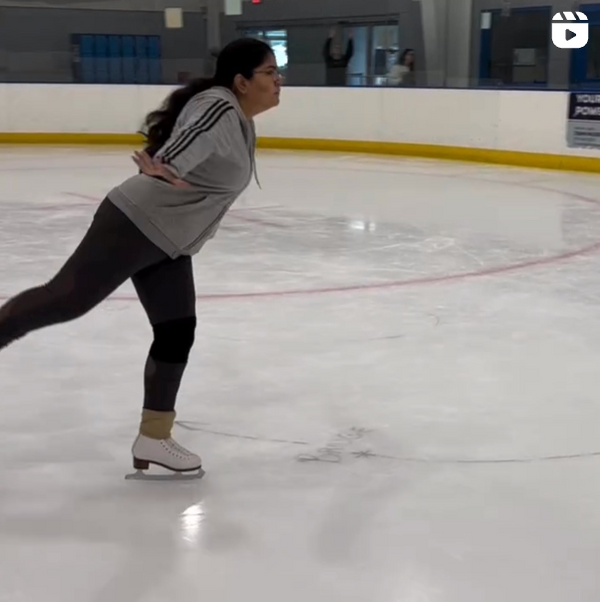
Let's talk real combinations that work. Picture this: black leggings, a long-sleeved moisture-wicking top, and a zip-up fleece hoodie. Add crew socks and gloves, and you're perfectly dressed for skating. This outfit allows movement, keeps you comfortable, and looks put-together without trying too hard.
Another winning combination: athletic joggers, a fitted long-sleeved shirt, and a light pullover sweater. The key is choosing pieces that work together and can be adjusted as needed.
| Perfect Outfit Combo | Why It Works | Avoid Instead |
|---|---|---|
| Leggings + Long-sleeve tee + Zip hoodie | Flexible, adjustable, protective | Jeans + Tank top + Heavy coat |
| Athletic joggers + Fitted shirt + Light sweater | Comfortable, easy movement | Dress pants + Button-down + Blazer |
| Yoga pants + Moisture-wicking top + Cardigan | Stretchy, breathable, layered | Shorts + Cotton tee + Winter jacket |
Budget-Friendly Options Using What You Own
Raid your workout clothes first. Those yoga pants you wear to the gym? Perfect. That moisture-wicking long-sleeved running shirt? Ideal. The light fleece you wear for cool morning walks? Exactly what you need.
If you don't have athletic wear, look for the most flexible, comfortable clothes in your closet. Soft knit pants, stretchy long-sleeved tops, and light cardigans can work in a pinch.
💰 Money-Saving Tip
The only items you might need to purchase are proper gloves and appropriate socks if you don't already have them. Everything else can likely be improvised from your existing wardrobe.
Common Clothing Mistakes Adult Beginners Make
- Overdressing is the biggest mistake – Adults often assume ice rinks are like outdoor winter activities and dress accordingly
- Choosing fashion over function – Those cute but restrictive pants might look great, but they'll make learning much harder
- Ignoring safety considerations – Skipping hand protection or adequate arm coverage can lead to scrapes that dampen enthusiasm
- Wearing the wrong socks – Too thick, too thin, or wrong height can make skating uncomfortable
Accessories and Extras: The Nice-to-Haves
Gloves aren't really a "nice-to-have" – they're essential. Your hands will get cold, and more importantly, gloves protect your hands when you fall. Even lightweight knit gloves are better than nothing, though fleece-lined versions are more comfortable.
A lightweight beanie can be nice if you tend to get cold easily, but avoid anything bulky that might fall off or obstruct your vision. Many skaters find they don't need head coverage once they warm up.
⚠️ Safety Note
Leave the scarf at home. Scarves can be dangerous around ice skating, potentially getting caught or throwing off your balance.
Protective Gear: Beyond Just Clothing
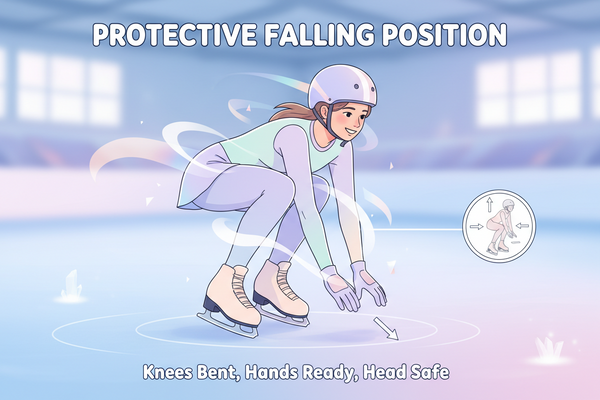
While not required for recreational skating, some nervous beginners feel more confident with knee pads under their pants. If this sounds like you, go for it! Volleyball knee pads work well and aren't too bulky.
Wrist guards can also boost confidence for adults who are particularly worried about falling. You'll see some recreational skaters wearing them, especially those transitioning from inline skating.
Helmets aren't common in figure skating (you won't see them at events like U.S. Adult Championships), but some rinks require them for certain programs or young children. Check your rink's policy if you're unsure.
Your Ice Skating Clothing Checklist
Here's your complete what-to-wear ice skating checklist:
Essential Items:
- Moisture-wicking long-sleeved top
- Flexible pants (leggings, athletic pants, or joggers)
- Light jacket or hoodie (easy to remove)
- Crew or knee-high socks (one pair, cushioned)
- Gloves (any type for warmth and protection)
Optional Additions:
- Light beanie if you get cold easily
- Knee pads for extra confidence
- Wrist guards if you're nervous about falling
Items to Avoid:
- Jeans or other rigid pants
- Cotton clothing that retains moisture
- Bulky winter coats
- Ankle socks
- Scarves or loose accessories
🎯 Remember This
The goal is to feel comfortable and confident. When you're not worried about your outfit, you can focus on the fun part – learning to glide across the ice like the adult skaters you see at competitions like ISI Adult Nationals.