Made for Adult Ice Skaters

Adults Skate Too is more than a brand — it's a movement built for adult figure skaters of all levels. Whether you're returning to the rink after years away, starting as an adult beginner, or skating every week, AST celebrates adult skating with high-quality, fun, and functional apparel and accessories.

From our best-selling rink totes to cozy skate hoodies, our products are made for those redefining what ice skating for adults looks like. Join the growing community of adult skaters who are proving it’s never too late to lace up.

Master Adult Ice Skating: Tips for Beginner Figure Skaters

Free US Shipping on Orders $75+

More OneofOne Merch Dropping This Week!

Build Your Own Sticker Bundle! Buy More & Save

⛸️ ICED OUT SALE

20% Off Best Sellers

ICEDOUT2026
Master Figure Skating as an Adult

Master Adult Ice Skating: Tips for Beginner Figure Skaters

Master Adult Ice Skating: Tips for Beginner Figure Skaters

Can You Really Learn Figure Skating as an Adult?

Short answer: Absolutely — yes.

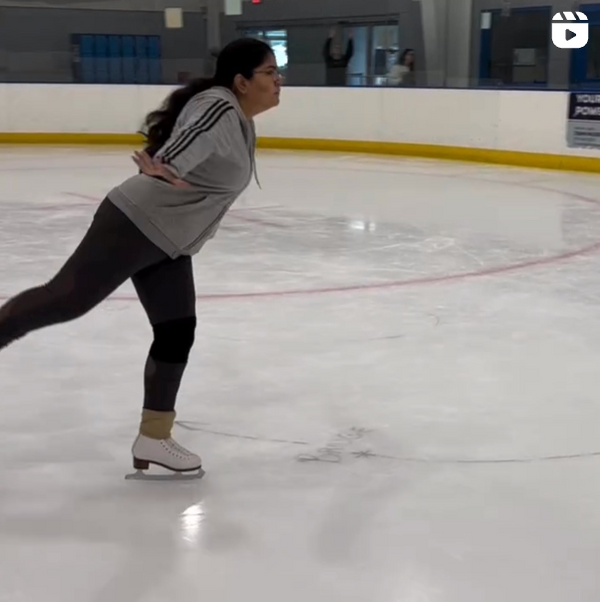
Thousands of adults lace up every year — people in their 30s, 40s, 50s and beyond. You don’t have to have been a child skater or have “natural” talent. What matters is commitment, the right resources, and a welcoming circle of fellow skaters.

This guide walks you through everything you need to begin your figure skating journey as an adult — practical, honest, and encouraging.

Part 1: Before You Lace Up Your Skates

Is Adult Figure Skating Right for You?

Figure skating as an adult gives you a lot of meaningful benefits: 5 reasons to try adult figure skating.

  • Physical fitness — A tougher-than-it-looks mix of cardio and strength
  • Mental clarity — The focused, almost-meditative feel of being on the ice
  • Community — Plenty of other adults to skate with
  • Fun — The simple joy of gliding
  • Low pressure — No expectations unless you choose them
  • Lifelong skill — Something you can keep doing for years

Time commitment: Realistic expectations

  • Beginner: 2–4 hours/week for 6–12 months to feel comfortable
  • Intermediate: 4–8 hours/week to keep progressing
  • Make it casual or serious — whatever fits your life

Cost: Budget-realistic numbers

  • Skates: $100–300 for quality adult skates
  • Ice time: $5–15 per hour (depends on your rink)
  • Lessons: $30–75 per 30-minute private lesson
  • Total first-year cost: $1,500–3,500 for regular skating plus lessons

Part 2: Finding Your Rink & Getting Ice Time

Types of Skating Sessions

Public Skating

  • Open sessions for all levels
  • Usually the busiest and most affordable option
  • Typical price: $5–12 per session
  • Not ideal for learning (can be crowded and distracting)
  • Great for extra practice once you have the basics

Learn-to-Skate Classes

  • Group classes aimed at beginners
  • Usually $10–20 per session
  • Often run in 6–8 week blocks
  • Perfect for learning fundamentals with other adults
  • A good way to meet learners at your level

Adult Beginner Programs

  • Designed specifically for adult learners
  • Class progression usually follows Levels 1–6
  • Typical cost: $15–30 per session
  • Best for structured, steady progress
  • Built-in community of adult skaters

Freestyle/Coaching Sessions

  • Reserved ice time for figure skaters
  • Requires independent skating ability
  • Typical cost: $15–25 per hour
  • Available once you’ve passed basic skills
  • Better ice and fewer distractions for learning elements

Private Lessons

  • One-on-one coaching
  • $30–75 per 30-minute lesson
  • Can be booked during different session types
  • Fastest route to progress
  • Also the priciest option

Finding Rinks Near You

Search for rinks:

  • Google: "Ice skating rinks near me" or "Figure skating near me"
  • USFSA website: Locate local clubs and coaches
  • Local parks & recreation departments
  • Facebook groups: Search "adult figure skating [your city]"
  • Adults Skate Too community directory: Link up with nearby adult skaters

What to look for in a rink:

  • Adult-friendly hours (off-peak sessions)
  • Beginner-friendly atmosphere
  • Good coaching staff
  • Other adult skaters so you don’t feel alone
  • Fair pricing
  • Clean, well-maintained ice

Starting Your First Session

What to expect:

  • You'll fall. Everyone does — it’s normal.
  • You'll feel sore (inner thighs, ankles, core). It eases up.
  • You'll probably progress faster than you expect.
  • Most people at the rink are focused on themselves, not judging you.

What NOT to do:

  • Don’t start with private lessons only — try group classes first to make sure you enjoy it
  • Don’t expect YouTube-level skills overnight — it takes time
  • Don’t compare yourself to others — everyone’s journey is different
  • Don’t quit after one week — progress requires patience

Part 3: Essential Equipment for Adult Figure Skaters

Figure Skates (The Most Important Purchase)

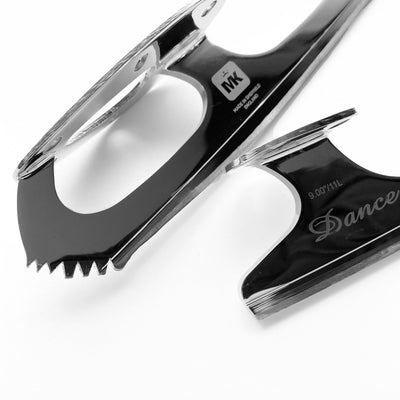
Why NOT to use roller skates: Figure skates are built for ice — blade shape, placement, and boot design are different.

What to look for:

  • Boot fit: Snug heel, secure ankle, comfortable forefoot
  • Blade quality: Stainless steel (avoid aluminum)
  • Comfort: Supportive without painful pressure points
  • Size: Often 1–2 sizes smaller than your street shoes (ice skates run large)

Price ranges:

  • Budget beginner skates: $100–150
    • Good for learning
    • Shorter lifespan (1–2 years with regular use)
    • Examples: Basic models from sporting goods stores
  • Quality beginner/intermediate skates: $150–300
    • Better comfort and support
    • Last 3–5 years with care
    • Recommended for adults who stick with skating
    • Examples: Riedell, Jackson, Edea entry-level models
  • Advanced skates: $300–600+
    • Higher-end materials and craftsmanship
    • Made for competitive or serious skaters
    • Investment for performance-level training

Where to buy:

  • Pro tip: Buy from rink pro shops or specialist online skate retailers — not department stores
  • Pro shops help with proper fitting
  • Online dealers often offer better selection and prices
  • See our "Best Prices for Skating Apparel" guide for budget finds

Breaking in your skates:

  • Allow 2–4 weeks to feel natural
  • Wear thicker socks during break-in
  • Keep sessions short at first
  • Consider a professional sharpening before your first session

Guards & Soakers

Blade guards:

  • Protect blades when you’re off the ice
  • Plastic sheaths that slip over the blade
  • Cost: About $15–25
  • Essential for storage and transport

Soakers:

  • Absorbent sleeves that fit over guards
  • Help prevent rust and blade damage
  • Cost: About $10–15
  • Handy for travel and storage

Cloth blade wipes:

  • Quick-dry towels to wipe blades after skating
  • Cost: $5–10
  • Keep blades dry between sessions

Rink-Side Essentials

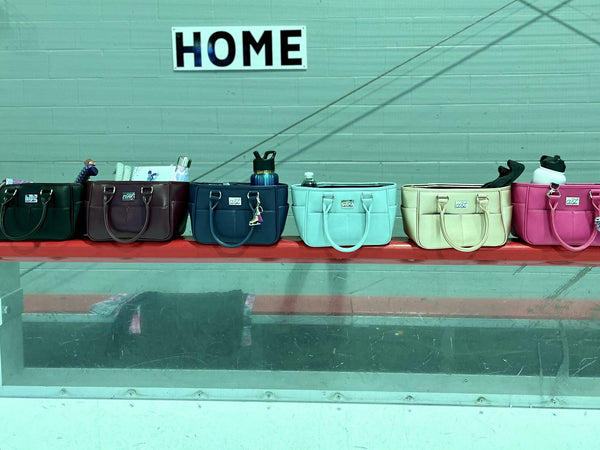
Skate bag or tote:

  • Holds skates, guards, and soakers neatly
  • Protects your car from wet gear
  • Budget: $30–80 for a solid option
  • Check our curated picks for adult-friendly bags

Thick socks:

  • Wool or synthetic blends work best
  • Help prevent blisters during break-in
  • Cost: About $15–25 for a pack of three

Waterproof jacket:

  • Rinks are cold and damp — layers are better than one bulky coat
  • Budget: $50–150

Comfortable pants:

  • Choose flexible options (leggings, yoga pants)
  • Avoid jeans — they’re stiff and get cold when wet
  • Budget: $30–80

Towel & dry clothes:

  • You WILL get wet — bring a towel, spare socks, and a dry shirt
  • Changing into dry clothes helps you stay comfortable and healthy

Part 4: Basic Skills & Progression

Beginner Skills (Weeks 1–12)

What you'll learn:

  • Basic stance — How to stand on skates (it’s trickier than it sounds)
  • Marching — Walking on ice safely
  • Gliding — Pushing and coasting smoothly
  • Stopping — How to slow and stop without panicking
  • Turning — Basic 180° turns
  • Forward crossovers — Crossing legs while moving forward
  • Backward skating — Pushing and balancing backward

Timeline: Most adults learn the basics in 8–12 weeks with 2–4 hours/week practice

Common challenges:

  • Fear of falling — Falling is part of learning; protective pads help
  • Ankle weakness — Expect 4–8 weeks to build strength
  • Balance issues — Your body will adapt with practice
  • Sore muscles — Stretching and recovery help

Intermediate Skills (Months 3–12)

Progression beyond basics:

  • Backward crossovers — Crossing while skating backward
  • Three turns — Switching direction smoothly
  • Mohawks — Clean edge changes
  • Spirals — Longer one-leg glides
  • Spins — Rotations on the spot
  • Jumps — Small hops and waltz jumps

Timeline: Intermediate skills usually develop over 6–12 months with steady practice

Getting coaching:

  • Group lessons are great for fundamentals
  • Private coaching speeds progress
  • Many adults find 1–2 private lessons per month helpful
  • Coaches often specialize (technique, jumps, spins, performance)

Tracking Your Progress

USFSA Achievement Levels (if you want structure):

  • Pre-Alpha — Basics (marching, gliding, stopping)
  • Alpha — Fundamentals (turns, crossovers, backward skating)
  • Beta — Intermediate skills (edges, footwork, basic jumps)
  • Gamma+ — Advanced skills (complex jumps, spins, choreography)

Optional: Take tests to earn badges and stay motivated.

Most adults skip testing — many skate for fun, fitness, and the social side without formal exams.

Part 5: Building Strength & Flexibility

Why It Matters

Figure skating asks a lot from your body:

  • Ankle stability — Skates demand strong, stable ankles
  • Core strength — Balance and spin control come from the core
  • Leg strength — For pushes, landings, and holds
  • Hip flexibility — Needed for spirals and many moves
  • Overall conditioning — Cardio endurance helps during long sessions

Off-Ice Training (30 minutes, 2–3x/week)

Strength training:

  • Squats (bodyweight or light weights)
  • Lunges (forward, reverse, lateral)
  • Calf raises
  • Planks and other core exercises
  • Single-leg balance drills

Flexibility:

  • Hip openers (pigeon pose, butterfly stretch)
  • Hamstring stretches
  • Calf stretches
  • Lower-back mobility work
  • Dynamic warm-ups before skating

Cardio:

  • Running or jogging (builds leg endurance)
  • Swimming (gentle, low-impact cardio)
  • Cycling (good for leg strength)
  • HIIT sessions for skating-specific fitness

Resources:

  • YouTube channels focused on skater conditioning
  • Instagram accounts with skater workouts
  • Local gyms: trainers who know skating are a bonus

On-Ice Warm-Up (Before Every Session)

Never start cold. Spend 10–15 minutes warming up:

  • Marching in place
  • Forward glides
  • Backward glides
  • Small circles
  • Light crossovers
  • Arm circles and shoulder rolls

Part 6: Finding Your Adult Figure Skating Community

Why Community Matters

  • Motivation — Skating with others keeps you accountable
  • Safety — People look out for each other on the ice
  • Learning — Sharing tips speeds up improvement
  • Friendship — Many lifelong friendships start at the rink
  • Events — Showcases, parties, and social skates
  • Support — Fellow adults understand the ups and downs

Where to Find Adult Skaters

Local rinks:

  • Ask coaches or pro-shop staff for recommendations
  • Attend freestyle sessions to meet other skaters
  • Join club teams if you want structure
  • Post on rink bulletin boards or community boards

Online communities:

  • Facebook groups: "Adult figure skaters [your city]"
  • Reddit: r/FigureSkating — active with adult learners
  • Adults Skate Too community
  • Instagram hashtags: #adultskatetoo, #adultfigureskating

Clubs & Organizations:

  • USFSA local clubs often include adults
  • Non-competitive skating clubs
  • Synchronized teams open to adult members
  • Adult-only skating groups

Adult-Specific Opportunities

Adult showcase events:

  • Rinks frequently host adult-only performances
  • No judging — just performing for fun
  • You can choreograph your own piece or get help
  • Perform before a supportive crowd

Adult carnivals:

  • Social events for adults only
  • Games, group numbers, and social time
  • Laid-back, fun atmosphere

Skating camps:

  • Summer and winter camps geared to adult learners
  • Intensive coaching in a relaxed setting
  • Meet adult skaters from different places

Social skates:

  • Casual adult skating nights
  • Mixed skill levels welcome
  • Designed to build community

Part 7: Mental Game & Staying Motivated

Managing Expectations

Realistic timeline:

  • Week 1: Expect to be tired and sore
  • Month 1: Basics will start to feel possible
  • Month 3: You’ll feel more confident on skates
  • Month 6: Noticeable progress (backward skating, turns)
  • Year 1: Intermediate skills begin to take shape

Not a fast sport:

  • Advanced skills take years to develop
  • That’s okay — most people skate for the long haul
  • Progress comes in weeks and months, not days
  • Everyone moves at their own pace

Dealing with Fear

Fear of falling:

  • Accept it — falling happens, and you’ll be fine
  • Use protective gear (wrist guards, knee pads, padded shorts)
  • Practice safe falling techniques (roll or fall to the side)
  • Many falls mean you’re pushing your limits — which is growth

Fear of being judged:

  • Most rink-goers are focused on their own practice
  • Adult learners are common
  • You belong at the rink just as much as anyone

Fear of starting late:

  • It’s never too late — adult figure skating is growing
  • Many people start at 30, 40, 50 or older
  • Your timeline is your own

Staying Motivated Long-Term

Set goals (more specific than "get better"):

  • Short-term: Master a specific move (forward crossovers)
  • Medium-term: Land a waltz jump
  • Long-term: Perform in a showcase
  • Lifestyle: Commit to skating 3x per week for a year

Track progress:

  • Keep a skating journal
  • Record video — you’ll be surprised how much you improve
  • Note small wins (held a spin for 3 seconds!)
  • Celebrate milestones

Find your "why":

  • Is it fitness, community, fun, or challenge?
  • Remembering your reason helps on tough days
  • Your "why" will probably change over time — that’s fine

Part 8: Common Questions & Concerns

"Is it too late to start at [my age]?"

No. Adults commonly start at 30, 40, 50 and older. Age isn’t a deal-breaker.

"How much will this cost?"

Realistic budget:

  • First year with lessons: $2,000–4,000
  • After that: $1,000–2,000 per year
  • Costs can be much lower if you skip lessons or skate less often

"Will I be the oldest person at the rink?"

Probably not. Many beginner and recreational skaters are adults. You’ll see kids and competitive skaters too, but adult skaters are common.

"How do I prevent injuries?"

  • Build strength gradually
  • Warm up every session
  • Wear appropriate protective gear
  • Listen to your body
  • Don't push too fast

"Should I get private lessons or group classes?"

Start with group classes. Once you’ve got the basics and want to speed up, add private lessons (1–2 per month is a good rhythm).

"What if I fall on my wrist?"

Wear wrist guards. They’re simple and effective. Falls happen; gear reduces the risk.

"Can I skate if I'm overweight or out of shape?"

Yes. Figure skating builds strength and endurance. Start slowly, be consistent, and you’ll get fitter and more confident.

"How long until I can do a spin/jump?"

  • Spin: 2–4 months with focused coaching
  • Jump: 3–6 months for a waltz jump; harder jumps take longer
  • Timelines vary depending on practice time and coaching

Part 9: Essential Gear Checklist

Must-Have Before First Session

  • Figure skates (properly fitted)
  • Thick socks
  • Comfortable pants (leggings, yoga pants)
  • Warm, comfortable jacket
  • Towel
  • Water bottle

Should-Have Before First Month

  • Blade guards & soakers
  • Rink-side tote bag
  • Extra socks and dry clothes
  • Basic wrist guards
  • Skate sharpening plan or tool

Nice-to-Have for Long-Term

  • Padded shorts (for fall protection)
  • Knee pads
  • Specialized ice-skating pants (stretchy)
  • Performance pieces if you plan to showcase
  • Mirror for technique review
  • Foam roller for recovery

Part 10: Your First Week Action Plan

Day 1-2: Research & Planning

  • Find 2–3 rinks near you
  • Check adult beginner class schedules
  • Read rink reviews and visit websites
  • Budget your first-month costs

Day 3-4: Equipment Shopping

  • Visit a pro shop or order online
  • Get properly fitted skates
  • Buy socks, guards, and soakers
  • Grab basics: towel and water bottle

Day 5-6: Sign Up for Classes

  • Contact the rink about adult beginner classes
  • Register for your first session
  • Get rink orientation details
  • Plan logistics for your first day

Day 7: First Session!

  • Arrive 15 minutes early
  • Introduce yourself to the instructor
  • Keep in mind: everyone started somewhere
  • Have fun and enjoy the ice

Resources for Adult Figure Skaters

Websites & Communities

  • Adults Skate Too: Community and resources for adult figure skaters
  • USFSA: U.S. Figure Skating Association (official organization)
  • Reddit r/FigureSkating: Active community with many adult learners
  • Facebook groups: Search "adult figure skating [your city]"

YouTube Channels

  • Search for skating technique channels ("figure skating basics")
  • Look for adult skater channels — real people sharing their journeys
  • Find coaching videos for off-ice training

Social Media

  • Instagram hashtags: #adultskatetoo, #adultfigureskating
  • Follow adult skaters for tips and motivation
  • TikTok: lots of short, inspiring adult skating clips

Finding Coaches

  • Ask staff at your local rink
  • USFSA has a directory of certified coaches
  • Ask other adult skaters for recommendations
  • Expect private lessons to cost $30–75 per 30 minutes

Final Thoughts

You absolutely can learn figure skating as an adult. Thousands are proving it right now. You’ll get stronger, meet great people, and find a hobby that can stick with you for life.

The skating community is welcoming and supportive — full of adults who chose to make ice time part of their lives, whether they started at 8 or 58.

Your journey begins on the ice. Ready to skate?

Common Skater Qs 💭

Can adults learn to ice skate?

Absolutely! It’s never too late to start skating. Many adults begin in their 20s, 30s, 40s, or beyond — and fall in love with the sport.

What should I wear to adult skating lessons?

We recommend leggings or athletic pants, layered tops, and a jacket or hoodie. Gloves and tall socks are helpful, too. AST makes apparel specifically for adult skaters!

Do I need my own skates to start?

Not at first! Most rinks rent skates. Once you're hooked, you can invest in figure skates that match your goals and budget.

Are there competitions or classes for adult skaters?

Yes! Many clubs offer adult-only group classes and competitions through organizations like U.S. Figure Skating.

Is figure skating a good workout for adults?

Skating improves balance, coordination, strength, and endurance — and it's fun too!

How do I find adult skating classes near me?

Search your local rink’s website or contact them directly for adult learn-to-skate programs.

What skates are best for adult beginners?

Brands like Jackson, Riedell, and Edea offer supportive boots. Visit a skate shop for fitting advice.

What should I bring to my first skating class?

Wear warm layers, bring gloves, tall socks, and water. If you have skates, bring them too!

Leave a comment