
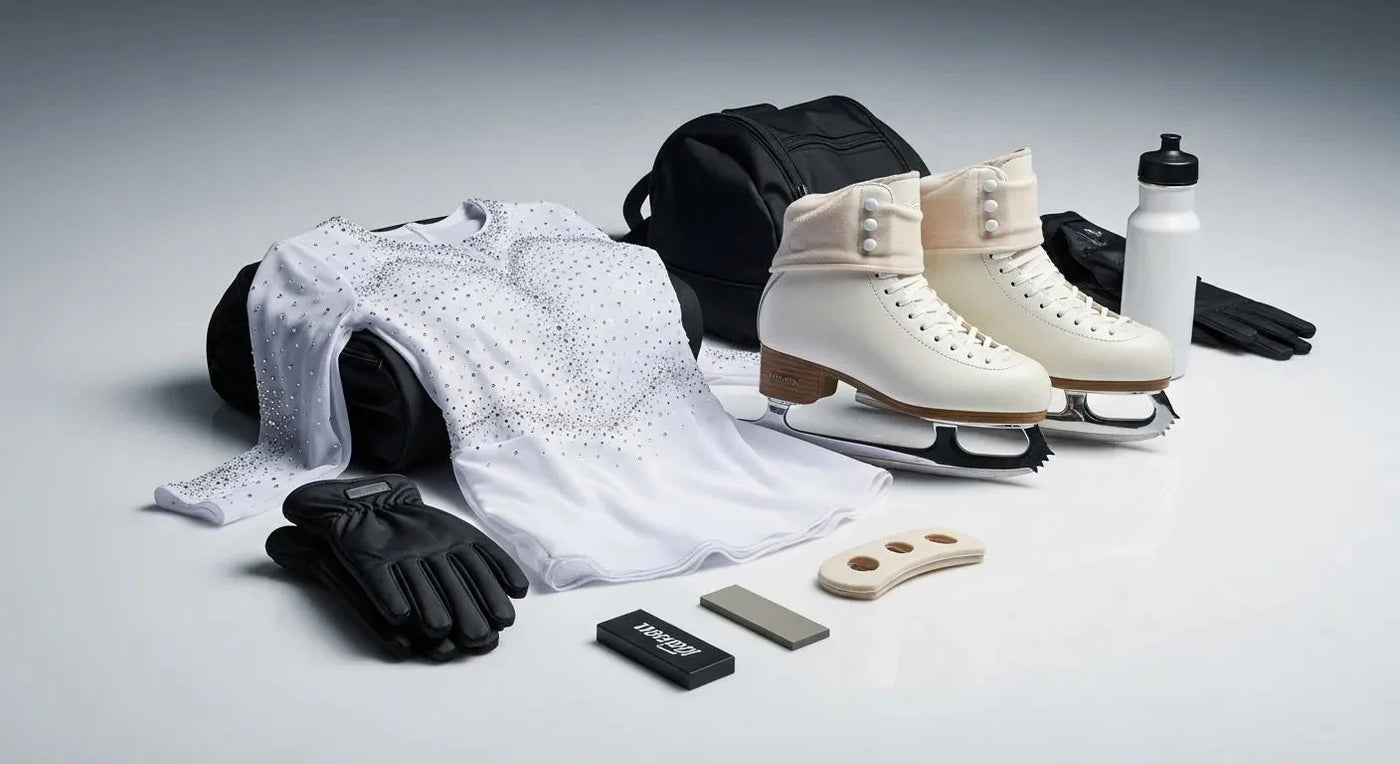
Essential Gear for Figure Skating
Choosing practice clothes for adult skaters is a balance: keep warm, move freely, and manage sweat so training stays focused. This guide defines what “practice attire” looks like for adults, why layering and fabric choices matter, and how the right fit helps technique, safety, and coach feedback. You’ll get clear guidance on base layers, outerwear and jackets for different rink temperatures, bottoms that free your movement, useful accessories, recommended beginner protective gear, and what to avoid on the ice. Practical material tips focus on moisture-wicking polyester blends, spandex for stretch, and lightweight thermal fabrics that work for quick warm-ups and longer sessions. For adult-sized options, keeps collections of leggings, shirts, long sleeves, hoodies, jackets, gloves, and socks designed for adult skaters at accessible prices. The rest of this article is practical, safety-first advice to help you get the most out of practice.
Across experts, one message is consistent: comfortable, flexible, layered clothing is the foundation of good adult skating practice.
Adult Figure Skating Attire: Comfort, Movement, Layering
If you expect to keep skating, invest in good boots—and wear clothing that moves with you. Comfort, freedom of motion, and a tidy look matter. Most skaters layer so they can adapt to different rink temperatures.
The complete book of figure skating, 2002
Which Base Layers Are Best for Adult Figure Skating Practice?
Base layers sit next to your skin and do three jobs: move sweat away, keep you warm, and provide a slim, supportive foundation for movement. Look for moisture-wicking, quick-dry fibers that pull sweat out to evaporate so you stay warm without feeling damp. Stretch and light compression help with jumps and spirals. The right base layer improves temperature control, reduces chafing during repeated moves, and makes layering more predictable when rink conditions change. Practical base layers pair polyester blends with spandex, fit snug without restricting, and often come in over-the-boot cuts for a smooth boot fit.
Here’s a short comparison of common base-layer choices and why each works for different practice needs.
- Leggings — the go-to for most sessions: stretchy, full coverage, and often made to pull over boots so fabric won’t bunch.
- Long-sleeve moisture-wicking tops — give torso coverage and steady thermal balance while letting your arms move freely.
- Tanks or fitted short sleeves — handy for intense warm-ups or when a coach needs a clear view of posture and alignment.
Match base layers to rink temperature and training goals. Aim for pieces with about 8–12% spandex for shape recovery; thinner polyester blends move moisture better. Prefer high-waisted leggings for core support and long sleeves with flat seams and thumbholes to reduce wrist rubbing. Adults Skate Too LLC carries adult-specific leggings and long sleeves designed for skating movement and comfort if you want practice-ready pieces.
Intro to the base-layer comparison table: the table below shows common base-layer items, their fabrics and features, insulation and moisture performance, and where each is best used so you can pick what fits your session.
| Item | Fabric / Feature | Recommended Use |
|---|---|---|
| Figure skating leggings | Polyester-spandex blend; over-the-boot option | Everyday practice; cold rinks; offers compression and full coverage |
| Moisture-wicking long-sleeve top | Lightweight polyester with flat seams | Warm-ups and multi-skill sessions; sweat control with full arm mobility |
| Fitted tank top | Breathable polyester mesh | Short, high-intensity warm-ups; layer under a mid-layer for cold ice |
The trade-offs are clear: leggings and long sleeves balance warmth and mobility, while tanks are best for short, intense work or layered systems. Next, we look at how moisture-wicking fabrics deliver these benefits.
How Do Moisture-Wicking Fabrics Enhance Skating Comfort?
Moisture-wicking fabrics move sweat from your skin to the garment surface so it can evaporate, stabilizing the tiny climate next to your body and preventing the chill that comes from damp clothing. This works through capillary action in synthetic fibers—usually polyester blends—with spandex added for stretch and fit retention. For skaters, that means you can stay warm without overheating and avoid friction points that lead to chafing or blisters. When shopping, look for polyester-spandex blends labeled “moisture-wicking” or “quick-dry,” and skip heavy cotton, which holds moisture and cools you down. Knowing this helps you choose base layers that support both comfort and performance.
Research into sports textiles backs up the importance of these properties in athletic wear.
Sportswear Fabric Design: Moisture-Wicking & Comfort
The fabric worn next to the skin plays a major role in comfort and performance. Moisture transport behavior is a key design property for sports textiles.
Materials design towards sport textiles with low-friction and moisture-wicking dual functions, J Kong, 2015
What Are the Top Base Layer Options: Leggings and Long-Sleeve Tops?
Leggings and long sleeves are the backbone of a dependable practice outfit: they stretch, cover, and layer predictably. Choose high-waist leggings with at least 8% spandex for core support so they stay put during bends and jumps; over-the-boot designs stop fabric from riding up around the ankle and blade. Long sleeves with flatlock seams and thumbholes protect wrists and keep sleeves from shifting in spins, while preserving full arm range. For chilly rinks pick thicker, brushed-back leggings; for high-intensity sessions pick lighter, more breathable tops to manage sweat without losing mobility.
How to Choose Outerwear and Jackets for Ice Rink Warmth and Flexibility?
Outerwear is the layer you see and adjust between drills: it should keep you warm without restricting arm movement. The best pieces balance insulation and stretch. Use fleece or stretch zip-ups for flexibility during warm-ups; lightweight insulated jackets when you need steady warmth before and after practice; and thin shell layers for mild or windy conditions. Also think about hem length and sleeve cut so coaches can check hip and shoulder alignment easily.
Compare jacket types by mobility, breathability, and how they layer so you can add or remove pieces quickly between segments.
- Fleece or stretch zip-ups — breathable warmth with flexible panels that don’t limit arm movement.
- Light insulated jackets — good for longer cold exposure but may reduce subtle upper-body mobility during technical work.
- Shell layers — wind protection and light breathability; pair with a warm mid-layer for cold rinks.
These choices help you manage temperature without hurting technique. Use the EAV table below to compare jacket types by weight, breathability, and mobility in a layering system.
| Jacket Type | Weight / Breathability | Mobility / Layering |
|---|---|---|
| Fleece zip-up | Medium weight; good breathability | High mobility; best as a mid-layer |
| Lightweight insulated | Light-to-medium; moderate breathability | Moderate mobility; great for transitions |
| Stretch shell | Very light; high breathability | High mobility; pairs well with a warm mid-layer |
Fleece tends to hit the sweet spot for practice—warm without getting in the way—while insulated jackets are better for time off the ice or very cold rinks. Next, we cover jacket styles that work best for warm-ups and longer exposure.
What Types of Jackets and Hoodies Provide Optimal Warm-up Warmth?
Fleece-lined performance hoodies and stretch zip jackets work well because they trap heat with soft fabrics while staying flexible through the shoulders and arms. Brushed polyester and microfleece trap air for warmth; thin synthetic fills add heat without bulk. For warm-ups pick raglan sleeves or articulated elbows to prevent bunching during arm lifts and spins. If you need extra warmth before or after practice, a light insulated jacket with compressible fill is handy—just plan to remove it for technical drills so your shoulders and core can move freely.
How Does Layering Outerwear Improve Movement and Temperature Control?
Layering separates functions: a moisture-wicking base handles sweat, a flexible mid-layer (like fleece) provides insulation, and an outer shell blocks wind and helps vent heat. This three-layer approach lets you add or strip layers between sets so your muscles stay warm without over-sweating.
During technical work remove outer layers, then put them back on during rest periods to keep muscles warm and lower injury risk.
Practical tip: pack compressible layers and test mobility with everything on so sleeves and hems don’t interfere with blade clearance or block a coach’s view.
What Are the Best Bottoms for Adult Figure Skating Practice?
Bottoms should allow full hip and knee flexion, give coverage during spins and lifts, and sit cleanly over boots when needed. Leggings are the most versatile—they offer stretch, reinforced seams, and over-the-boot options that keep fabric away from blades. Skating pants with articulated knees can protect against wind for outdoor use but might add bulk for precision elements. Practice dresses or skirts are fine for choreography or presentation practice if they don’t limit leg lifts or hide footwork; in colder rinks layer underneath.
Compare bottoms by mobility, coverage, and how well they work with boots to pick the right piece for your training focus.
- Skating leggings — streamlined, stay put during jumps and spins.
- Skating pants — extra protection for outdoor or windy sessions, but may reduce fine mobility.
- Practice dresses/skirts — good for choreography and presentation work when paired with proper underlayers.
Choose bottoms with reinforced seams where stress is highest and aim for blends with 8–12% spandex so they keep their shape. The next section explains the design details that maximize freedom of movement.
How Do Skating Leggings and Pants Support Freedom of Movement?
Good leggings and pants use construction tricks—gussets, flat seams, and four-way stretch fabrics—to follow multi-directional movement. Gussets relieve seam tension at the crotch and hips so deep knee bends and crossovers don’t pull fabric out of place. Polyester with a healthy spandex share keeps compression and prevents sag after repeated use, which supports balance and body awareness.
Fit tip: avoid low-rise cuts that expose your lower back during extension, and choose contoured seams that match hip and thigh lines for unimpeded rotations.
When Are Skating Dresses Appropriate for Practice?
Practice dresses and skirts suit run-throughs, performance practice, or dress rehearsals—provided they don’t block leg lifts or hide footwork. In cold rinks layer fitted shorts or leggings underneath to stay warm and covered without losing range. Look for modest skirt lengths and secure waistbands that resist flipping during spins; short skirts with compression shorts underneath give visibility and safety. For focused technical drilling, keep dresses for dress rehearsals rather than everyday skill work.
Which Accessories Are Essential for Adult Figure Skaters?
Accessories sharpen comfort, protect against small injuries, and help preserve gear. Key items include gloves for warmth and light fall protection, thin performance socks to fine-tune boot fit and cut blisters, hair accessories that hold hair without pressure points, and blade guards for off-ice transport. Accessories complement your clothing system: gloves and socks handle temperature and friction, while hair ties and headbands keep hair out of the way and work with helmets when used. Opt for breathable materials that don’t trap moisture and match the compression and thickness needs of your boots and blades.
Intro to accessories comparison table: this table lists common accessories, their materials and features, and practical fit guidance so you can quickly choose what works.
| Accessory | Material / Feature | Benefit / Fit Guidance |
|---|---|---|
| Skating gloves | Thin thermal knit with grip | Warmth and light fall protection; avoid bulky mitts |
| Performance socks | Synthetic blends; low pile | Better boot fit and fewer blisters |
| Hair accessories | Soft ties, non-metal clips | Secure hair with minimal pressure; helmet-friendly |
Small accessory choices make a noticeable difference in comfort and performance. Below are practical tips for gloves, socks, and hair gear.
How Do Gloves and Skating Socks Protect and Enhance Performance?
Gloves keep hands warm and buffer light abrasions in a fall, while thin performance socks improve boot fit and reduce friction that causes blisters. Pick gloves with a thin insulating layer and a textured palm for grip without bulk that would change hand positioning in lifts or partner work. Socks should be thin, breathable, and low-seam to avoid hotspots; compression socks can help circulation during long practices. Common mistakes: thick cotton socks that soak up sweat and cause slipping, and overly thick gloves that blunt finger sensitivity and interfere with grips.
What Hair Accessories Help Maintain Focus and Comfort on Ice?
Hair accessories should hold hair firmly without creating pressure under helmets or headbands and must stay put during spins and throws. Soft, stretchy ties and wide, non-slip headbands keep hair out of your face without tight knots that give you headaches. For long hair, braids lying flat against the head lower snag risk and keep vision clear; for short hair, silicone grips or soft clips tame stray strands. Choose accessories that balance hold and comfort so they don’t disrupt helmet fit or your focus.
What Protective Gear Should Adult Beginners Consider for Safety?
Beginner protective gear for adults focuses on head and wrist protection while still allowing you to learn skills and build confidence. Helmets made for skating or multi-sport use protect against impacts and should fit snugly without tilting; wrist guards and knee pads offer fall protection while you learn edges and stops.
There’s always a trade-off between protection and freedom of movement, so favor slim-profile pads that fit under practice clothing and test mobility with everything on. Many skaters use pads during early lessons and remove them as balance and technique improve.
Use three simple selection rules: certified helmet sizing and fit, slim-profile padding, and a mobility check while wearing your full practice outfit to ensure gear doesn’t interfere with technique or coaching observation.
- Helmet: Pick certified helmets with adjustable straps and proper sizing.
- Wrist guards: Slim guards that limit hyperextension but fit under gloves.
- Knee pads: Low-profile pads for early falling drills and practice.
These basics help adult beginners lower injury risk while they work on fundamentals. The table below summarizes helmet and pad features and fit tips for adult skaters.
| Protective Item | Key Attribute | Fit & Use Guidance |
|---|---|---|
| Adult helmet | Adjustable fit; certified shell | Should sit level and not rock; test with head movement |
| Wrist guards | Rigid splint with soft lining | Wear under gloves; shouldn’t restrict finger dexterity |
| Knee pads | Slim foam composite | Wear under outerwear; check range of motion before use |
This summary helps you prioritize protection without losing mobility. The next sections give practical selection and layering tips.
Which Helmets and Pads Are Recommended for Adult Figure Skaters?
Choose helmets that meet recognized safety standards and offer a snug, adjustable fit without bulky interior padding that creates pressure points. A properly fitted helmet sits level, with the brow just under the brim and straps that keep it from shifting in a fall. Wrist and knee pads should be low-profile with soft liners to limit chafing; always try them on with your skating outfit and boots to make sure they don’t block wrist flex or knee bend. Certification and fit are the most important factors—always test gear with the clothes you’ll actually wear on the ice.
How Does Protective Gear Integrate with Practice Apparel?
Protective gear works best under slim, performance clothing rather than thick outerwear; a sleek jacket or fitted mid-layer accommodates pads, while big coats can push pads out of place. Layer in this order: base layer first, then protective gear, then a thin mid-layer or shell if needed—this ensures pads sit correctly and engage on impact. Check for chafing points and adjust sleeve length or hems so pads don’t shift; run mobility tests—squats, arm raises, and simulated falls—to confirm fit. Proper integration keeps you safe without limiting movement during drills.
What Clothing Items Should Adult Skaters Avoid During Practice?
Avoid apparel that limits movement, hides body lines from your coach, or raises injury risk. Common culprits are bulky parkas, heavy cotton sweats, and very baggy pants that can catch on blades. Bulky pieces interfere with rotation, obscure alignment that coaches need to see, and can hide compensations that lead to injury. Swap heavy cotton for moisture-wicking synthetics and choose fitted warm-ups that preserve joint range. The goal is a clear silhouette for coaching feedback while keeping muscles warm and managing sweat.
- Avoid bulky winter coats — they restrict arm swing and hide torso alignment.
- Avoid heavy cotton sweatshirts and sweatpants — they retain moisture and can cool you down after sweating.
- Avoid overly baggy clothing — it can catch on blades or conceal technique faults.
Making these simple swaps improves safety and helps coaches give better guidance.
Practical resource note: Adults replacing worn practice gear can browse Adults Skate Too LLC’s adult-focused collections—leggings, shirts, long sleeves, hoodies, jackets, gloves, and socks—designed for comfort and function; their current liquidation can make upgrading more affordable. With those choices in mind, the final sections explain why bulky items and certain fabrics are red flags.
Why Does Bulky Clothing Restrict Movement and Visibility?
Bulky clothing increases your effective body radius, which affects moment of inertia and can slow rotation and upset balance during spins and jumps. Extra thickness at shoulders or hips alters the lines a coach sees and can hide compensations that need correcting. Bulky items also shift unpredictably during dynamic moves, creating drag and risking blade interference. Swapping bulky pieces for fitted, layered options preserves mobility, keeps muscles warm, and maintains a clean silhouette for coaching.
Which Fabrics and Fits Are Unsuitable for Figure Skating Practice?
Avoid fabrics that trap moisture—heavy cotton or thick, non-wicking fleece—because they stay wet and cool you between sets. Oversized, baggy fits create bunching or can catch at the ankle, obscuring lower-body alignment that’s essential for footwork and jumps.
Textile research consistently highlights the performance advantages of breathable, moisture-wicking materials for athletic wear.
Breathable Moisture-Wicking Sportswear Fabrics
Functional textiles with breathability, thermal control, and moisture-wicking performance are highly desirable for sportswear applications.
Bioinspired green fabricating design of ultra-breathable and moisture-wicking fabric via a sustainable route, X Tian, 2024
Best choices include polyester-spandex blends, microfleece mid-layers, and low-profile compression garments that wick sweat and keep their shape. Picking fabrics and fits that match your thermal and mobility needs reduces injury risk and makes practice time more productive.
Frequently Asked Questions
What should I consider when selecting figure skating practice gear for different weather conditions?
When selecting figure skating practice gear, consider the temperature and humidity of the rink. For colder conditions, opt for thicker base layers and insulated outerwear to retain warmth. In warmer rinks, lightweight, breathable fabrics are essential to prevent overheating. Additionally, layering is key; it allows you to adjust your clothing as you warm up or cool down. Always prioritize moisture-wicking materials to manage sweat effectively, ensuring comfort and performance throughout your practice.
How can I ensure my skating attire fits properly for optimal performance?
To ensure your skating attire fits properly, focus on selecting pieces that offer a snug yet comfortable fit without restricting movement. Look for clothing with a blend of spandex for stretch and recovery. When trying on gear, perform basic skating movements like lunges and spins to check for any restrictions. Pay attention to the length of sleeves and pants; they should not bunch or ride up during practice. A well-fitted outfit enhances your technique and allows for better coaching feedback.
Are there specific brands or retailers recommended for adult figure skating apparel?
Yes, several brands and retailers specialize in adult figure skating apparel. Adults Skate Too LLC is a notable option, offering a range of leggings, tops, and outerwear designed specifically for adult skaters. Other reputable brands include Mondor, which is known for its quality skating tights, and Bloch, which provides a variety of performance wear. When shopping, look for retailers that focus on moisture-wicking and flexible materials to ensure comfort and performance on the ice.
What are the benefits of using compression garments during figure skating practice?
Compression garments offer several benefits for figure skaters, including improved blood circulation, reduced muscle fatigue, and enhanced recovery. By providing support to key muscle groups, these garments can help minimize the risk of injury during practice. Additionally, compression wear can aid in temperature regulation, keeping muscles warm without overheating. Many skaters find that wearing compression leggings or tops allows for greater freedom of movement, which is crucial for executing jumps and spins effectively.
How often should I replace my skating gear to maintain performance and safety?
It's advisable to replace your skating gear regularly to maintain optimal performance and safety. Base layers and leggings should be replaced every 6-12 months, depending on wear and tear, as they can lose their moisture-wicking properties over time. Outerwear and jackets may last longer, but inspect them for signs of damage or reduced insulation. Always check protective gear like helmets and pads for fit and integrity, replacing them if they show signs of wear or do not fit properly anymore.
What are some common mistakes to avoid when dressing for figure skating practice?
Common mistakes to avoid include wearing heavy cotton fabrics, which trap moisture and can lead to discomfort and chills. Additionally, opting for overly baggy clothing can restrict movement and obscure body lines necessary for coaching feedback. Avoiding proper layering is another mistake; not adjusting your attire based on rink temperature can affect performance. Lastly, neglecting to test your gear with skating movements before practice can lead to unexpected restrictions or discomfort during your session.
Conclusion
Choosing the right clothing and gear for adult figure skating practice enhances comfort, mobility, and performance on the ice. By prioritizing moisture-wicking fabrics, proper layering, and well-fitted attire, skaters can focus on their technique and enjoy a safer practice environment. Explore our curated collection at Adults Skate Too LLC to find the perfect gear tailored for your skating needs. Elevate your practice experience today and glide with confidence!


