
Find the Right Adult Figure‑Skating Coach — Practical Tips to Choose and Connect
Finding a coach who fits your life and goals takes more than scanning a rink bulletin board. Adult skaters learn differently, juggle busy schedules, and need coaching that cuts injury risk while keeping momentum. This guide walks you step‑by‑step through defining your goals, checking credentials and adult‑focused experience, gathering reliable referrals, and running smart trial lessons so you can hire someone who helps you make steady, sustainable progress. You’ll get clear priorities for coach traits, advice on matching training frequency to real life, where to find adult‑friendly coaches, and a straightforward interview and trial process. Practical checklists, comparison tables, and budgeting tips are included to help you feel ready to book your first session.
Key Qualities to Look For in an Adult Figure Skating Coach
A great adult coach blends technical expertise with teaching that respects how adults learn and recover. Look for coaches who plan lessons, give clear, actionable feedback, and pace training to lower injury risk while keeping progress steady. Coaches experienced with adults combine on‑ice skill work with conditioning and recovery strategies so private lessons and practice time are efficient. When you evaluate candidates, balance formal credentials with hands‑on adult coaching experience, plus their communication style and scheduling flexibility. Below are the top traits to prioritize when vetting coaches.
Top coach qualities for adult skaters include the following:
- Clear, respectful communication tailored to adult learners.
- Proven experience with adult students and adult‑focused lesson formats.
- Relevant certifications or professional affiliations that show formal training.
- Practical availability, safe teaching methods, and a coaching philosophy that fits your goals.
Use this checklist as you begin your research — the next section explains why adult‑specific experience matters in practice.
Why Adult‑Skater Experience Matters
Adults usually learn at a different pace than younger skaters, have particular conditioning and recovery needs, and arrive at the rink with varied motivations — fitness, social connection, or late‑start competition. A coach who regularly works with adults will pace progress sensibly, limit high‑impact repetition, and add off‑ice conditioning or flexibility work to lower injury risk while keeping you moving forward. Signs a coach understands adults include adult‑only classes, recent adult student references, and lesson plans that emphasize safe progressions and realistic timelines. Spotting those signals during a phone call or by observing a class helps you avoid mismatches and find someone who sets achievable milestones that fit your life.
Adult experience also shapes how coaches communicate and structure feedback, which influences outcomes — covered next.
How Communication Style and Coaching Philosophy Affect Progress
A coach’s communication and teaching philosophy shape how quickly and confidently you improve. Adults tend to respond best to clear expectations, collaborative goal‑setting, and corrections delivered in a way that preserves motivation. Some coaches are directive and drill‑focused; others are collaborative and explain the “why” behind each drill. Neither approach is universally right — it depends on your goals and learning preferences. Look for red flags like vague progress plans or inconsistent feedback; green flags include measurable milestones, regular progress notes, and specific homework between lessons. A trial lesson reveals whether a coach’s language, tone, and corrections match your learning rhythm and long‑term plan.
Research shows athlete satisfaction and performance are closely linked to how well a coach’s behavior matches an athlete’s expectations and needs.
Effective Coaching Leadership and Athlete Satisfaction
Decades of coaching research show that leadership style — the mix of behaviors a coach uses — affects athlete satisfaction and performance. The Multi‑dimensional Model of Leadership (Chelladurai & Carron) highlights that outcomes improve when coach behavior aligns with the athlete’s preferences and the situation. Observational studies in figure skating also examine nonverbal coach behaviors and their effects across different maturity levels.
Knowing how you prefer to be coached makes it easier to match coaching style to your goals.
| Coach Attribute | What to Expect | Why It Matters |
|---|---|---|
| Communication Style | Clear directions, practical feedback, tone suited to adults | Speeds learning and keeps you motivated |
| Adult‑Specific Experience | History with adult students and adult group classes | Leads to safer progressions and realistic timelines |
| Certifications & Affiliations | Formal coaching credentials or association membership | Signals technical knowledge and professional standards |
| Practical Considerations | Availability, rink location, scheduling flexibility | Determines whether you can train consistently |
Use these criteria together when you narrow your shortlist of coaches.
How to Define Your Skating Goals to Find the Right Coach
Begin by deciding whether you want skating for fun and fitness, focused skill development, or competition prep. That choice drives lesson frequency, the coach’s specialization, and whether you’ll favor private or group formats. Make a short checklist of objectives, timeline, and schedule constraints so you can target coaches who regularly work with similar adult goals. The bullets below summarize common adult aims and the coach types that usually fit best.
Common adult skating goals and coach alignments:
- Recreational enjoyment and fitness: a coach who emphasizes fundamentals, fun drills, and flexible scheduling.
- Skill progression (jumps, spins): a coach who breaks down technique and runs structured private lessons.
- Competitive preparation: a coach experienced with choreography, test pathways, and competition readiness.
With your goal category clear, you can compare how training intensity and coach qualifications differ between recreational and competitive tracks.
Recreational vs. Competitive: What Changes?
The main differences are training frequency, technical depth, and coach specialization. Recreational skaters usually aim for steady, enjoyable progress with 1–2 sessions per week. Competitive adults often need multiple on‑ and off‑ice sessions and a coach familiar with test standards and competition choreography. Competitive prep includes focused drills, regular video review, and sometimes a team of specialists for choreography and components; recreational paths focus on broad skills, fun choreography, and injury‑aware programming. For example, a recreational plan might be one private lesson plus a group practice each week, while a competitive plan could include two private lessons, weekly off‑ice conditioning, and choreography rehearsals. Matching coach experience to your path avoids wasted lessons and keeps expectations realistic.
Clear goals also make it easier to factor in age and schedule constraints when choosing a coach.
How Do Age and Schedule Affect Coach Choice?
Adults balance work, family, and recovery, so prioritize coaches who offer flexible lesson times, realistic progression pacing, and an understanding of age‑related adaptations for strength and recovery. If your available hours are limited, look for coaches who run efficient private lessons or hybrid plans that pair occasional private coaching with group practice. Ask about make‑up policies, recommended rest intervals, and expected practice between lessons so the routine stays sustainable. Confirming logistics during initial conversations prevents conflicts and supports consistent attendance — the single biggest driver of progress.
Local discovery channels often surface scheduling solutions, so next we cover where to look for qualified coaches.
| Goal Type | Typical Lesson Frequency | Coach Focus |
|---|---|---|
| Recreational | 1 private or weekly group | Fundamentals, fun, flexibility |
| Skill Progression | 1–2 private lessons per week + practice | Technical breakdowns, focused drills |
| Competitive | 2+ private lessons + off‑ice training | Test prep, choreography, performance work |
Let these examples guide your coach search and budget planning.
Where to Look for Qualified Adult Figure Skating Coaches
Start with local rinks and skating clubs, then expand to online directories, community forums, and word‑of‑mouth within adult‑skater networks. Combining channels increases your chances of finding a coach whose schedule, philosophy, and track record match your goals. The sections below explain how to use rink resources effectively and how to vet online listings and community recommendations so you pair institutional reliability with real user experience.
Your nearest rink or club is the best first stop — they keep coach rosters, class schedules, and often run adult programs you can observe. Ask the skating director or front desk for adult‑focused coach suggestions and whether you can watch a class. Many rinks allow observers or have public skate times where you can see teaching styles and safety practices. Observing in person gives a clearer sense of a coach’s communication, pacing, and attention to adult learners than profiles alone.
How Local Rinks and Clubs Help
Rinks and clubs are hubs for coach discovery: they list coach bios, run adult sessions, and can offer referrals from staff who watch lessons regularly. When you contact rink staff, have specific questions ready about coaches’ adult experience, class formats, and observed student outcomes. Ask if the club runs adult‑only or beginner adult groups — coaches who lead those programs often understand adult pacing and safety needs best. Watching a class or joining a drop‑in helps you build a shortlist for interviews and trial lessons.
Once you have names from clubs, verify them through online directories and community groups to complete a multi‑channel search.
| Discovery Channel | Reliability | Effort to Use | Tips |
|---|---|---|---|
| Local rinks & clubs | High | Low to Medium | Ask staff for adult‑focused coach names; observe classes |
| Online directories | Medium | Medium | Verify credentials and recent adult experience |
| Community forums & social groups | Variable | Medium | Seek recent testimonials and ask follow‑up questions |
| Word‑of‑mouth | High | Low | Request examples of adult student progress and references |
Use this comparison to prioritize channels that balance credibility and effort.
Online Directories and Community Recommendations
Directories and forums widen your options by aggregating coach profiles, reviews, and contact details, but accuracy depends on recent updates and verification. Vet listings by checking for adult‑specific experience, recent student outcomes, and demo videos or lesson descriptions that indicate adult lesson formats. Community groups for adult skaters often provide candid feedback on coaches who communicate well and respect adult learning needs. Treat those anecdotes as leads to confirm with trial lessons and focused interview questions.
After you compile a shortlist from rinks, directories, and communities, follow a structured process to evaluate each coach in depth.
A Better Process for Selecting and Evaluating a Coach
Use a simple, stepwise process: define your goals, research and build a shortlist, interview candidates, schedule trial lessons, and evaluate fit on communication, technical clarity, and logistics. This approach helps you assess both teaching style and practical factors like pricing, cancellation policies, and availability before committing to regular lessons. The steps below act as an interview and trial roadmap to reduce uncertainty and help you decide with confidence.
- Define your skating goals and availability so you know what to ask potential coaches.
- Research coaches at rinks, directories, and through community recommendations, narrowing to 3–5 candidates.
- Interview each coach with focused questions about adult experience, lesson structure, and policies.
- Schedule 1–3 trial lessons to observe communication, safety practices, and progression planning before committing.
These steps prepare you to ask the right interview questions, outlined next.
Questions to Ask During Coach Interviews
Keep interviews focused: cover experience, lesson logistics, teaching approach, and policies. Ask about recent adult students and measurable progress examples, a typical lesson agenda, how feedback is delivered and tracked, and cancellation or make‑up rules. Group questions by theme — experience (adult‑specific examples), pedagogy (how they teach a new jump), and logistics (session length, billing) — so you leave with clear, comparable answers that set expectations before trials.
Why Trial Lessons Matter
Trial lessons let you see a coach’s instruction in action rather than taking a sales pitch at face value. Use a simple rubric during trials: communication clarity, technical explanation, warm‑up and safety protocol, rapport and motivation, and actionable homework. One lesson reveals teaching style; two or three expose consistency and planning. After trials, compare notes against your goals to decide whether the coach’s methods, schedule, and pricing fit the sustainable plan you need.
| Selection Step | Purpose | What to Observe |
|---|---|---|
| Define Goals | Clarify priorities | Time commitment, target skills |
| Research & Shortlist | Create candidate pool | Adult experience, availability |
| Interview | Test fit on paper | Policies, teaching approach |
| Trial Lessons | Observe real instruction | Communication, safety, progression |
Use this rubric to compare coaches against consistent criteria during your search.
How Much Do Private Figure Skating Lessons for Adults Cost?
Lesson prices vary by region and coach experience. A common benchmark for private lessons is about $30–$60 per 30 minutes; group classes and multi‑lesson packages lower the per‑session cost. Remember to budget for ice fees, rink membership, and occasional extras like choreography or test fees. Below is a quick price overview and a comparison table that outlines typical ranges and trade‑offs between private, group, and online formats, followed by budgeting tips to make coaching affordable and effective.
Typical price ranges to expect:
- Private 30‑minute lesson: $30–$60 depending on coach seniority and location.
- Private 45–60‑minute lesson: proportionally higher and often allows deeper technical work.
- Group classes: lower per‑person cost, good for extra practice and social motivation.
These ranges help you weigh private lessons against group options and build a budget that supports your goals — practical tips follow.
Price Ranges for Private and Group Lessons
Costs depend on coach experience and your region. Entry‑level or junior coaches are usually at the lower end for 30‑minute private lessons; senior coaches with competitive résumés command higher rates. Group classes are cheaper per person because ice time and coaching attention are shared. Look for package deals or multi‑lesson blocks to reduce per‑lesson cost, and remember that specialty services like choreography or test prep are often billed separately. Comparing these ranges helps you pick a mix of private and group instruction that matches your goals and budget.
Budgeting for Coaching and Ice Time
Budget strategies include using private lessons for technical breakthroughs and group sessions for repetition and practice, buying multi‑lesson packages to lower per‑session cost, and pairing up for shared lessons if a coach allows it. Create a monthly budget that also covers equipment care and travel so unexpected costs don’t interrupt attendance. If money is tight, alternate targeted private lessons with group practices or reduce private frequency while focusing each private session on a specific skill. Investing in comfortable practice apparel and a sturdy skate bag helps protect gear and can save money over time, making your training more consistent.
| Lesson Type | Typical Duration | Price Range (30‑min baseline) | Pros / Cons |
|---|---|---|---|
| Private Lesson | 30–60 min | $30–$60 per 30 min | Personalized; higher cost |
| Group Class | 45–90 min | Lower per‑person | More practice time; less individual focus |
| Online Coaching | 30–60 min | Variable | Flexible; less on‑ice correction |
Use this table to balance cost against the benefits you need.
How Community Support and Resources Help Adult Skaters
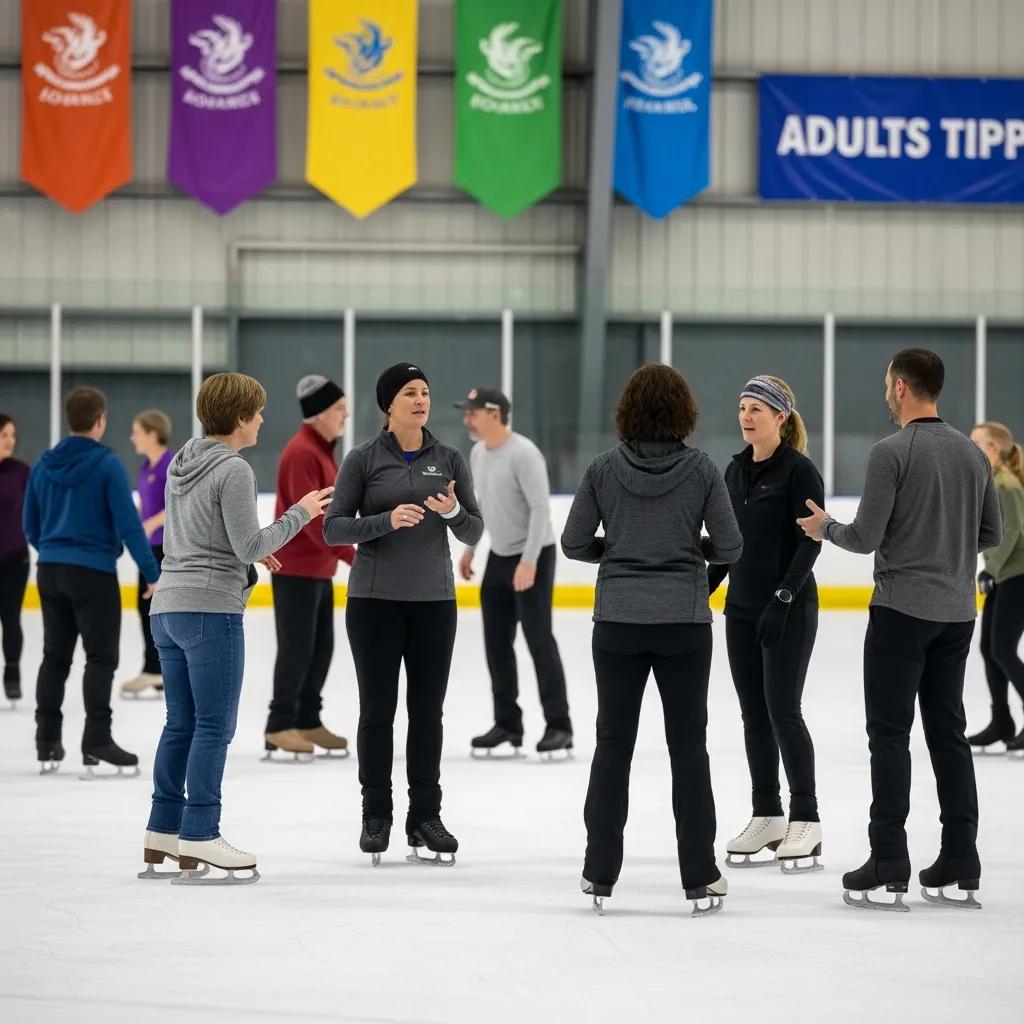
Community support speeds up coach discovery, keeps motivation high, and shares practical tips that boost lesson value. Adult skating groups help new skaters reduce anxiety, find adult‑friendly coaches, and crowdsource honest feedback on teaching styles and results. Peer stories and community practice groups provide low‑pressure ice time that complements private lessons. Below are a few anonymized examples showing realistic progress patterns and how Adults Skate Too products and community resources can support your search and practice routine.
Peer success stories are powerful because they show what’s possible: a beginner who passed initial skill tests after a year of steady private‑plus‑group training; a late‑start skater who landed a first jump following focused technique sessions; a recreational skater who rebuilt fitness and confidence through weekly classes. These stories set realistic expectations and give you examples to ask for when vetting coaches.
Success Stories That Build Confidence
Short success stories demonstrate how the right coach match transforms an adult skater’s experience — from improving edge control and landing a new spin to performing in a low‑pressure showcase. These testimonials commonly credit consistent lessons, a coach who understood adult learning curves, and structured practice routines. Sharing stories in community forums helps others find compatible coaches and reduces the fear of starting or returning to the ice. Encouraging members to post progress updates strengthens the network and provides real, actionable references for coach selection.
How Adults Skate Too Supports Your Journey
Adults Skate Too LLC supports adult skaters with community building and products that make practice and travel more comfortable while reinforcing belonging and motivation. Practical items like comfortable shirts, durable skate bags, and rink‑friendly lanyards solve small logistics problems, while stickers and apparel help you feel part of a community that shares coach recommendations and progress stories. Thoughtful gear can make trips to the rink easier and help you stick to lessons, stretching the value of your coaching investment. Our product lines and community forums are designed to help adult skaters find gear and share coach‑finding tips within a supportive global network.
| Channel | Reliability for Coach Leads | Suggested Use |
|---|---|---|
| Adult‑skater communities | High for personal referrals | Post specific requests and ask about recent student outcomes |
| E‑commerce communities & product groups | Medium | Share gear tips and ask for coach suggestions in groups |
| Directory listings | Medium | Use for initial vetting, then verify with community feedback |
These channels work together to support coach discovery and help you keep training consistently.
Frequently Asked Questions
What should I consider when scheduling lessons with a coach?
Think about your weekly availability, the coach’s schedule, and how often you can realistically practice between lessons. Look for coaches who offer flexible times if you work or care for family, and ask about make‑ups and cancellation policies. Laying out scheduling expectations up front will help you find a rhythm you can stick with.
How can I assess a coach's teaching effectiveness during a trial lesson?
During a trial, notice how clearly the coach explains drills, whether feedback is specific and actionable, and how attentive they are to safety and warm‑ups. Pay attention to how supported and challenged you feel. A clear plan and simple take‑home cues after the lesson are strong signs of effective teaching.
What are the benefits of group lessons compared to private coaching?
Group lessons lower your per‑session cost, offer more ice time, and provide social motivation. They’re great for repetition and building confidence. Private lessons deliver tailored instruction and faster technical progress. Many skaters get the best value by mixing both formats.
How can I ensure my coach understands my specific skating goals?
Be direct about your goals in the initial interview and during trial lessons. Ask the coach how they would structure a plan for those goals and request examples of how they’ve helped other adult skaters with similar objectives. A good coach will ask clarifying questions and adapt their approach to your needs.
What should I do if I feel my progress is stagnating with a coach?
Raise your concerns with the coach and ask for a plan review. A helpful conversation may lead to adjustments in lesson focus, homework, or practice frequency. If nothing changes after an honest discussion, consider trying other coaches whose style better matches your learning preferences.
Are there specific certifications I should look for in a coach?
Certifications from organizations like the Professional Skaters Association (PSA) or national skating federations indicate formal training and a commitment to standards. Equally important is direct experience with adult learners — ask for recent adult student examples in addition to credentials.
How can community resources enhance my figure skating experience?
Community groups provide referrals, gear tips, practice partners, and moral support. Local adult sessions and online forums are useful places to ask about coaches, share experiences, and find low‑pressure practice time. Engaging with the community makes the learning curve feel smaller and more enjoyable.
Conclusion
The right coach can change how you experience the ice. Prioritize clear communication, adult‑specific experience, and scheduling flexibility to find someone who supports steady, safe progress. Start by visiting local rinks, asking your community, and booking a trial lesson — then build a plan that fits your life and goals. Ready to take the next step? Explore nearby rinks and community resources to connect with a coach who helps you enjoy the journey.


