
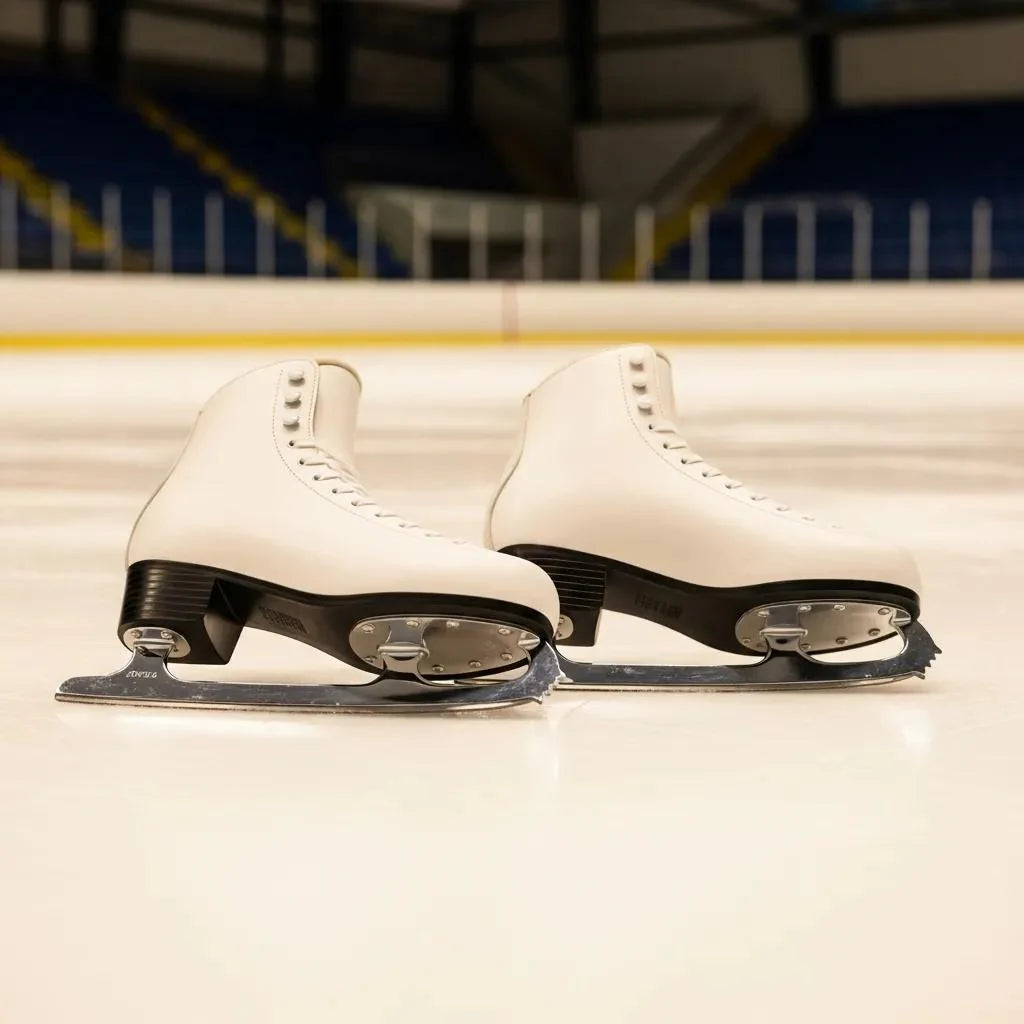
Blade Care for Figure Skates: Guards vs. Soakers — Simple Habits to Keep Your Blades Ready
Guards and soakers both protect your figure skate blades, but they do different jobs. Guards shield the steel from knocks and scrapes when you walk off the ice; soakers pull away leftover moisture and slow rust while your skates are stored. Using each at the right time — and understanding how they work together — is one of the easiest ways to keep edges sharp and reliable. Many adult skaters don’t realize how fast trapped water or a single scrape on concrete can dull an edge or start corrosion. This guide lays out clear routines, what materials and designs matter, and the habits that make the biggest difference for recreational, commuter, and competitive adult skaters. You’ll also find quick decision checklists, side‑by‑side comparisons, and straightforward tips for drying, sharpening cadence, and storage so your skates are ready session after session.
What Are Figure Skate Guards and How Do They Protect Your Blades?
Figure skate guards are hard or semi‑rigid covers that slip over the blade to stop the steel edge from touching abrasive surfaces. They create a physical barrier between blade and ground, cutting down on nicks, burrs, and wear when you walk through rink lobbies, parking lots, or along boards. The big benefit: preserving edge geometry and delaying frequent sharpening so your on‑ice feel stays consistent. Two common mistakes we see are leaving guards on for storage and using light guards for long outdoor walks — both can damage guards and trap moisture against the blade. Use guards for walking protection, then switch to storage care to guard against corrosion.
What materials and types of skate guards are available?
Guards come in a few common styles: hard plastic channels, walkable rubber or polyurethane soles, spring‑clip designs, and screw‑on molded options. Hard plastic guards are light and durable for short walks from the car to the rink. Walkable guards add tread and cushioning for safer steps but wear faster on rough ground. Spring‑loaded clips fit a range of blade heights; screw‑fit guards give a tighter, low‑profile hold that many skaters prefer for consistent alignment. Fit matters — blade holder shape and toe‑pick clearance affect fit — so match guard style to your boot and how you plan to use them.
When and how should you use hard guards for walking protection?
Put hard guards on whenever you’ll walk off the ice for short distances to shield the edge from concrete, gravel, or other abrasive surfaces. Avoid long outdoor treks that can wear down guard soles and loosen the fit. To fit a hard guard: seat the blade in the channel, compress the spring or engage the clip, then test stability by gently rocking the skate — a solid fit prevents twisting and reduces fall risk. Choose walkable‑tread guards for slippery or uneven ground, and replace them when the tread shows heavy wear. Always remove guards before stepping back onto the ice, and follow a post‑skate drying routine so moisture doesn’t get trapped under covers.
How Do Figure Skate Soakers Prevent Rust and Maintain Blade Quality?
Soakers are soft, absorbent blade covers — usually microfiber, fleece, or terry cloth — that pull residual moisture from the blade and help prevent oxidation while skates are put away. They’re simple and effective: the fabric hugs the steel, wicking away sweat and condensation that would otherwise encourage microscopic corrosion. Using a soaker after every session shortens the time moisture sits on the blade and lowers the risk of pitting, so edges stay truer between sharpenings. Pick a soaker material that fits your routine, and keep them clean and dry so they keep working.
What materials make effective soakers for moisture absorption?
Microfiber, fleece, and terry cloth each behave a little differently. Microfiber wicks quickly and dries fast — a great choice for frequent skaters who need quick turnarounds. Fleece adds cushioning and handles moderate moisture. Terry cloth soaks up a lot but takes longer to dry and may need replacing sooner. Microfiber usually sheds less lint and stands up to machine washing; terry and fleece can trap particles that should be laundered away. Match the material to how often you skate and how you store your gear.
How to properly use soakers for skate storage and rust prevention?
After every session, towel‑dry the blade and the boot/plate area, then slide a clean, dry soaker snugly over the blade so it contacts the steel evenly without trapping pockets of water. Replace or wash soakers regularly — microfiber often lasts longer between washes. Store skates upright in a cool, dry spot (avoid humid basements or a damp car trunk), and don’t leave hard guards on for long‑term storage — they can trap moisture against the blade. These simple steps form a practical post‑skate checklist that, paired with guards for walking, keeps blades rust‑free and ready to perform.
What Are the Key Differences Between Hard Guards and Soft Soakers?
Think of guards and soakers as partners: guards stop mechanical damage when you walk, while soakers control moisture and corrosion when you store skates. Guards are made from rigid plastics, rubber, or treaded composites for impact and traction; soakers are absorbent textiles like microfiber or fleece. Their lifespans and care differ: guards last longer but may need sole replacement; soakers require regular washing and occasional replacement to stay effective. The table below lays out these differences so you can match product features to how you actually skate.
| Protection Type | Primary Function | Typical Materials | Best Use Case |
|---|---|---|---|
| Hard Blade Guards | Keep edges from getting nicks and physical damage | Plastic, rubber, polyurethane | Short walks off‑ice and car‑to‑rink transport |
| Walkable Guards | Give traction and walking comfort off the ice | Rubber or treaded polyurethane | Uneven or slippery surfaces and outdoor transfers |
| Soft Soakers | Absorb moisture and slow rust during storage | Microfiber, fleece, terry cloth | Post‑skate storage and short‑term moisture control |
How do guards and soakers differ in function and usage?
Guards act as a mechanical shield against chips and edge deformation; soakers manage moisture to slow oxidation and rust. Use them in sequence for full protection: guards for walking, then towel‑dry → soaker for storage. For a car‑to‑rink trip, a hard guard prevents immediate abrasion; when you’re done, towel the blade and slide on a soaker before stashing your skates. For long‑term storage, rely on soakers in a dry spot and avoid leaving hard guards on — they can trap moisture and invite corrosion. Understanding this split keeps your gear functioning and makes maintenance simple.
What common misconceptions exist about guards vs. soakers?
Common myths include thinking guards are fine for long‑term storage, that soakers protect against physical knocks, or that one product fits every blade. In reality, hard guards can trap moisture during storage and start corrosion, while soakers won’t stop concrete dings. The right habit is drying → soaker for storage → guards for walking. Teaching fellow skaters these differences saves money and prevents avoidable damage.
Why Do Adult Figure Skaters Need Both Guards and Soakers for Blade Care?
Adult skaters benefit from both because the two products protect against separate threats: mechanical wear and chemical corrosion. Together they form a simple routine that preserves edge geometry and delays unnecessary sharpening. For busy adults juggling work, travel, and lessons, using guards when you move off‑ice and soakers during storage reduces surprise sharpening needs and keeps blades usable longer. Routines will vary by skater type — casual, commuter, or competitor — and the sections below show practical sequences that fit those lifestyles.
How do guards and soakers complement each other in blade maintenance?
The sequence is straightforward: dry the blade, slide on a soaker for storage, and use a hard guard only when walking off‑ice. Drying first removes free water so the soaker soaks up residual moisture instead of creating a wet pocket; guards then protect the edge during brief exterior movement. Skipping steps risks rust (storing wet under a guard) or edge damage (walking without guards). Small habit changes — like carrying a spare towel in your bag — pay off in blade longevity and consistent performance.
What blade protection routines suit different skating styles and needs?
Tailor your routine to how you skate. Casual skaters get by with a quick dry‑and‑soak workflow. Commuters who travel with skates need durable walkable guards plus reliable soakers. Competitors should add daily inspections and a sharpening schedule. Example: a lesson attendee can follow three quick steps — towel dry, soaker on, hard guard for short transit — while a competitive skater might towel dry, fit a soaker, inspect the edge under bright light, and log sharpening intervals. Pack a microfiber towel and compact guards in your bag to make these steps painless.
How Can You Choose the Right Figure Skate Blade Accessories for Your Needs?
Choosing the right accessories comes down to fit, material performance, frequency of use, and how you travel or store your skates. Fit is critical — blade holders and toe‑picks vary, so check compatibility. Material performance affects how fast a soaker wicks or how long a guard sole lasts on gritty surfaces. Consider price versus lifespan: higher‑quality guards and microfiber soakers often save money long term by reducing replacements and unnecessary sharpenings. The short table below maps product types to common scenarios to make choosing easier.
| Product Type | Best For | Typical Value |
|---|---|---|
| Hard Blade Guards | Short walks and rink transport | Recreational skaters and lesson‑goers |
| Walkable Guards | Commuters and outdoor transfers | Travel and unstable surfaces |
| Microfiber Soakers | Frequent skaters who need quick drying | Daily practice storage |
| Fleece/Terry Soakers | Longer‑term cushioning | Occasional skaters and gentle storage |
What factors to consider when buying skate guards and soakers?
Before you buy, verify compatibility with your blade profile, choose materials that match your routine, check ease of cleaning, and weigh upfront cost against expected lifespan. Fit isn’t optional — poorly fitting guards can slip and cause safety issues, and undersized soakers won’t contact the whole blade. Look for machine‑washable soakers and guard soles that resist grit if you’ll use them outdoors. Reading reviews with these points in mind reduces returns and gets you gear that works as promised.
Which Adults Skate Too products support effective blade protection?
Adults Skate Too LLC focuses on inclusive adult skating and curates accessory collections designed for practical blade care. Our "Guards" collection highlights options for short off‑ice walks and travel; the "Soakers" collection gathers absorbent choices for overnight and longer storage. Use these collections as a starting point — check material, fit adjustability, and cleaning instructions to match your routine. Pair the right products with simple habits and regular blade checks to keep your skates dependable.
What Are Advanced Tips for Figure Skate Blade Care Beyond Guards and Soakers?
Advanced care includes consistent drying, a sharpening cadence that matches your use, proper storage, and routine inspections to catch early corrosion or damage. Dry thoroughly: towel the blade and boot plate, open liners when possible, and air skates in a ventilated spot before packing. Sharpening frequency depends on how you skate — recreational skaters may sharpen a few times each season, while competitors sharpen more often — so track your edge feel in a maintenance log. The table below offers a compact maintenance schedule by task and frequency.
| Maintenance Task | Frequency | Recommended Routine |
|---|---|---|
| Drying after use | Every session | Towel‑dry then air‑dry 10–30 minutes |
| Soaker replacement | Monthly or after saturation | Machine‑wash microfiber; replace if damaged |
| Guard inspection | Weekly | Check for worn soles and a secure fit |
| Sharpening | As‑needed / scheduled | Track edge feel; competitors more frequently |
How to properly dry, sharpen, and store figure skate blades?
Start by removing visible water with a microfiber towel, paying attention to the blade edge and holder area. Let skates air in a ventilated spot for 10–30 minutes before fitting a dry soaker. Sharpen when edges feel dull, catch on ice, or when jumps and spins feel off — document intervals and work with a trusted sharpener. For storage, avoid humid basements and sealed spaces; choose cool, dry shelves and breathable bags with soakers in place but not trapped under hard guards. These steps protect edge geometry and cut down on rust risk while keeping your maintenance predictable.
What are expert recommendations and common mistakes to avoid?
Experts recommend simple, repeatable habits: dry, soak, and use guards for walking — and inspect blades often to catch nicks or early rust. Common mistakes include leaving skates in hard guards for long‑term storage, skipping drying before applying soakers, and failing to replace soakers once saturated. If rust appears, get a professional assessment rather than aggressive DIY fixes that remove metal and change edge geometry. Prevention is far cheaper than restoration.
For more resources and community tips, Adults Skate Too LLC offers curated accessory collections and a community hub where adult skaters share routines, sharpener recommendations, and real‑world maintenance hacks. Join fellow adults to swap tips and keep your blades in top shape season after season.
Frequently Asked Questions
1. How often should I replace my skate guards and soakers?
It depends on use. Inspect hard guards for cracks or worn soles every few months if you skate regularly; walkable guards may wear faster. Soakers should be laundered or replaced monthly or whenever they’re saturated or dirty. Regular checks make it easy to decide when to swap gear.
2. Can I use soakers while walking on the ice?
No. Soakers are for storage and moisture control, not walking. They don’t provide traction and can cause slips. Use hard or walkable guards when moving off the ice to protect both you and your blades.
3. What should I do if my blades start to rust?
Act quickly: gently clean light rust with a rust eraser or very fine steel wool, then dry thoroughly and apply a light protective oil. Avoid aggressive scrubbing that removes metal. If rust is heavy or persistent, have a professional sharpener inspect and restore the blades.
4. Are there specific storage conditions for figure skates?
Yes. Store skates in a cool, dry place away from humidity. Don’t leave skates in hard guards long‑term; breathable bags plus a clean, dry soaker are better for storage. Good conditions prevent rust and help your blades stay performance‑ready.
5. How can I tell if my blades need sharpening?
Blades usually need sharpening when performance drops — difficulty holding edges in turns or jumps, a dull glide, or scraping sounds. Regular inspections and tracking sharpening intervals help you keep consistent edge quality. When in doubt, consult a trusted sharpener.
6. What are the benefits of using both guards and soakers together?
Using both gives complete protection: guards stop mechanical damage during walking, and soakers control moisture during storage. Together they reduce edge wear and corrosion, helping blades last longer and perform better.
7. Can I use homemade alternatives for soakers and guards?
Homemade options exist, but they’re usually less reliable. Commercial guards and soakers are made for fit, abrasion resistance, and moisture control. Investing in quality, purpose‑built products reduces the chance of poor fit or inadequate protection.
Conclusion
Guards and soakers each protect your blades in different ways — and both matter. Build a simple routine: dry, put on a soaker for storage, and use guards for walking. This habit keeps edges truer, reduces rust risk, and cuts down on surprise sharpenings. Browse our curated guard and soaker collections to find the right fit for your skates, and join our community for practical tips and local recommendations to keep your gear in great shape.


