

Setting Realistic Goals for Adult Figure Skating — A Practical Guide to Motivation, Progress, and Community
You balance work, family, and everything off the ice — so realistic goals are the backbone of steady progress and ongoing enjoyment. This guide shows what practical goals look like for adult skaters, why tailored targets improve motivation and retention, and how simple tracking plus community support helps those goals stick. You’ll learn how to use SMART goals for on-ice skills, grow intrinsic motivation while using helpful external cues, and build a practical routine with journals, video, and coach feedback. We also address adult-specific hurdles — limited time, fear of injury, and plateaus — and offer mental tools and scheduling tips to move through them. Finally, we explain how community connection and thoughtfully chosen apparel and accessories can reinforce your skating identity and habits without replacing focused practice, and we include ready-to-use tools and examples.
How Can Adult Figure Skaters Set SMART and Achievable Goals?
SMART goals give adult skaters a simple, repeatable framework: make objectives Specific, Measurable, Achievable, Relevant, and Time-bound. Turning vague hopes into concrete steps reduces overwhelm and makes practice consistent. A short SMART planning routine — assess where you are, choose one priority skill, set a measurable target, and give it a realistic deadline — builds steady momentum. Below are examples and a compact worksheet-style checklist to help you turn motivation into trackable outcomes that fit adult schedules and bodies.
What Are SMART Goals and How Do They Apply to Adult Skating?
SMART breaks a skill into workable parts: Specific names the skill, Measurable sets how you’ll track it, Achievable checks realism, Relevant ties the goal to why you skate, and Time-bound gives a deadline. Instead of “get better at jumps,” a SMART goal could be “land a single Axel approach drill with a controlled two‑foot landing in practice within eight weeks.” That line names the action, the measure, the timeline, and a realistic outcome. For adults, SMART clarity helps you plan focused sessions, get precise feedback from coaches and peers, and adapt goals when life gets busy so progress stays steady without burnout.
How to Break Down Long-Term Skating Goals into Manageable Steps
Break big goals into milestones to avoid burnout and show visible progress. Start with a long-term target — for example mastering a full Axel or increasing spin revolutions — then map sequential milestones that last 4–12 weeks depending on complexity and your schedule. Timebox practice priorities: technical drills, off-ice strength, on-ice integration — and set checkpoint metrics like repetition counts, approach consistency, or revolutions. Small wins at each checkpoint keep motivation alive and give useful data to tweak the plan, keeping the learning curve realistic and confidence-building.
Try a compact worksheet for immediate use: current skill level, next prioritized skill, three weekly micro-goals, how you’ll measure them, and a four-week checkpoint. That structure turns aspiration into routine and points you to the right tracking methods for measurable progress.
What Motivation Strategies Help Adult Skaters Stay Committed?
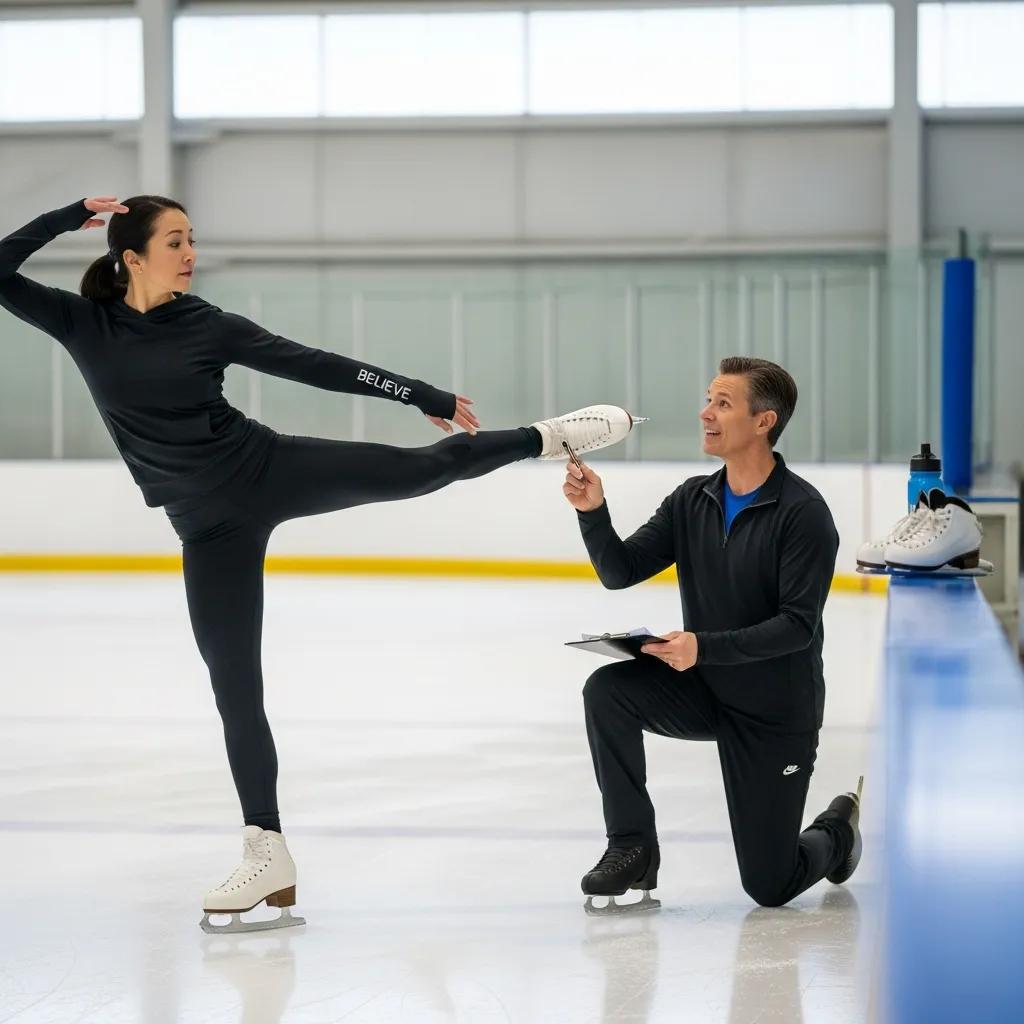
Motivation for adult skaters mixes intrinsic enjoyment with practical external cues so training lasts across months and years. Intrinsic drivers — mastery, the joy of movement, or identifying as a skater — fuel long-term commitment. Extrinsic cues — scheduled events, visible progress markers, or practice partners — jumpstart action. Combine both with habit tools like habit stacking and micro-goals to train consistently even when time is tight. Below are straightforward strategies tailored to adult life that turn ideas into daily habits.
- Habit stacking: attach a short skating ritual to an existing routine to lower friction and increase consistency.
- Micro-goals: break sessions into tiny, clear tasks to rack up frequent wins.
- Accountability partners or small groups: regular check-ins help you show up.
- Scheduled rewards and visible progress markers: celebrate milestones to keep momentum positive.
- Planned rest and cross-training: protect fitness and prevent burnout.
Used together, habit stacking and micro-goals build daily practice while accountability and rewards sustain weekly and monthly engagement. Over time this shifts motivation from reactive to proactive, making steady improvement more likely.
How Does Intrinsic and Extrinsic Motivation Influence Adult Skaters?
Intrinsic motivation — skating for mastery, stress relief, or social connection — creates durable engagement because the activity itself is rewarding. Extrinsic motivators — competitions, gear that signals identity, or public progress posts — can kickstart action but usually need intrinsic reasons to stick long-term. Adults do best when they cultivate inner reasons to skate (skill, wellbeing, community) and use external cues strategically — putting on a meaningful practice shirt, scheduling mock performances, or setting small public milestones — to trigger action. Reflecting on progress helps you internalize wins and stay resilient during plateaus.
What Techniques Prevent Burnout and Sustain Perseverance?
Avoid burnout with planned recovery, realistic pacing, and variety. Use basic periodization — cycle intensity and volume across weeks — mix on- and off-ice work for balance, and schedule rest or active-recovery days. Watch for warning signs — constant fatigue, loss of joy, recurring niggles — and respond with a short recovery plan that lowers on-ice load and emphasizes mobility and restorative work. Mental tools — reframing setbacks as data, keeping deadlines flexible, and celebrating micro-progress — protect perseverance and make returning to hard skills less intimidating.
Revisiting goals after recovery phases keeps objectives aligned with life and physical capacity, supporting long-term enjoyment and participation.
How Can Adult Skaters Effectively Track Their Progress on Ice?
Good tracking turns impressions into objective data so skaters can adjust with confidence and feel rewarded by measurable gains. The core tools are journaling, video analysis, and coach feedback — each has strengths: journals capture patterns and energy, video reveals technical detail, and coaches synthesize priorities. A simple routine — weekly short videos, compact journal notes, and monthly coach check‑ins — creates a feedback loop that spots trends and guides practice. Below is a practical comparison to help you choose the right mix for your commitment level.
Different tracking methods serve distinct purposes and commitment levels.
| Method | Key Strength | Best Use Case |
|---|---|---|
| Journal | Quick to use; captures habits and energy | Casual skaters logging consistency and how they feel |
| Video Analysis | Shows technical detail and movement faults | Regular skaters refining jumps, spins, and positions |
| Coaching Feedback | Objective prioritization and corrective plans | Committed skaters aiming for tests or steady, safe progress |
Combining methods gives the strongest feedback loop: journals highlight patterns, video shows form, and coaches turn that into actions. Even minimal tracking — one short weekly video plus a brief journal note — provides useful insight to steer practice and celebrate progress.
What Are the Best Methods for Progress Tracking in Adult Figure Skating?
Pick tracking methods that fit your goals and time. Casual skaters may rely on simple journals, regular practitioners benefit from periodic video, and those training for tests or competition should prioritize coach-reviewed video. Useful metrics include repetition counts, landing success rate, spin revolutions, and program run‑through quality. Suggested frequencies: a quick journal after each session, a short practice video weekly, and coach reviews monthly or every other month for targeted feedback. Focus on one meaningful metric per goal — like approach consistency for jumps — to keep tracking efficient.
Use consistent, simple metrics and avoid over-measuring. The aim is actionable insight, not more spreadsheets.
How to Use Journals, Video Analysis, and Coaching Feedback for Improvement
A reliable weekly workflow speeds progress: record a short clip, review it and note one technical priority, write a concise journal entry about outcomes and energy, then apply targeted drills and plan a coach review. Use your phone for low-cost video capture and mark timestamps for best attempts with one-line notes. In coach sessions, ask for three prioritized corrections and a short drill list to practice before the next check-in. That loop — record → review → note → practice → coach — creates a predictable rhythm that aligns training with SMART targets and cuts wasted repetitions.
Small, consistent reviews make every practice count and help adult skaters improve within limited time windows.
What Common Challenges Do Adult Figure Skaters Face and How to Overcome Them?
Adults commonly juggle limited practice time, worry about falls or injuries, and hit plateaus that stall visible gains. Address these with realistic schedules, graded exposure to feared elements, and targeted preventive work for strength and mobility. Practical fixes — short focused sessions, cross‑training, and conservative progressions — lower injury risk while keeping technical gains. Below are common obstacles paired with concrete solutions to help you move forward safely and sustainably.
- Time constraints: use short micro-practices and prioritize drills with the most transfer.
- Fear of falls: use graded exposure — start with partial drills and build complexity as confidence grows.
- Injury risk: add strength, mobility, and thorough warm-ups to protect joints and soft tissue.
- Plateaus: vary drills, seek fresh coaching input, and revisit fundamentals.
Applying these adjustments consistently keeps training effective while respecting adult responsibilities and physiology, reducing the chance of long interruptions.
How to Manage Time Constraints, Fear, and Injury Risks?
Manage time by prioritizing short, focused sessions that target one priority rather than long, unfocused blocks. Micro-practice — 10–20 minute focused drills — adds up and fits around work and family. For fear, use graded exposure: begin with low-risk partial elements and only increase difficulty when technique and confidence allow. Injury prevention centers on strength, mobility, and load management — include short off-ice prehab routines and restorative days to keep tissues resilient. When pain or injury is unclear, consult a medical professional; cautious choices protect long-term skating.
These measures reduce disruptions and help align practice with adult recovery capacity and schedules.
What Mental Strategies Help Overcome Plateaus and Mental Blocks?
Visualization, reframing, and acceptance are useful when physical practice stalls. Visualization reinforces motor patterns and eases anxiety; reframing turns plateaus into useful feedback rather than failure; acceptance reduces pressure and improves focus. Simple mental routines — one-minute visualization before attempts and a short reflective journal entry after — embed psychological skills into training and help small technical changes stick.
If mental blocks persist, a coach or sports psychologist can provide structured tools and guided interventions to restore momentum.
How Does Building a Supportive Community Enhance Adult Skating Goals?
A supportive community amplifies motivation through accountability, encouragement, and shared know-how — especially valuable for adults outside youth systems. Peer groups model progress, offer on-the-spot feedback, and create rituals that keep practice consistent. Joining local clubs, online forums, or hobby groups brings fresh perspectives and mentorship that sharpen goals and sustain enthusiasm. Below are practical ways to connect and use community resources to support your skating journey.
- Join a small accountability group or pair with an ice buddy for regular check-ins and reminders.
- Share goal updates and short video clips with peers to get constructive feedback and celebrate wins.
- Try community challenges or virtual events to create deadlines and fresh motivation.
Those engagement patterns build social scaffolding that keeps training steady during busy seasons and turns personal goals into shared, enjoyable routines. Community connections also open doors to mentorship and faster learning.
What Role Does Peer Support and Mentorship Play in Motivation?
Peer support delivers timely encouragement, models technique, and offers practical feedback that often feels more relatable than formal coaching. Mentors bring experience, help set realistic milestones, and model long-term strategies that are especially valuable for adult learners. Simple structures — regular check-ins, paired feedback sessions, or informal mentorship agreements — create dependable accountability and improve follow-through on SMART goals. Asking for targeted feedback (for example, “What one thing should I change about my jump approach?”) makes peer input specific and actionable.
These supports raise both skill and confidence, helping adult skaters stay motivated and safely ambitious.
How to Engage with Online and Local Adult Skating Communities?
Start proactively but selectively: introduce yourself with a clear statement of goals, share a short video or concise journal note, and ask one targeted question to invite helpful replies. Locally, attend public sessions, join adult-skater clubs, and ask rinks about small-group practices; online, look for moderated communities or focused Discord groups for adult skaters. Choose spaces with positive moderation and constructive norms to avoid unhelpful comparisons. Contribute regularly — offer feedback, post small wins, or help organize informal events — to build social capital and a stronger network.
Using community as a resource makes accountability and learning consistent, which supports long-term progress and enjoyment on the ice.
How Can Empowering Apparel and Accessories Support Adult Skaters' Goal Setting?
Apparel and accessories act as identity cues and practical habit supports that reinforce commitment without replacing structured practice. Wearing a favorite practice shirt, keeping a sticker-based milestone tracker on your gear, or storing a journal in an easy-to-reach pouch creates cues that prime consistent behavior. Small, practical items — zip pouches for journals, lanyards for rink passes — reduce friction and make tracking simpler. Mapping product types to their psychological and practical benefits helps you choose items that genuinely support SMART goals and habit formation.
Below is a simple map of product categories to psychological benefits and practical uses so you can pick items that support progress instead of distracting from it.
| Product Category | Psychological Benefit | Best Use Case |
|---|---|---|
| Motivational shirts | Reinforces identity and confidence | Wear for focused practice or test days |
| Stickers & patches | Visible milestone reminders | Mark completed goals on a gear journal or board |
| Zip pouches & bags | Reduce friction; organize tools | Keep journal, resistance bands, and tape together |
| Digital downloads (trackers) | Turnkey tracking templates | Use weekly trackers to log metrics and goals |
Intentional choices make apparel and accessories part of a ritual system that cues practice, celebrates milestones, and lowers barriers to consistent training.
Which Apparel and Accessories Boost Confidence and Identity?
Certain items act as confidence anchors: a go-to practice shirt, a distinctive lanyard, or a milestone sticker can signal commitment and create a repeatable pre-ice routine. Psychologically, these items help form the identity of “someone who trains,” which supports persistence. Practically, stickers and patches provide visible rewards, while zip pouches keep tools accessible. Choosing a small set of dependable items aligned with your goals builds reliable pre- and post-ice rituals that support measurable progress.
Wearing or using these items only during focused sessions turns them into cues that reinforce SMART planning and steady practice.
How to Integrate Motivational Products into Your Skating Journey?
Use products with simple, purposeful rituals so they support behavior without becoming the main motivation. For example: wear a motivational tee for focused training days, add a sticker to your journal when you hit a milestone, keep your practice journal in a zip pouch on the bench, and use a small bag to carry drill tools for quick access. Keep it minimal — one identity piece, one organizational tool, and one tracking aid — to reduce friction and increase consistent use. Digital trackers can streamline weekly logging and make journaling repeatable.
These patterns keep the focus on practice and measurable progress while using apparel and accessories as helpful cues and organizers.
Adults Skate Too LLC supports adult skaters with apparel, accessories, and digital downloads designed to strengthen identity and simplify tracking. Our collections — shirts, long sleeves, tanks, leggings, stickers, lanyards, zip pouches, bags, and downloadable trackers — provide practical tools you can fold into the rituals above to reinforce consistency and celebrate milestones.
This guide gives adult skaters a practical framework for SMART planning, motivation, tracking, challenge management, community engagement, and intentional product use so you can sustain progress and enjoyment on the ice.
Frequently Asked Questions
What are some common mistakes adult figure skaters make when setting goals?
Common missteps include aiming too high without accounting for available time, skipping the step of breaking long-term goals into manageable milestones, and not adjusting goals when life changes. Many adults also forget to blend intrinsic and extrinsic motivation or fail to track progress clearly, which leads to frustration. Spotting these pitfalls helps you set more realistic, achievable goals.
How can adult skaters balance their skating goals with other life responsibilities?
Balancing skating with work and family takes deliberate planning. Prioritize short, focused sessions, use micro-practice techniques, and set specific time‑bound goals that fit your schedule. Build flexibility into your plan so you can shift priorities when life demands it. Simple integrations — warming up before work, using short lunchtime drills, or scheduling a weekly focused session — help maintain consistency without overwhelming other responsibilities.
What role does mental resilience play in adult figure skating?
Mental resilience matters for managing fear of falls, performance anxiety, and plateaus. Building resilience means practicing visualization, positive self-talk, and reframing setbacks as learning opportunities. Mindfulness and stress-management exercises improve focus and reduce anxiety during training. Strong mental habits help you stay motivated and bounce back from obstacles.
How can adult skaters effectively use feedback from coaches and peers?
Use feedback by asking for specific, actionable input and staying open to constructive criticism. Request one or two priority items to work on rather than broad comments. Regularly review feedback, record progress, and fold corrections into practice routines. Creating a feedback loop — record, reflect, adjust — turns input into measurable improvement and boosts confidence.
What are some effective ways to celebrate milestones in adult figure skating?
Celebrating milestones keeps motivation alive. Reward yourself with new gear, a special outing, or a small treat after achieving a goal. Share wins with peers or community groups for social reinforcement. Visual trackers like milestone charts or journal entries let you look back and appreciate how far you’ve come, which makes the journey more satisfying.
How can adult skaters find the right community for support and motivation?
Look for local clubs, online forums, and social groups that focus on adult skating and foster a supportive, positive atmosphere. Attend public sessions, join adult-skater groups, and engage in discussions. Seek communities with clear moderation and constructive norms to avoid discouraging comparisons. Volunteering, offering feedback, or helping organize small events builds connections and attracts mentors who accelerate your progress.
Conclusion
Realistic goals give adult skaters a practical path to balance life and progress on the ice. Using SMART planning, simple tracking, and community support makes steady improvement both achievable and enjoyable. Thoughtful apparel and accessories can reinforce identity and routine without replacing focused practice. Ready to start? Explore our products and downloadable trackers to make your next steps clearer and easier to follow.