
No, you're not too old, and you don't need to be fit, flexible or fearless to start figure skating. Rent skates, take an adult group class, expect a few falls, and let your progress come at its own pace. Here are short, honest answers to the questions adult beginners ask most, with links to our guides when you want more.
Key takeaways
- Adults start skating at every age, and U.S. Figure Skating runs adult tests and competitions for skaters 21 and over.
- You don't need to get fit first. Skating builds strength and balance as you go.
- Falling is part of learning, and a good class teaches you how to fall safely in your first lessons.
- Rental skates and stretchy layers are enough to start. Buy your own, properly fitted, once you know you're hooked.
- How quickly you progress depends on how often you skate and how much coaching you get, so try not to measure yourself against anyone else.
Every week we hear from adults who are thinking about figure skating, and the messages often start the same way: this might be a silly question, but. It isn't. You're thinking about strapping blades to your feet and stepping onto ice, so of course you have questions.
These are the ones we hear most, each with a short answer and a link to the guide that goes deeper. If you'd like the whole picture in one place, start with our guide to starting figure skating as an adult.
Am I too old to start figure skating?
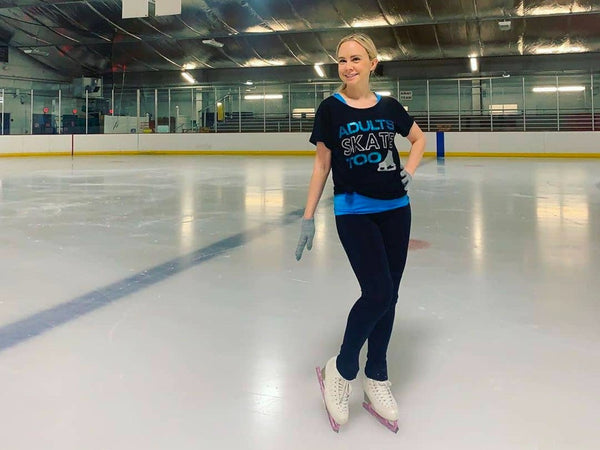
No. Adults start figure skating in their 20s, their 50s and well beyond. U.S. Figure Skating has adult tests and competitions for skaters 21 and over, and about 490 adults competed at the 2026 U.S. Adult Figure Skating Championships, the oldest of them 85.

What changes with age is mostly how you learn. Adults tend to be more careful than kids, because we know what an injury would mean for work and family, and we usually want to know why a skill works. Both are fine. You probably won't land a triple jump, but you can learn edges, turns, spins and your first jumps, pass adult tests and skate to music you love.
This is general information, not medical advice, so if you have a health condition or an old injury, check with your doctor before you start. And if you skated as a kid, our guide to coming back to figure skating as an adult is written for you.
Do I need to be fit or flexible first?
No. Skating builds strength and balance as you go, and your first classes start with standing, marching in place and gliding on two feet. Expect sore thighs, calves and ankles after the first few sessions, because you're using muscles in new ways. That's normal, and it eases as you get used to it.
Flexibility helps with some moves later on, like spirals and some spin positions, but you don't need it to start or even to pass your first tests. Gentle stretching after you skate can help you feel less stiff, and our stretching routine keeps it simple. If you'd like to build strength between sessions, our guide to off-ice training has exercises you can do at home.
Skaters come in every shape and size. If you're a bigger adult, a boot with a little more support makes a real difference, so mention it to your fitter. Our skate fitting guide explains what a good fit feels like.


Your water bottle is looking a bit bare
Holographic skating stickers, kiss-cut and water-resistant. Pick three and the price drops on its own.
Build a bundleHow long does it take to learn?
It depends on how often you skate, how much coaching you get, your natural balance and a bit of luck. Some adults find their feet in a few sessions and others take longer, and both are completely normal. Neither tells you how far you'll go.
Most beginner classes start with standing, gliding, a first stop and how to fall. Forward stroking, one-foot glides and backward skating come next, then crossovers, edges and turns, and spins and small jumps after that. Our page on your first 30 days covers the first month, and our guide to starting figure skating as an adult has a rough outline of the first six months.
What makes the biggest difference is regular ice time and a little practice between lessons. Once a week is enough to make progress, and skating more often helps new skills stick. Our tips for adult beginners cover how to practice on your own.
What if I fall?
You will, and so does everyone, including Olympic skaters in practice. Most beginner falls happen at low speed and end with a wet backside rather than an injury. A good class teaches you how to fall in the first lessons: bend your knees, go down sideways onto your hip, tuck your chin and keep your hands in.
Practicing falls on purpose takes a lot of the fear out of them. Padding is completely normal too. CRS Cross padded figure skating shorts cushion your hips and tailbone, and knee pads and helmets are common at adult classes. Our guides to falling safely and getting back up and building confidence on the ice go further.
Sore muscles and a bruise or two are part of learning. Stop and get checked if a fall leaves you with sharp pain, swelling, numbness or a knock to the head.
What do I need to start?
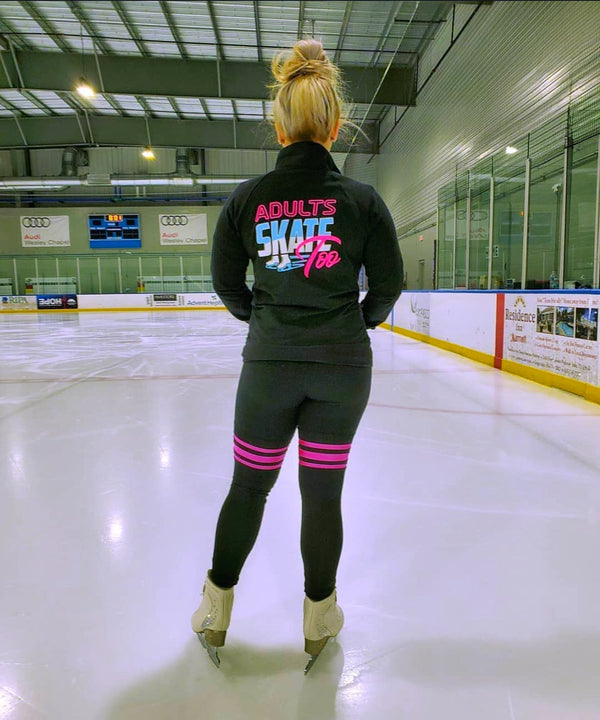
Very little. Wear stretchy pants or leggings, warm layers you can take off, one pair of thin socks that come up above the top of the boot, and gloves, because your hands will touch the ice. Rental skates are fine for your first sessions. Our guide to what to wear ice skating has more detail.
Once you know you're sticking with it, your own figure skates are the biggest upgrade you can make. Get fitted in person at a skate shop or your rink's pro shop, because skate sizes don't match street shoes and vary by maker. Our fitting guide and our guide to the best figure skates for adult beginners help you choose.
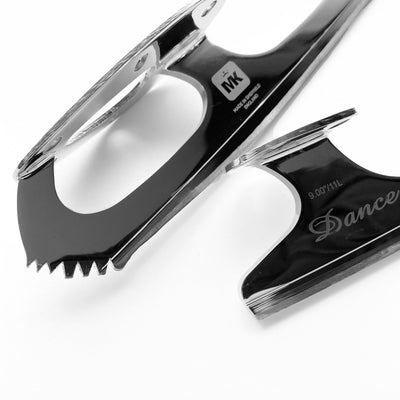
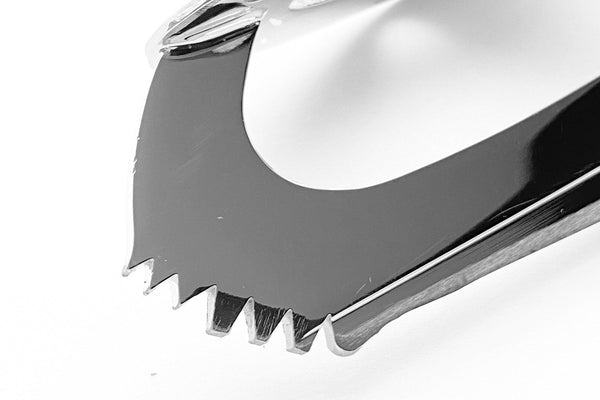
Figure skates or hockey skates? If you want to learn spins, jumps and edges, get figure skates. Their blades have a toe pick at the front and a curve along the bottom that figure skating skills are built around. Hockey skates are fine for cruising around a public session, but they'll make figure skating harder to learn.
Should I take group or private lessons?
Most adults start with a group class, and it's a good way in. Many rinks run adult classes through Learn to Skate USA, which takes you through the basics in order, and you'll meet other adults at the same stage. Ask your rink what they offer for adults, since the schedule doesn't always show it clearly.
Private lessons give you a coach's full attention. Many adults add them once the basics feel steady, or start with one if there's no adult class nearby. Look for a coach who enjoys teaching adults and can explain why a skill works. Our guide to choosing a coach covers what to ask, and our first lesson checklist helps you get ready.
How much does figure skating cost?
Less than you might fear to get started, and more as you get serious. Your first sessions cost a class fee or public session admission plus skate rental. Later on, the main costs are lessons, ice time, your own skates and sharpening, and prices vary a lot from rink to rink and region to region.
Our article on the real cost of adult figure skating breaks it down and has ideas for keeping it manageable. Asking your rink about class packages and passes for adult sessions is a good place to start.
Can adults test and compete?
Yes, if you'd like to, and it's completely optional. U.S. Figure Skating has an adult test track that runs from Pre-Bronze up through Adult Senior, and adults can take standard-track tests too. Our guide to tests for adult skaters explains how they work.
Most adults start competing at a local club competition, where adult events are split by level and often by age. Further on there are adult sectional championships and the U.S. Adult Figure Skating Championships, and some rinks run ISI competitions instead. Our page on preparing for your first adult competition covers entering, music and what to expect on the day.
Sources
The competition figures come from U.S. Figure Skating's own coverage, and the test and competition details match our guides to adult tests and competitions. Rules change from season to season, so check with your club or coach before you rely on any detail here.
- U.S. Figure Skating, coverage of the 2026 U.S. Adult Figure Skating Championships (April 2026): the number of competitors and the oldest competitor's age.
- Adults Skate Too, tests for adult skaters and preparing for your first adult competition: the adult test track, the age of adult events and how adult competitions are organized.
- Adults Skate Too, falling safely and your first 30 days: how to fall, and what a first month of classes usually covers.
- U.S. Figure Skating, The 2026-27 Official Rulebook, rules 5012 and 6212 (pp. 151 and 165): the eight adult skating skills and singles test levels, from adult pre-bronze to adult senior.