
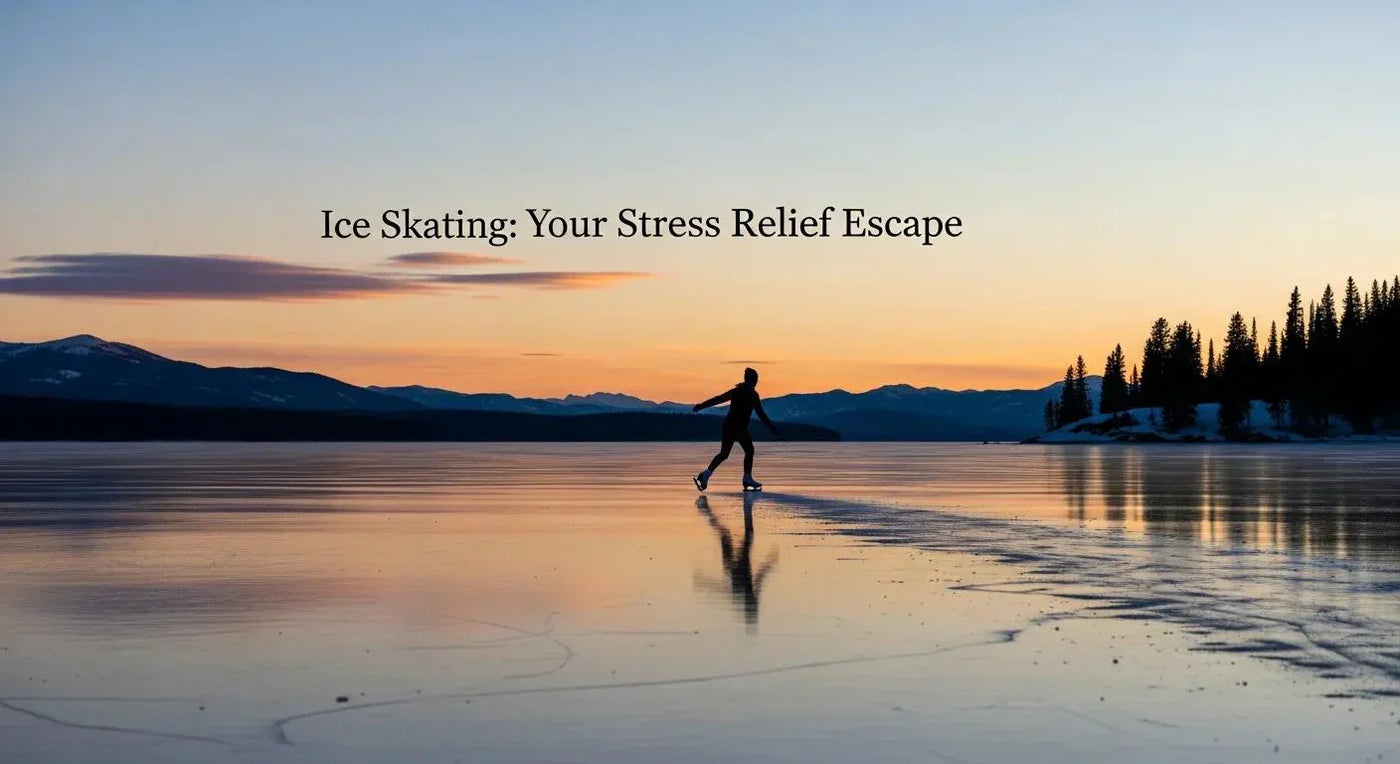
Adult Ice Skating: A Scientifically-Backed Path to Stress Reduction and Enhanced Well-being
This comprehensive analysis is structured to provide maximum clarity and actionable insights: first, we establish the scientific foundations of skating's stress-relief mechanisms; next, a plain summary of the main mental-health benefits of ice skating with a compact comparison table; then, easy mindfulness-on-ice tips and short exercises; after that, how adult ice skating communities help emotionally and where to find them; subsequently, the physical skating benefits that support stress reduction with a training-focused table; and finally, how purpose-built apparel boosts comfort, confidence, and identity, plus a note about Adults Skate Too LLC as a resource. Each section includes clear lists and evidence-based guidance so you can apply these ideas on the ice right away.
The Scientific Foundations of Skating for Stress Reduction
The efficacy of adult ice skating as a stress-relief modality is firmly rooted in established neuroscientific and psychological principles. Engaging in moderate-intensity physical activity, such as skating, triggers a cascade of beneficial physiological responses that directly counteract the effects of stress. Key mechanisms include:
- Neurotransmitter Modulation: Sustained aerobic exertion stimulates the release of endorphins, the body's natural opioids, which produce feelings of euphoria and pain relief. Concurrently, monoamines like serotonin, dopamine, and norepinephrine are regulated, contributing to improved mood, motivation, and cognitive function. This neurochemical rebalancing is crucial for alleviating symptoms of anxiety and depression.
- Cortisol Regulation: Regular physical activity has been shown to blunt the acute stress response, leading to a more stable baseline of cortisol, the primary stress hormone. This physiological adaptation enhances the body's ability to manage stressors more effectively over time.
- Autonomic Nervous System Balance: Skating improves heart rate variability (HRV), a key indicator of a healthy and adaptable autonomic nervous system. Enhanced HRV signifies a greater capacity for the body to shift between "fight-or-flight" (sympathetic) and "rest-and-digest" (parasympathetic) states, promoting overall resilience to stress.
- Cognitive Engagement and Flow States: The intricate motor skills required in figure skating demand focused attention, effectively redirecting rumination and negative thought patterns. This cognitive engagement, particularly when challenges align with skill levels, facilitates the entry into "flow states"—periods of deep immersion and heightened performance where self-consciousness fades, leading to profound psychological restoration and a sense of accomplishment.
- Social Buffering: Human connection is a powerful antidote to stress. Participation in adult skating communities provides social support, which research indicates can significantly lower physiological stress responses and foster a sense of belonging, thereby reducing feelings of isolation and enhancing emotional well-being.
These interconnected mechanisms underscore why adult ice skating is not merely a pastime, but a comprehensive, evidence-based intervention for enhancing mental and physical health. Understanding these foundational principles empowers skaters to maximize the therapeutic potential of their practice.
What Are the Mental Health Benefits of Adult Figure Skating?
Building upon the scientific foundations outlined previously, adult figure skating integrates aerobic movement, skill-building, and social interaction to profoundly impact mental health. The comprehensive skating benefits manifest as significant neurochemical shifts, robust psychological gains from learning and mastery, and crucial social buffering that actively reduces isolation. These synergistic effects contribute to immediate mood elevation post-session and foster long-term improvements in resilience and mental clarity. Below is an overview of the most common mental-health outcomes consistently observed with regular skating practice.
Adults who use skating as a stress-management tool often notice consistent improvements:
- Lower anxiety from steady exertion and concentrated attention.
- Better mood tied to endorphin release and a sense of accomplishment.
- Higher self-esteem as skills and goals progress.
- Stronger social bonds that buffer stress and loneliness.
These effects reinforce one another—feeling physically better helps you learn, and social support keeps you coming back—making skating an efficient, layered approach to stress relief. Knowing these core benefits helps when you choose gear and build a consistent practice.
Different mental-health gains come from distinct mechanisms; the table below maps common outcomes to their main drivers and practical tips to get the most from each.
This quick comparison shows how movement, mastery, and social contact combine to deliver wide-ranging mental-health benefits.
| Mental-Health Outcome | Primary Mechanism | Practical Tip |
|---|---|---|
| Anxiety reduction | Endorphin release + focused attention | Aim for 30–45 minutes of moderate skating 2–3× weekly |
| Mood elevation | Neurotransmitter shifts after exercise | Use music or simple choreography to boost enjoyment during sessions |
| Self-esteem and mastery | Progressive skill learning and goal setting | Track small technical goals (for example, a cleaner edge or a single jump) |
| Social connectedness | Peer support and group identity | Join adult sessions or practice groups to make skating a habit |
This table helps you choose strategies that focus on the benefits you want most. Next, we’ll look at the physiological and cognitive pathways through which skating lowers anxiety and depressive symptoms.
How Does Ice Skating Help Reduce Anxiety and Depression?
Ice skating effectively mitigates anxiety and depressive symptoms through a sophisticated interplay of physiological regulation, cognitive redirection, and vital social contact. As detailed in our scientific foundations, sustained moderate skating optimizes neurotransmitter balance and blunts cortisol spikes, leading to a demonstrably calmer baseline mood post-practice. Cognitively, the demands of technical drills and choreography serve to interrupt repetitive negative thought patterns, fostering mastery experiences that directly counter feelings of helplessness. Socially, even informal interactions during adult sessions provide invaluable encouragement and shared purpose, actively reducing loneliness—a significant risk factor for depression. These integrated mechanisms not only provide immediate relief after a session but also cultivate long-term resilience when skating is adopted as a consistent practice. Next, we’ll explore how mindful attention on the ice sharpens focus and mental clarity.
In What Ways Does Skating Boost Mood and Emotional Well-Being?
Skating profoundly lifts mood by expertly mixing steady movement, creative expression, and tangible achievement. Short-term boosts occur reliably during and immediately after skating because exercise elevates endorphins and dopamine levels, while choreography provides a powerful outlet for emotional expression. Over time, the process of learning new skills and achieving progressive goals systematically builds self-efficacy, which significantly enhances one's capacity to manage daily stressors. Incorporating music, themed routines, or small performance targets further amplifies emotional payoff and strengthens adherence to the practice. These cumulative mood gains naturally transition into mindful movement strategies that deepen focus and unlock additional benefits on the ice.
How Does Mindfulness on Ice Enhance Focus and Cognitive Clarity?
Mindfulness on ice entails the deliberate direction of your attention to body sensations, breath, and the nuanced quality of movement while you skate. This is not generic meditation; rather, it is a specialized practice that intrinsically links breath and balance feedback to the specific motor skills being trained, thereby strengthening attentional control under physical challenge. The demonstrable benefits include superior attentional control, a marked reduction in rumination, and improved sensorimotor integration, all of which collectively sharpen cognitive clarity both during and after practice. Below are practical, approachable exercises to integrate into your on-ice routine.
Try these short on-ice mindfulness exercises to build focus and clarity:
- Pre-skate breath routine: Take three slow diaphragmatic breaths while balancing on one foot to settle into the session.
- Single-element focus: Pick one technical element (edge control or crossovers) and do ten repetitions while counting breaths to anchor attention.
- Sensory scan cool-down: After practice, spend three minutes scanning from toes to head, noticing tension release and your breathing.
These micro-practices seamlessly integrate into warm-ups and cool-downs and serve as foundational steps toward achieving longer, more profound flow states, which we cover next.
What Is the Role of Mindful Movement in Figure Skating?
Mindful movement critically links technique and emotional regulation by focusing deliberate attention on one specific motor variable at a time—be it edge pressure, weight shift, or breath timing—across repeated attempts. Short, focused drills lasting 2–5 minutes, where concentration is directed toward a single cue, significantly accelerate sensorimotor learning and effectively reduce distracting thoughts. This heightened, focused attention not only accelerates skill acquisition but also demonstrably reduces stress and optimally prepares skaters to perform better under pressure. Both coaches and self-guided skaters can strategically incorporate these brief, targeted drills into each session to reinforce learning and cultivate performance composure.
How Does Skating Promote Flow State and Concentration?
Skating inherently encourages the attainment of flow states by consistently offering clear challenges that are precisely matched to the skater's skill level, providing immediate and unambiguous feedback from the ice, and presenting intrinsically motivating goals such as refining a turn or flawlessly executing a sequence—all conditions scientifically recognized to foster deep focus. When the balance between challenge and skill is optimized, skaters frequently enter an absorbed state where self-consciousness dissipates, the perception of time alters, and performance quality markedly improves—a process that profoundly reduces stress and significantly boosts satisfaction. To intentionally invite flow, plan practice sessions with progressively harder drills, systematically remove distractions, and establish micro-goals that offer immediate feedback (for example, perfecting one turn for ten repetitions). Over time, consistently practicing within this structured framework trains the mind to access flow states more readily, and the enhanced clarity gained invariably extends into other domains of life.
Achieving Flow States in Figure Skating: A Qualitative Investigation
Pioneering qualitative research has meticulously examined how elite figure skaters experience and cultivate flow states. Through in-depth interviews and rigorous analytic review, researchers captured rich, firsthand phenomenological descriptions of the flow state, elucidating the precise mechanisms by which athletes enter and sustain this optimal psychological condition.
Source: Jackson, S. A. (1992). Athletes in flow: A qualitative investigation of flow states in elite figure skaters. Journal of Applied Sport Psychology, 4(2), 161-179.
Why Is Community Support Vital in Adult Skating for Stress Relief?
Community engagement is paramount because robust social connection demonstrably boosts motivation, enhances accountability, and provides critical emotional buffering. The principle of social buffering unequivocally demonstrates that perceived social support significantly lowers physiological stress responses, while a strong sense of belonging cultivates identity and establishes routine—both indispensable for consistent practice adherence. Adult skating communities manifest in diverse forms—including dedicated on-ice adult sessions, specialized masters clubs, and vibrant online groups—each offering invaluable opportunities for learning, encouragement, and camaraderie. Peers who genuinely understand the unique challenges and triumphs of skating provide essential sustained support, which is fundamental for accumulating both physical and mental gains. The next section meticulously describes how these communities actively reduce isolation and provides clear guidance on how to effectively get involved.
Adult communities typically provide steady touchpoints that help skaters keep a routine and feel less alone:
- Regular adult-session meetups that combine social contact with structured practice.
- Peer coaching or practice buddies who give feedback and encouragement.
- Social events and casual gatherings that build shared identity and simple rituals.
Those touchpoints make it easier to keep showing up, which drives long-term stress relief and greater enjoyment on the ice.
How Do Adult Skating Communities Reduce Isolation and Build Connections?
Adult skating groups effectively reduce isolation by offering predictable social contact and fostering shared goals, while simultaneously building robust bonds through small rituals, mutual encouragement, and cooperative practice. Regular adult sessions and structured group lessons create low-pressure environments where newcomers can readily meet peers, receive constructive feedback, and celebrate small victories—each action directly counteracting the loneliness that exacerbates stress and low mood. Peer-led initiatives, such as practice buddies or collaborative small-group choreography projects, add significant accountability and emotional value to sessions, thereby helping maintain continuity. For adults adeptly balancing work and family responsibilities, simple rituals—such as monthly informal showcases or grabbing coffee after practice—transform solitary workouts into profoundly social, meaningful routines that are integral to supporting mental health.
What Social Events and Support Networks Exist for Adult Skaters?
Adult skaters have access to a diverse array of events and networks tailored to their comfort level: from casual social skates and themed choreography workshops to informal showcases and local club meetups catering to both recreational and figure skaters. Online groups and social channels complement on-ice activity by facilitating the sharing of drills, offering encouragement, and disseminating event listings, thereby simplifying the process of discovering local opportunities. For those attending for the first time, it is advisable to select a beginner-friendly session, arrive with one small, achievable practice goal, and make an effort to introduce yourself to at least one person—transforming a single visit into a recurring social anchor.
What Physical Health Benefits of Skating Contribute to Stress Reduction?
Skating unequivocally supports stress relief through superior cardiovascular conditioning, significantly improved balance and coordination, and enhanced muscular strength—these are critical skating benefits that collectively lower physiological stress reactivity and optimize daily function. The aerobic and interval training aspects inherent in skating elevate heart rate and activate essential endorphin and neurotransmitter systems, which demonstrably reduce perceived stress and elevate mood. Dedicated balance work refines proprioception and boosts bodily confidence, thereby mitigating worry about injury and ensuring consistent practice. Furthermore, strength gains in the lower body and core musculature support optimal posture and reduce chronic tension, which can otherwise exacerbate stress. The table below meticulously links common physical gains to their specific stress-related mechanisms and offers precise training tips to optimize each benefit.
Use this mapping to prioritize training that delivers the biggest stress-management returns.
| Physical Improvement | Stress-Related Mechanism | Practical Training Tip |
|---|---|---|
| Cardiovascular fitness | Lowers baseline cortisol and improves mood | Include interval sets of 3–5 minutes at elevated effort 2× per session |
| Balance and coordination | Reduces injury fear and improves bodily confidence | Add single-leg drills and edge-control exercises into warm-ups |
| Muscular strength | Reduces chronic tension and supports posture | Incorporate off-ice strength work focused on glutes and core 2× weekly |
How Do Endorphins Released During Skating Aid Stress Management?
As a core component of the physiological benefits, endorphins released during skating function as potent natural pain-relievers and mood boosters, generating a profound calming and rewarding sensation critical for effective stress management. Consistent moderate to vigorous exercise, typically sustained for 20–40 minutes, reliably stimulates these neurochemical pathways, contributing significantly to the well-documented post-skate “lift.” Strategic session structuring—incorporating a warm-up, sustained moderate-intensity periods, and a cool-down with stretches—is essential to maximize this neurochemical benefit while simultaneously mitigating injury risk. The repeated experience of this positive affective state cultivates a strong positive association with practice, thereby reinforcing long-term consistency and robust physiological regulation.
Further substantiating these effects, scientific research has meticulously examined specific neurochemical responses, including beta-endorphin measures, within the context of figure skating performance.
Beta-Endorphin Levels in Figure Skaters: A Biomarker Study
A study employed an ELISA method to quantify antibodies associated with key endogenous bioregulators, including serotonin, histamine, dopamine, glutamate, GABA, orphanin, β-endorphin, and angiotensin, in the blood serum of figure skaters. The findings revealed distinct individual immune profiles, with β-endorphin antibody levels generally falling within the normal physiological range, though notable decreases were observed in a subset of athletes, suggesting dynamic neurochemical responses to training.
Source: Determination of Antibodies to Endogenous Bioregulators for Assessing the Physical Activity of Figure Skaters, 2022.
What Cardiovascular and Physical Well-Being Benefits Support Mental Health?
Beyond the immediate neurochemical effects, enhanced cardiovascular fitness fundamentally improves autonomic regulation—evidenced by improved heart-rate variability and a lower resting heart rate—thereby significantly reducing physiological stress reactivity. Concurrently, targeted strength and balance work not only mitigates chronic pain but also diminishes the fear of injury, a common contributor to anxiety. Aerobic training further supports mitochondrial efficiency and optimizes neurotransmitter balance, directly contributing to enhanced cognitive clarity and emotional steadiness. Integrating simple off-ice drills, such as balance progressions and resistance exercises, translates directly to safer, stronger on-ice performance and minimizes setbacks that could disrupt a consistent routine. These multifaceted physiological adaptations establish a powerful positive feedback loop: improved fitness reduces stress, making practice inherently more enjoyable and consistent, which in turn yields progressively greater mental and physical gains.
How Can Empowering Apparel Enhance the Stress-Relief Experience for Adult Skaters?
The selection of appropriate apparel and gear is instrumental in making skating more comfortable and confidence-boosting, which directly facilitates consistent practice and the realization of its profound mental-health benefits. Well-fitted, layered garments that effectively manage temperature reduce distracting discomfort, while protective pieces such as skate guards and supportive socks mitigate worry about equipment integrity. Furthermore, expressive apparel actively contributes to building identity and fostering a sense of belonging within the skating community, thereby encouraging regular attendance. Below is a practical, detailed examination of apparel categories, their key attributes, and how each specifically supports stress relief, enabling you to prioritize purchases that sustain an enjoyable skating experience.
Consider these apparel categories and their stress-related benefits:
| Apparel Category | Key Attribute | Stress-Relief Impact |
|---|---|---|
| Layered outerwear | Thermoregulation and mobility | Prevents distraction and supports longer, comfortable sessions |
| Performance base layers | Breathability and fit | Reduces chafing and increases movement confidence |
| Supportive socks & guards | Protection and maintenance | Lowers equipment anxiety and extends gear life |
What Role Does Skating Apparel Play in Expressing Identity and Confidence?
Apparel plays a crucial role in enabling adults to express personal style and cultivate greater confidence on the ice by expertly pairing aesthetic appeal with optimal fit, thereby reducing self-consciousness and significantly increasing willingness to participate. Clothing that authentically reflects individual taste or team identity fosters a strong sense of belonging and subtly signals competence, which can effectively alleviate social anxiety. Fit is paramount: meticulously cut layers and advanced stretch fabrics ensure unrestricted movement, allowing skaters to maintain focus on technique rather than clothing distractions. Strategically choosing pieces that balance warmth, flexibility, and visual expression supports both psychological confidence and peak physical performance, actively encouraging regular attendance and deepening the stress-relief benefits derived from skating.
Which Adults Skate Too Products Support a Comfortable and Stress-Free Skate?
Adults Skate Too LLC is dedicated to providing apparel and accessories meticulously designed for the unique needs of adult figure skaters. Our product collections prioritize comfort, mobility, and expressive design to empower consistent practice and foster a strong sense of community belonging. Categories such as layered outerwear, high-performance base layers, and protective accessories are carefully selected to reduce thermal discomfort, ensure full range of movement, and alleviate gear-related worries that can disrupt sessions. As both a premier e-commerce resource and a proactive community-builder, Adults Skate Too LLC assists adult skaters in discovering apparel and accessories that perfectly align with their practice goals and personal style, thereby maximizing the mental-health benefits derived from skating.
To help you choose, consider these apparel recommendations:
- Layer garments for temperature control and easy movement.
- Choose stretch fabrics with moisture-wicking properties for comfort during practice.
- Use protective accessories like guards and supportive socks to preserve gear and reduce maintenance stress.
These practical choices reduce physical distractions and increase confidence on the ice, making stress relief through skating more achievable and sustainable. Apparel ties back to community and routine—both areas Adults Skate Too LLC supports through products and engagement.
Frequently Asked Questions
What should beginners know before starting ice skating?
New skaters should focus on a few essentials: acquire skates that fit precisely and provide adequate ankle support, wear layers that permit unrestricted movement and maintain warmth, and strongly consider beginner lessons from a qualified instructor to master fundamental techniques and safety protocols for adult ice skating. Practice safe falling techniques and commence on a well-maintained rink to systematically build confidence and fully enjoy the learning process.
How often should I skate to see mental health benefits?
To consistently realize mental-health benefits, aim for approximately 2 to 3 sessions per week, each lasting 30 to 45 minutes. Regular, consistent practice is crucial for stimulating endorphin release, improving mood, and building the skills and social ties that reinforce these positive effects. Adjust frequency to accommodate your schedule, but prioritize steady, engaged participation.
Can ice skating be beneficial for people with anxiety disorders?
Yes—skating can be profoundly beneficial for individuals with anxiety disorders by synergistically combining physical activity, focused movement, and social interaction. The rhythmic nature of skating inherently supports mindful attention, which can effectively interrupt anxious thought patterns, and the well-documented biochemical effects of exercise consistently improve mood. As always, it is imperative to consult with a healthcare professional before initiating any new physical activity, particularly if you have specific mental-health concerns.
What types of social events can adult skaters participate in?
Adult skaters can engage in a wide variety of social events: themed skate nights, structured group lessons, informal showcases, and post-practice gatherings. Local clubs and rinks frequently organize workshops and adult-focused events, while online groups offer valuable tips and facilitate meetups. These diverse activities are instrumental in building community, fostering support, and sustaining motivation.
How can I stay motivated to skate regularly?
Maintain motivation by setting clear, achievable goals—such as mastering a new skill, participating in a local event, or meticulously tracking progress. Skating with others provides invaluable accountability and encouragement. Incorporate music or themed routines to enhance the enjoyment of practice, and consistently celebrate small wins. Cultivating joy in the process and forging connections with fellow skaters will ensure sustained engagement.
What should I do if I feel anxious before skating?
If you experience anxiety before skating, implement grounding techniques: practice deep breathing to center yourself, arrive early to acclimate to the rink environment, and begin with a slow, deliberate warm-up. Focus on a simple, manageable session goal (e.g., practice one specific move or enjoy 20 minutes of fluid movement). Engaging in a brief conversation with another skater can also effectively ease nerves. Remember—nervousness is a normal physiological response, and confidence invariably grows with consistent practice.
Conclusion: Embracing a Holistic Approach to Well-being
In summary, adult ice skating represents a profoundly effective, multi-layered pathway to comprehensive stress relief and enhanced well-being. Its unique integration of rigorous physical activity, vital social connection, and deliberate mindful movement synergistically works to improve mood, significantly reduce anxiety, and strengthen essential community ties. The extensive and scientifically-supported benefits of ice skating are fully realized by consistently incorporating it into one's routine and by strategically selecting gear that optimizes comfort and performance. We encourage you to discover the profound joy in movement, forge meaningful connections with fellow adult skaters, and leverage our specialized apparel and resources to empower your journey on the ice, thereby unlocking the full spectrum of transformative skating benefits.