
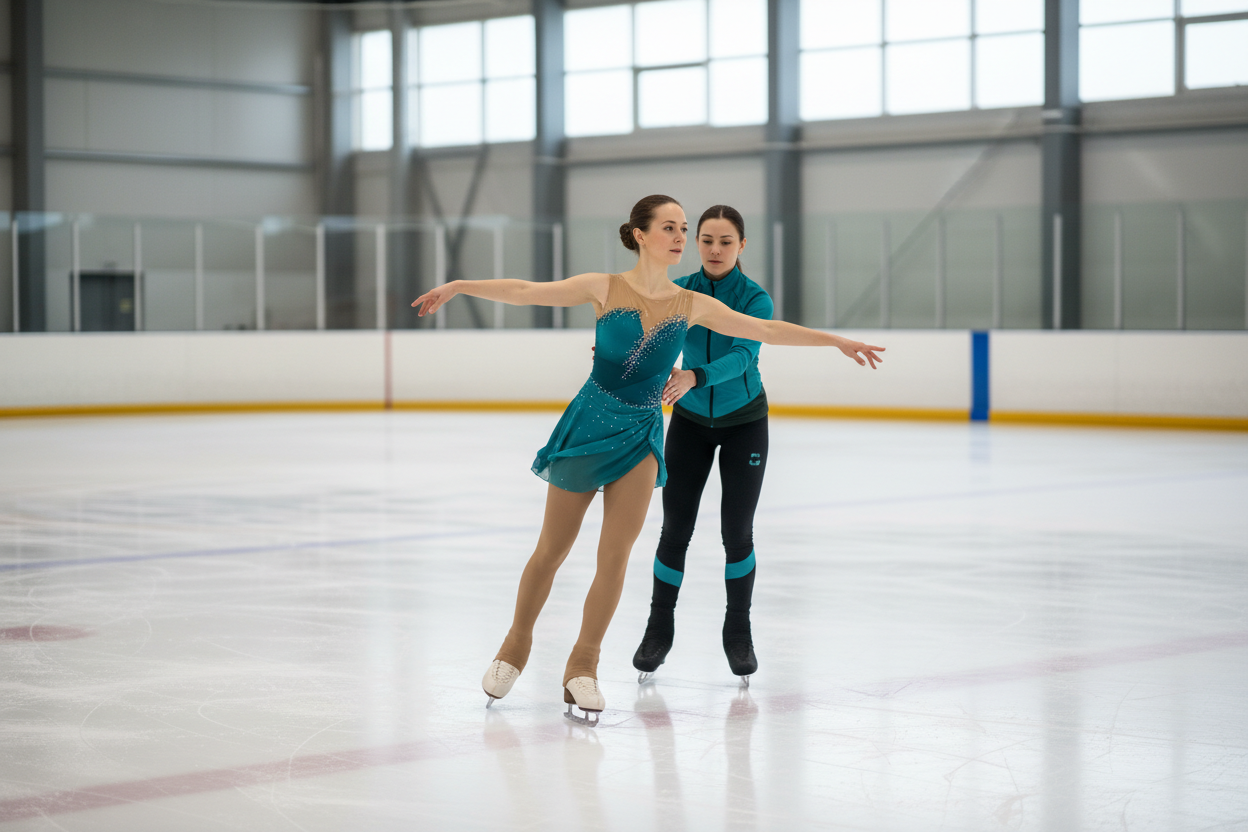
The Complete Guide to Adult Ice Skating Lessons: What to Expect, How to Progress, and the Gear You Need

Adult ice skating lessons are structured, beginner-friendly sessions for anyone 18 and older that focus on safety, balance, and steady skill-building. They’re designed to give you measurable fitness and confidence gains while keeping joint health and fall-prevention front of mind. This guide walks you through a first lesson, the gear that matters, practical ways to manage fear and joint concerns, and how curricula map progress so you can set realistic milestones. Many adults worry about falling, joint pain, or feeling self-conscious; clear falling techniques, realistic practice plans, and adult-focused class choices help you overcome those barriers. You’ll also find side-by-side skate comparisons, a benefits-to-outcomes mapping, and a curriculum table to plan milestones. Throughout, we keep helpful search terms—like “adult learn-to-skate classes,” “skate boot components,” and “curriculum levels”—in mind to make it easy to act on local lesson searches. Keep reading for step-by-step drills, equipment checklists, and practical tips to find lessons that match your goals.
What Should Adults Expect in Their First Ice Skating Lesson?
Your first adult lesson is an orientation plus an introduction to basic skills. Expect a short off-ice warm-up, a chance to get comfortable with rental skates, and instructor-led drills that focus on safer, low‑risk movements—marching, two-foot glides, and simple weight shifts. Those early, achievable steps build balance and reduce fear so you leave feeling steadier on the ice. Instructors structure the class to create quick wins and a clear path to the next level.
Before you lace up, it helps to know what to bring and what will happen during class so you can arrive relaxed and ready to learn. Below are the practical items and arrival expectations.
- Layered, comfortable clothing that allows movement and a pair of thick, moisture-wicking socks.
- Gloves to protect your hands, a face covering if the rink requires one, and photo ID for rentals/check-in.
- A willingness to start slow and follow instructor-led balance drills.
Being prepared speeds check-in and keeps your focus on learning. After rental fitting and a brief safety talk, most lessons move into balance drills, marching practice, and short two-foot glides—topics we cover next.
How Do Adult Ice Skating Classes Typically Progress?
Adult classes usually follow a scaffolded sequence: start with balance and marching, add early gliding and basic swizzles, then introduce stopping and weight transfer, and finally work on edge control and simple turns. Many programs package this into a 6– to 12‑week beginner block where each session builds on the last and repeats key drills to reinforce muscle memory. Instructors recommend practicing at least 1–2 short sessions per week—consistency helps unstable movements become automatic. Group lessons offer social support and peer modeling; private lessons speed progress by tailoring pace and corrections.
What Are Common Beginner Skills Taught in Adult Lessons?
Beginner adult lessons concentrate on a handful of foundational skills: getting up and down safely, marching, swizzles, two-foot glides, and basic stopping. Each skill trains a core mechanism—balance, weight transfer, or edge awareness—and instructors usually give a short drill for each. Examples include practicing rising-from-sit repetitions off-ice, marching while focusing on upright posture, and holding two-foot glides to build stability. Drills are intentionally short and frequent to boost confidence without overloading joints, and instructors often suggest off-ice exercises to complement on-ice time. Mastering these basics prepares you for stops and edge work in later levels.
Which Equipment Is Essential for Adult Beginner Ice Skaters?
For adult beginners the essentials are properly fitted skates, moisture-wicking socks, gloves, and optional protective gear like a helmet or wrist guards while you learn falling techniques. A good skate fit gives ankle support and foot stability, which helps balance and reduces joint strain during glides and weight shifts. Choosing a skate type—figure-style for stability and toe pick utility, recreational for comfort and a wider blade, or hockey-style for agility—depends on your goals, whether casual sessions or adult figure classes. Proper apparel and simple skate care also extend skate life and make practice more consistent.
| Skate Type | Fit & Support | Ideal Use |
|---|---|---|
| Figure-style | Tighter ankle support, toe pick included | Best for adult figure classes and learning balance/edges |
| Recreational | Softer boot, wider blade, more comfort | Ideal for casual sessions and intro learn-to-skate classes |
| Hockey-style | Lower cut, nimble support, no toe pick | Good for faster skating and adult hockey clinics |
This comparison highlights how boot design affects balance, support, and the skills you’ll learn most easily. Next, practical fit tips and maintenance advice.
How to Choose the Best Ice Skates for Adult Beginners?
As an adult, look for a snug heel lock, solid ankle support, and enough toe room for circulation without slipping—those fit cues cut blisters and protect joints. Rent skates at first to feel blade behavior and sizing; buy your own once you’re committed and you understand your foot shape. Basic maintenance—drying blades after use, using blade guards off the ice, and checking laces—keeps edges sharp and boots supportive, which improves learning consistency. Use a quick fit checklist: heel held firmly, no painful forefoot squeeze, and slight ankle compression for support—these signs lower the chance of pain and make balance drills work better.
What Safety Gear and Apparel Do Adults Need for Ice Skating?
Clothing and safety gear matter for comfort and injury prevention: layer breathable fabrics so you stay warm but mobile, wear thick socks to minimize friction, and bring gloves to protect hands during falls. Nervous beginners may prefer a fitted helmet, wrist guards, or knee pads while practicing falling techniques—those items reduce fear and let you practice more confidently. Avoid bulky boots under skates, choose socks that prevent slippage, and consider compression or joint sleeves if you have mild knee or ankle sensitivity. The right apparel removes distractions so you can focus on skill progression.
Before we move on to psychological and physical barriers, here’s a short gear checklist to bring to class.
- Skates (properly fitted) or confirmed rental arrangements in advance.
- Thick, moisture-wicking socks and layered, flexible clothing that allows knee and hip movement.
- Gloves and optional protective gear such as a helmet and wrist guards for nervous beginners.
Wearing the right gear lowers injury worry and supports longer, more productive practice sessions—helpful when tackling learning challenges.
| Item | Attribute | Value |
|---|---|---|
| Skate boot | Function | Ankle support and foot stabilization |
| Blade | Function | Glide control and edge engagement |
| Laces & padding | Function | Fit customization and comfort |
This quick table shows how boot, blade, and fit work together to affect on-ice performance and safety.
How Can Adults Overcome Challenges When Learning to Ice Skate?
Three common challenges for adult learners are fear of falling, joint or pain concerns, and dips in motivation or plateaus. Each responds well to specific training and mental strategies. Fear eases with safe falling practice, protective gear, and stepwise balance drills that build success. Joint worries are best managed by a low-impact progression, off-ice cross-training, and careful attention to skate fit and alignment. Motivation improves when you set short, measurable goals, practice with a buddy, and track progress—turning plateaus into focused practice opportunities. A systematic plan helps turn early discomfort into steady improvement and enjoyment.
Below are practical steps to structure a learning plan that addresses common barriers and keeps you moving forward.
- Start small: Give yourself a micro-goal each session—hold a two-foot glide for 5 seconds, for example.
- Practice safely: Use protective gear and rehearse falls on soft surfaces off-ice before trying them on the rink.
- Track progress: Record short videos, note small wins, and schedule regular instructor feedback.
These steps move from immediate safety to skill reinforcement and help sustain your practice. Next, practical falling techniques.
What Are Effective Techniques for Falling Safely on Ice?
Safe falling protects your head, avoids reaching out with straight arms, and uses controlled side or sit-down falls that distribute impact across the hips and outer thighs rather than wrists. Teachably, start by practicing controlled collapses on a soft surface off-ice: tuck your chin, bend your knees, and keep arms folded across your chest. Then transfer those mechanics to slow, supervised on-ice drills. To stand up safely, use the blade for stability—bring one knee under you, place hands on the ice beside the blade (not on the sharp edge), and push up while keeping blades perpendicular to movement. Repeating these steps lowers injury risk and reduces the intimidation factor for adult learners.
This section explains how structured practice and clear techniques help adults address their main concerns.
Adult Ice Skating Instruction: A Practical, Safety-First Path to Balance and Skill
Common concerns for adult beginners—fear of falling, joint discomfort, and self-consciousness—are addressed through explicit falling techniques, evidence-informed practice plans, and choosing adult-focused programs. Many adults take up skating for cardiovascular and overall well-being benefits. Effective teaching follows incremental progression that builds confidence and competence. Adult instruction typically uses structured modules for learners 18 and older, emphasizing safety, posture, and stepwise skill growth to produce measurable fitness and confidence gains.
I can't do it, yet: an autoethnographic exploration of a beginner ice skater, A Cairns, 2025
How Can Adults Build Confidence and Stay Motivated on the Ice?
Confidence comes from achievable milestones, celebrating small wins, and creating social accountability—practice with a buddy or join adult-only sessions to cut down self-consciousness. Useful tactics include short, frequent practices, recording brief videos to see real progress, and jotting down one improvement after each session. Joining an adult learn-to-skate class or informal practice group gives structure and peer encouragement. Reflecting on small gains turns frustration into visible progress and keeps you coming back.
What Are the Physical, Mental, and Social Benefits of Adult Ice Skating?
Ice skating improves cardiovascular fitness, strength, balance, and social connection—each through clear physiological or behavioral pathways. Skating recruits large muscle groups (quads, glutes, and core) for strength and sustained movement that raises heart rate for cardio benefits. Balance work improves proprioception and can reduce everyday fall risk. Mentally, regular structured activity lowers stress and boosts mood; learning new motor skills increases self-efficacy. Socially, classes and clubs build routine community that supports continued participation. Knowing how these mechanisms work clarifies why skating benefits overall adult health and helps you stay motivated.
- Cardiovascular: Short intervals of skating raise heart rate and support calorie burn.
- Strength & balance: Repeated glides and edge work develop leg strength and core stability.
- Social & mental: Regular classes reduce stress and create supportive peer networks.
This summary highlights the multiple ways skating supports health and leads into the fitness mechanisms shown next.
| Benefit Category | Mechanism | Result |
|---|---|---|
| Cardiovascular | Sustained moderate-intensity skating | Improved aerobic fitness and caloric burn |
| Muscular Strength | Repeated weight transfer and knee extension | Increased leg and core strength |
| Balance & Proprioception | Edge control drills and glides | Better stability and fall prevention |
This table links benefits to specific mechanisms and results so you can see how practice choices create health improvements. Next, how those fitness and social benefits play out in practical terms.
How Does Ice Skating Improve Physical Fitness for Adults?
Skating builds dynamic balance, one‑leg strength, and core stability by engaging the quads, hamstrings, glutes, and abdominals in coordinated movement patterns. Regular sessions that include interval-style drills—short bursts of effort followed by recovery—boost cardiovascular fitness and can burn calories similar to brisk walking or light jogging for the same time. Progressive edge training improves proprioception and reduces everyday fall risk, while the glide mechanics are lower impact on joints than running, making skating accessible for many adults. Aim for 1–3 sessions per week plus off-ice strength work to get the most benefit.
What Mental Health and Social Advantages Does Ice Skating Offer?
Skating helps mental health by offering structured activity that lowers stress hormones and lifts mood through endorphins. Mastering new skills increases confidence and self-efficacy. Group classes and adult-friendly sessions build social bonds, regular routines, and shared goals—factors tied to better exercise adherence and less isolation. An adult-only environment can reduce self-consciousness and let you focus on improving. These mental and social gains often amplify the physical benefits, making skating a well-rounded activity.
How Do Adult Ice Skating Curriculums and Skill Progressions Work?
Adult programs usually follow a leveled framework (often labeled Adult 1–6) that defines clear skill goals at each stage—starting with balance and gliding, progressing through stops and basic edges, and ending with turns and transitions that let you skate independently and safely. Progress is assessed with periodic skill checks or instructor evaluations, and adults move at a pace that respects age-related learning differences. Many adults advance a level every 6–12 weeks with regular practice; private lessons shorten that timeline by offering focused correction. The level-based format clarifies expectations and keeps motivation steady with achievable milestones.
| Adult Level | Typical Skills Taught | Suggested Drills / Timeframe |
|---|---|---|
| Adult 1 | Standing, marching, two-foot glide | Basic balance drills; 4–6 weeks |
| Adult 2 | Forward gliding, swizzles, snowplow stop | Glide holds and stop reps; 6–8 weeks |
| Adult 3 | Backward marching, one-foot glides, basic edges | Edge drills and balance progression; 8–12 weeks |
This level table pairs clear skill goals with practical drill timelines so you can plan training and set expectations. Next, tactics for tracking progress and setting goals.
What Are the Key Skill Levels in Adult Learn-to-Skate Programs?
Key adult skill levels generally move from beginner to intermediate: foundational balance and gliding (Levels 1–2), controlled stops and basic edge use (Level 3), then backward skating, crossovers, and simple turns in higher levels. Instructors adapt pace for adults, emphasizing repetition, clear feedback, and alignment cues that protect joints and speed motor learning. Assessments often require demonstrating a skill in class or during scheduled checks—these milestones help you and your instructor plan the next steps.
How Can Adults Track Their Progress and Set Goals on the Ice?
Track progress with a mix of objective checklists, short video recordings, and periodic instructor feedback to create a productive feedback loop. Keep a skills checklist tied to curriculum levels and record brief clips of key moves—two-foot glide, stop, edge ride—to compare week-to-week improvements and adjust drills. Set SMART micro-goals for each session (for example, “hold a two-foot glide for 8 seconds”) and reassess every 4–6 weeks to measure gains and refocus practice. Structured tracking turns feeling “stuck” into concrete next steps and sustained motivation.
Where and How Can Adults Find Ice Skating Lessons Near Them?
Search for lessons at local ice rinks, community recreation centers, adult learn-to-skate programs, and sport organizations that advertise adult sessions. Check rink schedules online, call facility front desks, or review program listings to find options. When evaluating programs, prioritize adult-only sessions, instructors who work with adults, small class sizes, and rental skate availability to ensure a supportive learning environment. Costs vary by region and format (group vs. private), so compare packages and membership deals; many rinks also offer drop-in practice sessions that pair well with lessons. Knowing what to ask speeds up finding a program that fits your schedule and goals.
Ask these focused questions before you enroll:
- Do you offer adult-only sessions, and what is the typical class size?
- What are the instructors’ credentials and experience teaching adults?
- Are rental skates available, and do you provide fitting assistance?
Those questions help you filter options quickly. Next, cost considerations to keep in mind.
What Should Adults Look for When Choosing a Lesson Program or Instructor?
Choose programs that advertise adult-focused instruction, small class sizes for personalized feedback, and instructors experienced with adult learning styles—these factors support safety and speed progress. Confirm the rink’s safety procedures, rental fitting support, and whether classes follow a recognized curriculum for consistent skill sequencing. Watch for red flags like overly large classes, instructors without a clear progression plan, or facilities that don’t offer basic rental fitting. Prioritize programs with structured level descriptions and reassessment opportunities to get the most from your time.
How Much Do Adult Ice Skating Lessons Typically Cost?
Lesson costs depend on location and format: group adult classes are usually the most affordable, and buying multi-session packages lowers the per-class price. Private lessons cost more per hour but produce faster, tailored results. Cost drivers include rink rental fees, instructor experience, class length, and whether skate rental is included. To save money, consider multi-week packages, off-peak sessions, community recreation programs, or a blend of group plus occasional private lessons. Understanding these factors helps you budget for lessons and any gear or protective equipment you’ll want.
- Group lessons are generally cheaper per session and offer peer support and modeling.
- Private lessons provide focused correction and quicker technical gains at a higher price.
- Package deals and memberships often reduce the effective cost per lesson and encourage regular attendance.
Pick the format that matches your budget and goals so you can progress steadily without overspending.
Frequently Asked Questions
What are the best practices for warming up before ice skating lessons?
Warming up before ice skating is essential to prepare your body and prevent injuries. A good warm-up should include dynamic stretches that target the legs, hips, and core. Simple exercises like leg swings, arm circles, and light jogging can increase blood flow and flexibility. Additionally, consider doing off-ice balance drills to engage your core and improve stability. Aim for a 5-10 minute warm-up routine before stepping onto the ice to enhance your performance and reduce the risk of strains or sprains.
How can adults manage anxiety about falling while ice skating?
Managing anxiety about falling is crucial for adult learners. Start by practicing safe falling techniques off the ice to build confidence. Wearing protective gear, such as helmets and wrist guards, can also alleviate fears. Gradually expose yourself to the ice environment by starting with balance drills and low-risk movements. Additionally, consider practicing with a supportive friend or instructor who can provide encouragement. Remember, everyone falls, and learning to fall safely is part of the process, helping you feel more secure on the ice.
Are there specific ice skating drills that can help improve balance for beginners?
Yes, several drills can enhance balance for beginner ice skaters. One effective drill is the "one-foot glide," where you practice gliding on one foot while keeping the other foot raised. Another is the "marching drill," which involves lifting your knees high while skating to engage your core and improve stability. Additionally, practicing transitions between forward and backward skating can help develop balance. Consistent practice of these drills will strengthen your core and improve your overall skating stability.
What should adults do if they experience joint pain while ice skating?
If you experience joint pain while ice skating, it's important to address it promptly. First, assess your skate fit; improper fitting can lead to discomfort. Consider using joint supports or compression sleeves for added stability. Take breaks during practice to avoid overexertion, and incorporate off-ice strength training to build muscle around the joints. If pain persists, consult a healthcare professional for personalized advice. Listening to your body and adjusting your practice routine can help prevent further injury and ensure a more enjoyable experience.
How can adults find a supportive ice skating community?
Finding a supportive ice skating community can enhance your learning experience. Start by joining local adult skating classes or clubs that focus on adult learners. Many rinks offer social skating events or practice sessions specifically for adults, providing opportunities to meet fellow skaters. Online forums and social media groups dedicated to adult skating can also connect you with others who share your interests. Engaging with a community not only fosters motivation but also creates a sense of belonging, making your skating journey more enjoyable.
What are some common misconceptions about adult ice skating lessons?
Common misconceptions about adult ice skating lessons include the belief that it's too late to start or that adults can't learn as quickly as children. In reality, adults often bring a strong sense of determination and focus, which can accelerate learning. Another misconception is that adult classes are only for those who want to compete; many programs cater to recreational skaters looking to improve their skills and enjoy the activity. Understanding these truths can help adults feel more confident in pursuing ice skating lessons.


