
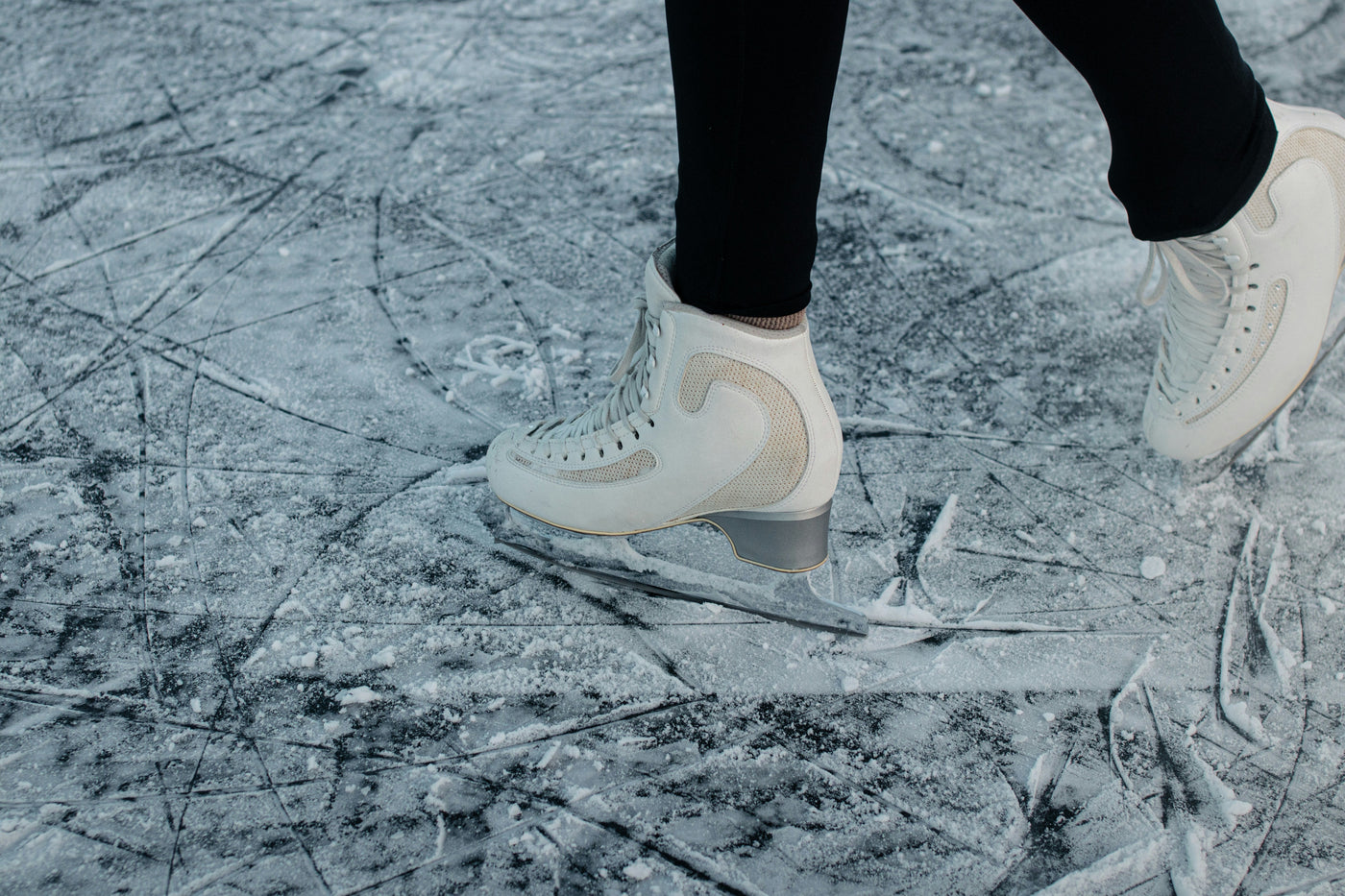
Learn to Ice Skate: The Complete, Beginner-Friendly Guide to Lessons and Progress
Ice skating lessons show you how to move on the ice safely and efficiently by combining balance and posture coaching with basic edge work, stopping techniques, and progressive practice drills. This guide walks beginners, adults, parents, and athletes through how organized lessons are structured, what to expect from common curricula like Learn to Skate USA, and practical steps for choosing skates, picking lesson formats, and designing practice plans that speed learning. New skaters often worry about falling, picking the right type of skate, or how long it takes to feel confident; clear timelines, safety tips, and simple equipment checklists here answer those concerns. You’ll find an overview of curriculum structure, beginner fundamentals, skate-selection advice, lesson benefits, local search and booking tips, and a straightforward comparison of private versus group lessons. Read on for step-by-step drills, quick comparison tables, and tips for finding “ice skating lessons near me.” By the end you’ll have realistic timelines for core skills, know how to choose between figure and hockey skates, and understand how to blend group classes with private coaching for steady progress.
What Are Ice Skating Lessons and Who Are They For?
Ice skating lessons are organized sessions that teach core skating skills and safe practice habits using a step-by-step curriculum. Instructors sequence balance drills, edge work, stride mechanics, and stopping techniques so learners build coordination and confidence one skill at a time. Well-run lessons produce measurable outcomes: better balance, a basic forward glide, and introductory stopping and turning—enough to skate safely during public sessions or continue into sport-specific training. Knowing what lessons cover helps you choose between recreational classes, focused clinics, and sport-focused training. The sections that follow break down common lesson formats and who benefits most from each.
What Types of Ice Skating Lessons Are Available?
Lessons come in several formats depending on your goals: group classes for social learning and steady progress, private coaching for faster, personalized improvement, and specialty clinics for focused technical work. Group lessons usually follow a standard curriculum and suit both kids and adults who thrive with peer motivation and predictable progression. Private lessons provide one-on-one feedback, quicker correction, and a tailored practice plan—good for skaters working toward tests or competitions. Clinics and workshops concentrate on single skills like jumps, spins, hockey edges, or speed work and are perfect for targeted improvements. Many skaters start in groups and add private sessions as needed to balance cost and progress.
- Group lessons offer structured progression and peer support that encourage regular attendance and steady skill gains.
- Private lessons deliver targeted corrections and faster learning for skaters with specific goals or rapid advancement.
- Clinics and specialty workshops focus on narrow technical skills—stopping, turning, or jump prep—to accelerate improvement.
Group classes are efficient for building the basics; private coaching becomes more useful as goals get specific and technical. The next section explains how age and ability match to lesson formats.
Which Age Groups and Skill Levels Can Join Ice Skating Classes?
Lessons serve a wide range of ages—from toddlers in introductory balance programs to adults learning for fitness or fun, and young athletes training for figure or hockey competition. Absolute beginners of any age start with stance, marching strides, and safe falling-and-recovery techniques that reduce fear and increase time on the ice. Intermediate classes emphasize edges, turning, and stopping; advanced pathways focus on spins, jumps, and complex edge work. Safety considerations include helmet use for very young learners and instructor-to-student ratios that ensure proper supervision for beginner groups.
- Toddlers and young children do best with short, game-like sessions that build balance and comfort on the ice.
- Teens and adults can start anytime; adult classes use age-appropriate drills and pacing to address fear and confidence.
- Aspiring competitive skaters follow more frequent schedules that mix group curriculum with private coaching for refinement.
Age and skill level determine recommended session length, class size, and practice frequency; the next section gives realistic timelines for core skills.
How Long Does It Take to Learn to Ice Skate?
The time to learn depends on your goals, how often you practice, the quality of instruction, and prior balance experience, but core milestones follow a predictable pattern when lessons and practice are consistent. Most beginners can stand stably and achieve a basic forward glide within a few supervised sessions because early drills focus on balance and weight transfer. Stopping and controlled turning typically develop across several group lessons or a few private sessions as skaters refine edges and braking technique. Short, focused practice two to three times a week accelerates progress and helps motor patterns stick.
Below is a compact timeline that sets expectations for common core skills and practice frequency.
| Skill | Typical Timeframe for Competency | Practice Frequency Needed |
|---|---|---|
| Standing & Forward Glide | 1–4 sessions | 1–2 short sessions per week |
| Basic Stopping (snowplow/T-stop) | 4–8 sessions | 2 sessions per week with drills |
| Crossovers & Turning | 8–20 sessions | 2–3 sessions per week |
| Comfortable Public Skating | 6–12 weeks | Weekly lessons + practice sessions |
| Test-level Skills / Jump Basics | 3+ months | Regular lessons + private coaching |
This timeline gives a realistic sense of "how long does it take to learn to ice skate" and shows that steady, deliberate practice produces the most reliable gains. The next section describes the foundational skills taught in early lessons.
What Are the Basic Skills Taught in Beginner Ice Skating Lessons?
Beginner lessons focus on four core areas: balance and stance, forward-stride mechanics, safe falling and recovery, and basic stopping. Instructors teach a stable athletic stance—aligned hips, knees, and ankles—to speed balance learning and reduce reliance on visual cues. Forward glides and marching strides introduce weight transfer and blade contact, while stopping methods like the snowplow or T-stop give learners essential safety tools. Each drill progresses in small steps and includes practice tips—short, repeated runs, emphasis on knee bend, and edge awareness—to build muscle memory.
- Balance and stance drills emphasize center-of-mass control and knee flexion to stabilize the skater.
- Forward glide practice focuses on relaxed, longer strides with head-up posture for efficient movement.
- Stopping drills start with wedge or snowplow stops and move toward T-stops as balance improves.
Mastering these basics creates the foundation for edges, turns, and more advanced moves. The next section explains how lesson progression typically works.
How Does Skill Progression Work in Ice Skating Lessons?
Progression in organized lessons is milestone-based: coaches use checklists or level tests to mark readiness for the next skills and keep instruction objective. Curricula like Learn to Skate USA sequence skills from basic balance to crossovers, edges, and introductory jumps or hockey maneuvers, letting coaches assess and certify competency at each step. How quickly you advance depends on practice and individual learning rate, but many programs offer skill checks every few months so learners set clear short-term goals. Regular feedback, video review, and periodic assessments help skaters and coaches align practice plans with desired outcomes—whether recreational competence or competitive readiness.
- Milestone checklists clarify expectations and remove ambiguity about what’s needed to advance.
- Frequent, short practice sessions reinforce motor patterns between lessons and speed progression.
- Combining group instruction with occasional private lessons provides assessment and targeted correction to accelerate advancement.
These progression practices tie directly into equipment choices, which affect comfort and skill development early on; the next section explains how to pick skates.
How to Choose the Right Ice Skates for Your Lessons?

The right skates affect comfort, ankle support, and how quickly you develop technique because boot fit and blade type influence balance and edge control. Figure, hockey, and recreational skates each offer different support and blade profiles suited to specific lessons and goals. A proper fit means a snug heel, secure ankle lock, and minimal extra toe room to prevent unwanted foot movement that blurs edge feel. Rent if you’re trying skating out; buy once you’re committed and can get a professional fit—personal skates reduce blisters and improve control as skills advance.
Use this comparison to match skate types to your lesson goals and decide whether to rent or buy.
| Skate Type | Fit & Support | Ideal For | Price Range / Rental Availability |
|---|---|---|---|
| Figure Skates | Close ankle support with a toe pick | Figure lessons, jumps, spins | Mid–high; commonly available to rent |
| Hockey Skates | Stiffer boot, flatter blade for agility | Hockey lessons and quick turns | Mid; rental fleets common at rinks |
| Recreational Skates | Softer support, comfort-focused | Casual lessons and public skating | Lower; easy rental options |
This comparison shows how skate design supports lesson outcomes and why a proper fit speeds learning. The next sections cover technical differences and when to rent versus buy.
What Are the Differences Between Figure Skates and Hockey Skates?
Figure skates have a toe pick and a longer blade rocker that helps with jump takeoff and precise edge control. Hockey skates use a shorter, flatter blade for quick acceleration and tight turns. Figure boots tend to be taller around the ankle with more flex for jump landings and aesthetic positions; hockey boots are stiffer to support aggressive lateral movement and quick direction changes. If your lessons focus on figure technique, spins, or jumps, figure skates aid edge precision. For hockey-style lessons centered on speed and tight crossovers, hockey skates offer better maneuverability. Picking the right skate prevents developing compensatory movement patterns.
- Figure skates work well for technical edge work, spins, and jumps because of the toe pick and blade shape.
- Hockey skates support explosive starts, tight turns, and agility needed in hockey lessons.
- Recreational skates prioritize comfort and are the most forgiving for casual learners.
Knowing these differences helps you match skates to your lesson goals. The next section explains when to rent or buy.
Should You Rent or Buy Ice Skates for Lessons?
Rent during the first few lessons to test comfort and commitment—rental skates let you jump in without an upfront purchase or fit research. Buy once lessons become regular—often after several weeks or once you move beyond basic skills—because a properly fitted pair improves control, comfort, and reduces blisters. When buying, get a professional fitting that checks heel lock, ankle support, and blade alignment; only buy used if the boot condition and sizing are verified. Consider upgrading when you reach milestones like consistent crossovers, refined edges, or jump preparation—at that point fitted skates become a real performance benefit.
- Rent to test comfort and commitment with minimal cost.
- Buy when training frequency and skill needs make fit and performance important.
- Get a professional fitting and match boot stiffness to your discipline.
Buying at the right time minimizes setbacks and supports steady progress into more advanced lesson content, which connects to the fitness and coordination benefits covered next.
What Are the Benefits of Taking Ice Skating Lessons?
Lessons offer physical, motor-skill, and social benefits by combining cardio exercise with balance and strength work in a structured setting. Skating builds lower-body strength, core stability, and proprioception while providing calorie-burning aerobic work with lower joint impact than running. From a coordination standpoint, skating sharpens bilateral movement patterns that help other sports and daily activities. Socially, group lessons and rink communities create accountability, shared goals, and chances to perform or play on teams—making lessons appealing for fitness, skill development, and social connection.
The mix of balance training and aerobic activity delivers clear fitness gains and a motivating, social environment that keeps many recreational skaters engaged. The next sections outline specific fitness outcomes and social opportunities lessons create.
How Does Ice Skating Improve Fitness and Coordination?
Skating challenges balance by engaging the vestibular system and proprioception through edge work and single-leg weight transfer, strengthening stabilizers around the ankle, knee, and hip. Core muscles stay engaged during strides and turns, improving posture and functional strength useful in other sports. Cardiovascular gains come from continuous skating or drill-based workouts; interval-style drills raise heart rate efficiently while staying low-impact. Together these effects make skating a well-rounded fitness activity that builds endurance, strength, and refined motor control.
- Edge drills and single-leg glides enhance balance and proprioception by training stabilizer muscles.
- Repeated skating strides build lower-body strength in quads, glutes, and calves.
- Cardio and interval drills increase endurance and can be adjusted to fitness goals in lessons.
Better coordination and fitness make moving through lesson levels easier and reduce injury risk, which leads naturally to more social and recreational opportunities described next.
What Social and Recreational Opportunities Do Lessons Offer?
Group lessons and rink communities create social ties through shared progress, exhibitions, and events like hockey scrimmages or ice shows that provide clear milestones and motivation. Beginner groups often form peer bonds that encourage regular attendance and practicing outside formal lessons, while family-friendly programming enables multi-generational participation. For skaters pursuing tests or competitions, lessons open pathways to performances and showcases that deepen engagement. These social structures amplify the personal benefits of exercise by adding accountability, fun, and public rewards for progress.
- Group lessons build friendships and a community that supports continued practice and goal-setting.
- Performance and exhibition opportunities give learners concrete goals and public milestones.
- Family and multi-level classes make skating a shared recreational activity.
Social engagement boosts the fitness and skill benefits of lessons and also shapes how learners look for local options, which the next section covers.
Where and How Can You Find Ice Skating Lessons Near You?
Finding lessons combines focused searches, program vetting, and awareness of modern booking features like mobile scheduling and digital waivers. Start with search phrases that include your location—“ice skating lessons near me,” “adult ice skating lessons,” or the discipline you want (figure, hockey)—then evaluate providers by curriculum, coach credentials, and class size. Look for rinks that offer skate rental, a progressive curriculum tied to organizations like Learn to Skate USA or U.S. Figure Skating, and digital-first booking to simplify scheduling. Local options range from community rinks to private academies; recognized program names can help surface trusted providers in many areas.
When you contact rinks, ask about curriculum alignment, instructor-to-student ratios, and rental fleets so your first lessons prioritize safety and progressive learning. The next subsections give search tactics and explain booking and membership options.
How to Find Local Ice Rinks and Skating Schools?
Start with precise queries and a short checklist to evaluate providers: confirm curriculum alignment, coach credentials, safety procedures, rental gear, and schedule fit. Use search terms like “beginner ice skating lessons near me,” “adult figure skating classes,” or “hockey skating lessons near me” and filter results by provider type—community rink, university rec center, or private academy. Ask whether the program follows a recognized curriculum (for example, Learn to Skate USA) and verify class sizes and coach experience for beginners. Compare curricula and class structure across local options to find the best match.
- Use specific search phrases that include age group or discipline to narrow results quickly.
- Confirm curriculum standards and instructor-to-student ratios before registering.
- Verify rental skate availability and beginner-friendly session times for accessibility.
These steps help you shortlist suitable programs and prepare to evaluate booking and membership models next.
What Are the Options for Online Booking and Memberships?
Rinks and programs now offer flexible models: single-class bookings, multi-class packs, subscription memberships, and seasonal enrollments to suit different schedules and commitment levels. Digital waivers, mobile booking, and scheduling apps simplify registration and reduce paperwork. Memberships often include cost savings, early access to popular class times, and discounted skate rental—useful for frequent attendees. When comparing providers, weigh class packs or memberships against how often you plan to skate and make sure the booking flow fits your routine.
- Single-class bookings are good for casual learners or trying a first lesson without commitment.
- Class packs or subscriptions lower the per-class cost for regular attendees and simplify recurring bookings.
- Digital waivers and mobile scheduling speed registration and improve the user experience.
Understanding booking options and membership perks helps you choose the right mix of lesson formats, which is the focus of the final section.
Private vs. Group Ice Skating Lessons: Which Is Right for You?
Private lessons deliver individualized instruction, rapid feedback, and customized practice plans—ideal for skaters with specific performance goals or those preparing for tests and competitions. Group lessons offer peer motivation, a structured curriculum, and a lower per-lesson cost that works well for beginners, social learners, and families. A hybrid approach—regular group classes with occasional private sessions—often gives the best balance of cost and progress: groups build fundamentals while privates fix technique and speed milestones. The table below helps you choose based on goals, budget, and desired pace.
| Lesson Format | Class Size | Cost Range | Pace & Coach Attention |
|---|---|---|---|
| Private | 1:1 | Higher cost | Fast-paced, individualized feedback |
| Group | 6–12+ | Lower per-person cost | Standardized pacing with peer support |
| Clinic | Small groups | Mid cost | Focused skill improvement in a short time |
Match your goal—recreation, fitness, or competitive development—to the format that gives the right mix of personalization and value. The following subsections explain the advantages of private coaching and the strengths of group lessons.
What Are the Advantages of Private Ice Skating Coaching?
Private coaching speeds learning by isolating technical faults and designing drills to correct them, which leads to quicker skill gains. One-on-one time lets coaches give immediate feedback, adjust blade work and posture in real time, and set short-term goals for test elements or competition prep. Private lessons are especially helpful for skaters rehabbing from injury or adults working through fear with a tailored pace and encouragement. For anyone aiming to progress rapidly, private coaching improves repetition quality and shortens the path to complex skills.
- Private lessons provide tailored drills and immediate corrections that prevent bad habits early.
- They support focused goals like test prep, choreography, or jump mechanics.
- Personalized pacing helps adults and nervous beginners build confidence without peer pressure.
Private coaching works best when paired with regular practice and occasional group sessions so new skills can be applied in social settings. The next section explains how group lessons complement private work.
How Do Group Lessons Enhance Learning and Social Interaction?
Group lessons use peer learning, standardized curricula, and consistent pacing to build skills cost-effectively while creating community and motivation. Learners gain from watching others, doing partner drills, and receiving curriculum-aligned feedback that establishes a predictable progression. Groups also reduce intimidation for adults new to skating by normalizing mistakes and encouraging shared goals. Combined with periodic private lessons, group formats provide a social training environment that supports long-term retention and enjoyment.
- Peer observation and group drills create learning moments that complement individualized feedback.
- Standardized curricula help instructors manage progression and set clear expectations.
- Community and social reinforcement increase practice consistency and overall enjoyment of skating.
Choosing the right blend of private and group lessons aligns instruction intensity with your budget and personal goals, giving you a practical plan to learn and enjoy skating.
Conclusion
Embarking on ice skating lessons offers a unique blend of physical fitness, skill development, and social engagement, making it an enriching experience for all ages. By understanding the various lesson formats, selecting the right skates, and committing to consistent practice, you can achieve your skating goals more effectively. Whether you choose group classes for camaraderie or private lessons for personalized attention, each path leads to improved balance, coordination, and confidence on the ice. Start your journey today by exploring local ice skating programs that fit your needs and schedule.


